
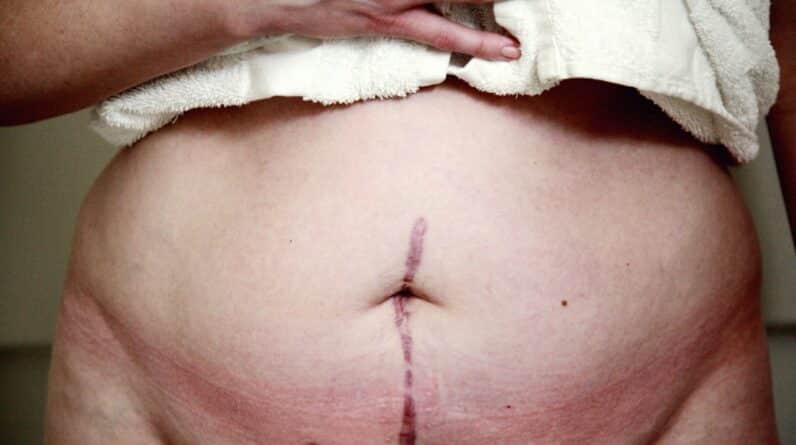
You’ve embarked on the journey to reduce abdominal fat, a goal often motivated by aesthetic desires as well as concerns for long-term health. This article will guide you through the strategic integration of cardiovascular exercise to accelerate your progress, moving beyond the common misconception that spot reduction is achievable. Instead, you’ll learn how to leverage cardio as a powerful catalyst within a holistic fat loss regimen, impacting your overall body composition and, consequently, your midsection.
Before you can effectively tackle abdominal fat, you must understand its nature and the implications it holds for your well-being. This is not merely about how your clothes fit; it’s about a deeper biological reality.
Two Types of Abdominal Fat: Subcutaneous and Visceral
You encounter two primary classifications of fat around your midsection:
- Subcutaneous Fat: This is the fat directly beneath your skin, the kind you can pinch. While it can contribute to a larger waistline, its health risks are generally considered less severe than those associated with visceral fat. Its presence is often a cosmetic concern, but its reduction is still a component of overall fat loss.
- Visceral Fat: This more dangerous type of fat is located deeper within your abdominal cavity, surrounding your vital organs such as the liver, pancreas, and intestines. Its metabolic activity is significantly higher than subcutaneous fat, releasing inflammatory markers and hormones that can disrupt your body’s normal functions. You cannot directly see or pinch visceral fat, but its presence is a strong indicator of increased health risks.
Health Implications of Excess Abdominal Fat
The accumulation of excess abdominal fat, particularly visceral fat, is not benign. Its presence is a strong indicator of underlying metabolic dysfunction and an elevated risk for various chronic diseases.
- Increased Risk of Metabolic Syndrome: This cluster of conditions includes high blood pressure, high blood sugar, excess body fat around the waist, and abnormal cholesterol or triglyceride levels. You are acutely aware that these conditions collectively elevate your risk for heart disease, stroke, and type 2 diabetes.
- Cardiovascular Disease: Visceral fat releases free fatty acids into the portal vein that goes directly to the liver, impacting lipid metabolism and leading to increased production of pro-inflammatory cytokines. This contributes to atherosclerosis, the hardening and narrowing of your arteries, making you more susceptible to heart attacks and strokes.
- Type 2 Diabetes: The chronic inflammation and insulin resistance caused by visceral fat disrupt your body’s ability to efficiently use insulin, leading to elevated blood sugar levels. You understand that this is a direct pathway to type 2 diabetes.
- Certain Cancers: Emerging research suggests a correlation between high levels of visceral fat and an increased risk of developing certain cancers, including colorectal, pancreatic, and breast cancer. This further underscores the importance of managing your abdominal fat.
- Inflammation and Hormonal Imbalance: Visceral fat acts as an endocrine organ, producing adipokines, a group of cell-signaling proteins that can promote systemic inflammation and disrupt hormonal balance. This can manifest in a variety of ways, negatively impacting your overall health and resilience.
For those looking to enhance their abdominal fat loss progress through cardio, it’s also important to consider the supplements you might be using during your workouts. A related article discusses the safety of pre-workout supplements for women, which can play a significant role in optimizing energy levels and performance. You can read more about this topic in the article Is It Safe to Use Pre-Workout for Women?. Incorporating the right supplements alongside your cardio routine may help you achieve faster results in your fitness journey.
The Role of Calorie Deficit in Fat Loss
Your primary driver for any form of fat loss, including abdominal fat reduction, is the creation of a sustained calorie deficit. This fundamental principle acts as the engine of your fat loss journey.
Understanding Energy Balance
You operate under the principle of energy balance: weight gain occurs when your caloric intake exceeds your caloric expenditure, and weight loss occurs when your expenditure surpasses your intake. Your total daily energy expenditure (TDEE) is a sum of several components:
- Basal Metabolic Rate (BMR): The energy your body burns at rest to maintain vital functions.
- Thermic Effect of Food (TEF): The energy expended to digest, absorb, and metabolize food.
- Non-Exercise Activity Thermogenesis (NEAT): Energy expended through daily activities not considered structured exercise (e.g., walking, fidgeting).
- Exercise Activity Thermogenesis (EAT): Energy expended through planned physical activity.
To achieve a calorie deficit, you must either reduce your caloric intake, increase your caloric expenditure, or, most effectively, combine both approaches.
Calculating Your Calorie Deficit
You will need to estimate your TDEE and then subtract a specific number of calories to create a deficit. A commonly recommended deficit for sustainable fat loss is 500-750 calories per day, aiming for a loss of 1-1.5 pounds of fat per week. Remember that 3,500 calories equate to approximately one pound of fat.
- Utilizing Online Calculators: You can find numerous online calculators that estimate your TDEE based on your age, sex, weight, height, and activity level. These serve as a helpful starting point.
- Tracking Your Intake and Expenditure: To refine your understanding, you may benefit from tracking your food intake using an app or journal and monitoring your exercise output. This provides valuable data for adjusting your approach.
- Patience and Consistency: Creating a deficit is not a sprint; it’s a marathon. You must maintain consistency for several weeks or months to see meaningful results. Fluctuations in daily weight are normal and should not deter you from your long-term goal.
The Power of Cardio in Abdominal Fat Loss
While a calorie deficit is the foundation, cardiovascular exercise acts as a powerful accelerator, amplifying your fat loss efforts and influencing abdominal fat more specifically. It’s not a magic bullet for spot reduction, but rather a robust tool for overall body fat reduction.
How Cardio Contributes to Overall Fat Loss
Cardio directly impacts two key areas that contribute to fat loss:
- Increased Caloric Expenditure: High-intensity or prolonged moderate-intensity cardio sessions significantly increase your daily calorie burn. This makes it easier for you to achieve and sustain a calorie deficit without drastic dietary restrictions. You can think of cardio as a booster shot for your metabolic furnace, increasing its fuel consumption.
- Improved Metabolic Health: Regular cardiovascular exercise enhances insulin sensitivity, meaning your body becomes more efficient at utilizing glucose for energy and storing less of it as fat. This is particularly beneficial for reducing visceral fat, which is closely linked to insulin resistance.
Specific Mechanisms for Abdominal Fat Reduction
Beyond general fat loss, cardio exhibits particular efficacy in reducing abdominal fat through several physiological pathways:
- Direct Fat Oxidation: During cardio, especially at moderate intensities, your body increasingly relies on fat as a fuel source. While fat is mobilized from all over your body, including your abdominal region, this sustained fat burning contributes to a systemic reduction.
- Reduction of Visceral Fat: Studies consistently show that consistent cardio, even without significant weight loss, can lead to a preferential reduction in visceral fat. This is attributed to its impact on metabolic functions, including improved insulin sensitivity and reduced inflammatory markers. You are, in essence, directly targeting the unhealthy fat that surrounds your organs.
- Hormonal Regulation: Regular exercise, including cardio, helps regulate stress hormones like cortisol. Elevated cortisol levels are often associated with increased visceral fat storage. By mitigating chronic stress through activity, you indirectly reduce a key driver of abdominal fat accumulation.
Incorporating Cardio into Your Routine
To maximize your abdominal fat loss progress, you need a strategic approach to integrating cardio into your fitness regimen. This means considering intensity, duration, frequency, and varying modalities.
Types of Cardio and Their Benefits
You have a broad spectrum of cardiovascular activities at your disposal, each offering distinct advantages:
- Moderate-Intensity Steady-State (MISS) Cardio:
- Description: This involves maintaining a consistent, moderate effort for an extended period (e.g., brisk walking, jogging, cycling, swimming). You should be able to hold a conversation but not sing.
- Benefits: Excellent for improving cardiovascular endurance, promoting sustained fat oxidation, and accessible to most fitness levels. It’s a foundational element for building a base level of fitness.
- Examples: A 45-minute brisk walk, 30 minutes on an elliptical machine, or a steady swim.
- High-Intensity Interval Training (HIIT):
- Description: Alternating short bursts of maximum effort with brief periods of recovery. This could be 30 seconds of sprinting followed by 60 seconds of walking, repeated.
- Benefits: Highly effective for calorie burning in a shorter amount of time, boosts post-exercise oxygen consumption (EPOC, or the “afterburn effect”), and significantly improves cardiovascular fitness. Its intensity makes it a potent weapon against fat.
- Examples: Sprinting intervals, Tabata protocols, or intense bursts on a stationary bike or rower.
- Low-Intensity Steady-State (LISS) Cardio:
- Description: Gentle, prolonged activity at a lower heart rate (e.g., leisurely walking, light cycling).
- Benefits: Promotes recovery, reduces stress, and is highly sustainable for daily activity. While less impactful on acute calorie burn than HIIT, its cumulative effect on NEAT and overall activity is significant.
- Examples: A long walk in nature, a leisurely bike ride with family.
Designing Your Cardio Schedule
Your cardio schedule should be dynamic, adapting to your fitness level, goals, and recovery needs. A common recommendation is 150-300 minutes of moderate-intensity cardio per week, or 75-150 minutes of vigorous-intensity cardio.
- Frequency: Aim for at least 3-5 cardio sessions per week. Distributing these sessions throughout the week can optimize recovery and consistency.
- Duration: For moderate intensity, aim for 30-60 minutes per session. For HIIT, sessions can be shorter, often 15-30 minutes, due to their intensity.
- Intensity: Use your perceived exertion (RPE) or heart rate zones to gauge intensity. For moderate, you should be at 60-70% of your maximum heart rate. For vigorous, 70-85%. You can visualize this as a scale from 1 to 10, where moderate is a 5-6 and vigorous is a 7-8.
- Variety: Rotate between different types of cardio to prevent plateaus, engage different muscle groups, and maintain motivation. For example, you might do two HIIT sessions, two MISS sessions, and incorporate daily LISS.
- Progressive Overload: Just like with strength training, you need to progressively challenge yourself with cardio. This means gradually increasing duration, intensity, or frequency over time. You are constantly seeking to push your limits, albeit safely.
In the journey towards achieving abdominal fat loss, incorporating cardio can significantly enhance your results, as discussed in the article on Abdominal Fat Loss Progress: Incorporating Cardio for Faster Results. To complement your efforts, you might also find it beneficial to explore stress-reducing techniques that can further support your fitness goals. For more insights on this topic, check out the article on stress-reducing techniques which offers valuable strategies to help manage stress and improve overall well-being.
Complementary Strategies for Optimal Results
| Week | Cardio Duration (minutes/day) | Abdominal Fat Loss (%) | Weight Loss (lbs) | Waist Circumference Reduction (inches) | Notes |
|---|---|---|---|---|---|
| 1 | 20 | 1.2 | 1.5 | 0.5 | Started moderate-intensity cardio |
| 2 | 25 | 2.5 | 3.0 | 1.0 | Increased cardio duration, consistent diet |
| 3 | 30 | 3.8 | 4.5 | 1.5 | Added interval training for higher intensity |
| 4 | 35 | 5.0 | 6.0 | 2.0 | Maintained cardio and strength training |
| 5 | 40 | 6.3 | 7.5 | 2.5 | Increased cardio intensity, improved diet |
| 6 | 45 | 7.5 | 9.0 | 3.0 | Consistent cardio and calorie deficit |
While cardio is a powerful tool, it’s most effective when integrated into a broader, holistic approach to health and fat loss. You cannot isolate one variable and expect miraculous results.
Nutrition: The Cornerstone of Fat Loss
You already understand that “you can’t outrun a bad diet.” Nutrition is the single most critical factor in achieving and sustaining a calorie deficit.
- Whole, Unprocessed Foods: Prioritize nutrient-dense foods: lean proteins, complex carbohydrates (vegetables, fruits, whole grains), and healthy fats. These foods provide satiety, essential nutrients, and minimize calorie density.
- Protein Intake: Ensure adequate protein intake (1.6-2.2 grams per kilogram of body weight). Protein is crucial for preserving muscle mass during a deficit, enhancing satiety, and having a higher thermic effect than carbohydrates or fats.
- Fiber-Rich Foods: Dietary fiber promotes fullness, aids digestion, and helps regulate blood sugar levels. You’ll find it abundantly in fruits, vegetables, legumes, and whole grains.
- Hydration: Drink plenty of water. It supports metabolic processes, helps manage hunger, and is essential for overall health. You can think of water as the lubricant for your internal machinery.
- Mindful Eating: Pay attention to your hunger and fullness cues. Avoid distractions while eating. This practice helps prevent overeating and fosters a healthier relationship with food.
Strength Training: Building the Metabolic Engine
Resistance training is not merely for aesthetics; it’s a vital component of any fat loss strategy.
- Muscle Preservation and Growth: During a calorie deficit, there’s a risk of losing muscle mass along with fat. Strength training signals to your body that muscle is still needed, helping to preserve it. More muscle also means a higher resting metabolic rate. You are essentially fortifying your metabolic furnace.
- Increased Metabolic Rate: Muscle tissue is more metabolically active than fat tissue. Building and maintaining muscle increases your basal metabolic rate, meaning you burn more calories at rest, even when you’re not exercising.
- Improved Body Composition: Strength training sculpts your body, creating a more toned and defined physique. While it doesn’t directly target abdominal fat, it improves your overall body composition, making your fat loss efforts more noticeable and sustainable.
Sleep and Stress Management: The Unsung Heroes
Often overlooked, adequate sleep and effective stress management play a crucial role in your ability to lose abdominal fat.
- Sleep Quality: Insufficient sleep disrupts hormones that regulate appetite (ghrelin and leptin), leading to increased hunger and cravings for unhealthy foods. It also elevates cortisol, a hormone linked to visceral fat storage. Aim for 7-9 hours of quality sleep per night. You are giving your body the vital downtime it needs to repair and regulate itself.
- Stress Reduction: Chronic stress, both psychological and physiological, leads to elevated cortisol levels. This can promote fat storage, particularly in the abdominal area. Incorporate stress-reduction techniques like meditation, yoga, deep breathing exercises, or spending time in nature. You are actively disarming a silent saboteur of your fat loss efforts.
In the journey towards abdominal fat loss, incorporating cardio can significantly enhance your results, but it’s also essential to consider other factors that contribute to overall health and fitness. For instance, staying properly hydrated plays a crucial role in optimizing your workouts and recovery. To learn more about the importance of hydration, you can check out this informative article on recommended daily water intake. By combining effective cardio routines with adequate hydration, you can maximize your fat loss efforts and achieve your fitness goals more efficiently.
Monitoring Your Progress and Staying Motivated
The journey to abdominal fat loss is not linear. You will encounter plateaus and challenges. Effective self-monitoring and strategic motivation are essential for long-term success.
Beyond the Scale: Comprehensive Progress Tracking
Relying solely on the bathroom scale can be deceiving and demotivating. You need a multi-faceted approach to tracking your progress:
- Body Measurements: Use a tape measure to track your waist circumference, hips, and other areas. A decrease in waist circumference is a strong indicator of abdominal fat loss, particularly visceral fat. You are translating abstract numbers into tangible changes in your physique.
- Progress Photos: Take photos periodically (e.g., monthly) from the front, side, and back. Visual changes can be highly motivating and often reveal progress that the scale doesn’t capture.
- How Clothes Fit: Notice how your clothes feel and fit. This can be a reliable, practical indicator of changes in body composition.
- Performance Metrics: Track your cardiovascular endurance (e.g., how long you can run, how fast you can cycle) and strength in the gym. Improved performance demonstrates increased fitness and often correlates with fat loss.
- Energy Levels and General Well-being: Pay attention to how you feel. Increased energy, better sleep, and an overall sense of well-being are significant markers of progress beyond purely physical changes.
Overcoming Plateaus and Maintaining Motivation
Plateaus are a natural part of any fat loss journey. Your body adapts. This is not a sign of failure, but rather a signal to adjust your strategy.
- Re-evaluate Your Calorie Intake: After several weeks of progress, your body’s metabolic rate may have slightly decreased due to weight loss. You may need to slightly reduce your caloric intake further or increase your activity levels.
- Increase Exercise Intensity or Volume: If your cardio routine has become too comfortable, consider increasing the duration, frequency, or intensity of your sessions. Push your boundaries.
- Adjust Macronutrient Ratios: Small adjustments to your protein, carbohydrate, and fat intake can sometimes kickstart renewed progress.
- Prioritize Sleep and Stress Management: If you’ve been neglecting these, rededicating yourself can often overcome a plateau.
- Seek Support: Connect with a fitness community, a friend with similar goals, or a professional coach. External accountability can be a powerful motivator.
- Celebrate Non-Scale Victories: Acknowledge improvements in mood, energy, clothing fit, or exercise performance. These small wins are crucial for sustaining long-term motivation. You are recognizing that progress is multifaceted, extending far beyond the numbers on a scale.
By strategically incorporating cardio into your comprehensive approach to health, focusing on nutrition, strength training, and lifestyle factors, you will effectively accelerate your abdominal fat loss progress and cultivate a healthier, more resilient body. This is a journey of consistency, adaptation, and unwavering commitment to your well-being.
FAQs
What role does cardio play in abdominal fat loss?
Cardio exercises increase your heart rate and help burn calories, which can contribute to overall fat loss, including abdominal fat. Incorporating cardio into your routine can accelerate fat loss by creating a calorie deficit.
How often should I do cardio to see faster abdominal fat loss results?
For effective fat loss, it is generally recommended to perform cardio exercises at least 3 to 5 times per week, with sessions lasting 30 to 60 minutes. Consistency and intensity are key factors in achieving faster results.
Can cardio alone target abdominal fat specifically?
No, cardio cannot target fat loss in specific areas of the body, including the abdomen. Fat loss occurs throughout the body based on genetics and overall calorie expenditure. Combining cardio with a healthy diet and strength training is more effective.
What types of cardio are best for abdominal fat loss?
Both steady-state cardio (like jogging or cycling) and high-intensity interval training (HIIT) are effective for fat loss. HIIT may offer faster results by boosting metabolism and increasing calorie burn in a shorter time.
Should I combine cardio with other exercises for better abdominal fat loss?
Yes, combining cardio with strength training and core exercises can improve muscle tone and increase overall calorie burn. Strength training helps preserve muscle mass during fat loss, which supports a higher metabolic rate.