
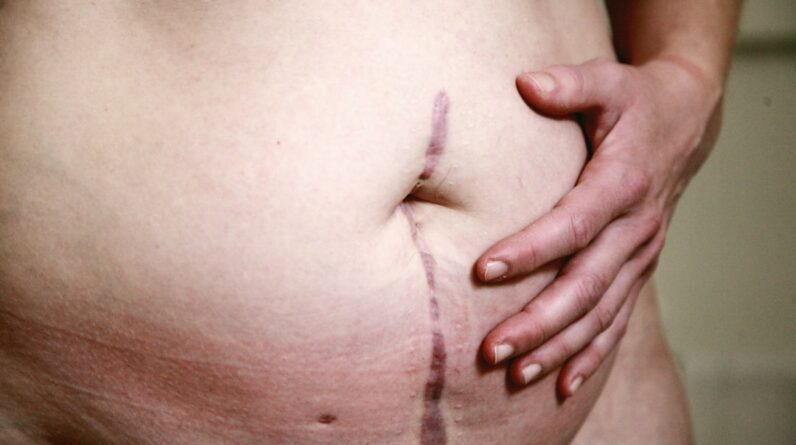
When embarking on the journey of abdominal fat reduction, it’s crucial to acknowledge that this process is a marathon, not a sprint. You’re confronting a complex physiological phenomenon, and your approach must be grounded in scientific understanding and realistic expectations. To effectively navigate this path, you must first understand the enemy, then devise a strategic blueprint for its conquest.
Abdominal fat, often referred to as belly fat, is not a monolithic entity. It exists in two primary forms, each with distinct characteristics and implications for your health and weight loss strategy.
Visceral Fat: The Silent Threat
This type of fat is located deep within your abdominal cavity, surrounding organs such as your liver, pancreas, and intestines. Visceral fat is metabolically active, meaning it readily releases fatty acids, inflammatory compounds, and hormones into your bloodstream. This metabolic activity is a double-edged sword: while it provides a readily available energy source, excessive visceral fat is strongly linked to a heightened risk of chronic diseases.
- Health Implications: High levels of visceral fat are a significant risk factor for insulin resistance, type 2 diabetes, heart disease, certain cancers (including colorectal and breast cancer), and even stroke. It contributes to chronic low-grade inflammation throughout your body, creating a fertile ground for these debilitating conditions. Imagine visceral fat as a tiny, perpetually active chemical factory within your abdomen, constantly churning out substances that can harm your health.
- Measurement: Accurate measurement of visceral fat typically requires sophisticated imaging techniques like MRI or CT scans. However, a simpler, though less precise, indicator is your waist circumference. A waist circumference exceeding 40 inches (102 cm) for men and 35 inches (88 cm) for women often signifies elevated visceral fat levels and warrants attention. This simple measurement can act as your early warning system.
Subcutaneous Fat: The More Visible Layer
Subcutaneous fat resides directly beneath your skin. It’s the pinchable fat that you can easily feel and see. While aesthetically less desirable for many, subcutaneous fat is generally considered less metabolically dangerous than visceral fat. It acts as an energy reserve and provides insulation.
- Health Implications: While an excess of subcutaneous fat can contribute to overall obesity and its associated health risks, it’s not as directly implicated in metabolic dysfunction as visceral fat. Think of subcutaneous fat as a general storage warehouse, while visceral fat is a specialized, and potentially hazardous, chemical plant.
- Measurement: This type of fat is often measured using skinfold calipers, a method that gauges the thickness of the fat layer at various points on the body. While not perfect, it provides a reasonable estimate of your subcutaneous fat levels.
For those looking to complement their journey towards abdominal fat loss, it’s essential to set realistic goals that align with your lifestyle and body type. A related article that provides valuable insights on achieving a toned midsection is available at this link: How to Get Six Pack Abs in 30 Days. This resource offers practical tips and a structured plan to help you work towards your fitness aspirations effectively.
The Myth of Spot Reduction: Why Crunches Alone Won’t Cut It
A common misconception in the realm of fitness is the idea that you can selectively reduce fat from a specific area of your body by exercising that area. This is often referred to as “spot reduction.” Unfortunately, physiological reality does not conform to this wishful thinking.
- Physiological Basis: Your body mobilizes fat for energy from its overall stores, not just the muscles you’re working. When you perform crunches, you are strengthening your abdominal muscles, which can improve core stability and definition. However, these exercises do not directly burn the fat overlying those muscles. The fat cells throughout your body release fatty acids into your bloodstream, which are then transported to muscles and other tissues for energy, irrespective of which muscle group is being exercised.
- Analogy: Imagine trying to empty a swimming pool by scooping water from only one corner. While you might make a small dent in that corner, the overall water level of the pool will decrease only if you remove water from the entire pool, or, more effectively, open the drain. Similarly, to reduce abdominal fat, you must address your overall body fat percentage.
The Pillars of Abdominal Fat Loss: A Holistic Approach
Effective abdominal fat reduction demands a comprehensive strategy that addresses multiple facets of your lifestyle. It’s about constructing a robust framework, not just patching up individual weaknesses.
Dietary Adjustments: The Cornerstone of Fat Loss
Your diet plays the most significant role in determining your body composition. This isn’t about deprivation; it’s about making informed choices that support your physiological goals.
- Calorie Deficit: To lose fat, you must consume fewer calories than your body expends. This principle, known as creating a calorie deficit, is non-negotiable. You can achieve this by reducing your caloric intake, increasing your physical activity, or, most effectively, a combination of both. Think of calories as units of energy; if you take in more than you use, the surplus is stored as fat.
- Emphasis on Whole, Unprocessed Foods: Prioritize a diet rich in fruits, vegetables, lean proteins, and whole grains. These foods provide essential nutrients, fiber, and satiety, helping you feel full on fewer calories.
- Protein Intake: Adequate protein intake is crucial. Protein is more thermogenic than carbohydrates or fats, meaning your body expends more energy to digest it. It also helps preserve muscle mass during weight loss, which is vital for maintaining a healthy metabolism. Aim for approximately 0.7-1 gram of protein per pound of body weight.
- Fiber-Rich Foods: Soluble fiber, found in oats, beans, apples, and citrus fruits, forms a gel-like substance in your digestive tract, slowing digestion and increasing feelings of fullness. It also feeds beneficial gut bacteria, contributing to overall metabolic health.
- Healthy Fats: Don’t fear fats entirely. Monounsaturated and polyunsaturated fats, found in avocados, nuts, seeds, and olive oil, are essential for hormone production and overall health. However, moderation is key, as fats are calorie-dense.
- Minimizing Refined Carbohydrates and Sugars: These foods cause rapid spikes in blood sugar and insulin levels, promoting fat storage, particularly visceral fat. Think of them as fuel that burns too quickly and leaves harmful residue. Limit intake of sugary drinks, white bread, pastries, and highly processed snacks.
- Hydration: Water is vital for numerous bodily functions, including metabolism. Drinking ample water can also contribute to satiety and help you distinguish between hunger and thirst.
Exercise Regimen: Beyond Abdominal Training
While direct abdominal exercises don’t spot-reduce fat, a well-rounded exercise program is essential for overall fat loss and health.
- Cardiovascular Exercise: Engage in regular aerobic activities such as running, swimming, cycling, or brisk walking. This type of exercise elevates your heart rate and burns calories, contributing significantly to your overall calorie deficit. Aim for at least 150 minutes of moderate-intensity or 75 minutes of vigorous-intensity cardiovascular exercise per week.
- High-Intensity Interval Training (HIIT): HIIT involves short bursts of intense exercise followed by brief recovery periods. This method has been shown to be highly effective for burning calories and improving metabolic health, potentially even more so than steady-state cardio for visceral fat reduction. Imagine HIIT as short, powerful bursts that kick your metabolic engine into high gear.
- Strength Training: Incorporate strength training exercises that target all major muscle groups at least two to three times per week. Muscle tissue is more metabolically active than fat tissue, meaning it burns more calories at rest. Building and maintaining muscle mass is a critical component of sustainable fat loss.
- Compound Movements: Focus on exercises that engage multiple muscle groups simultaneously, such as squats, deadlifts, lunges, and presses. These movements are highly effective for building overall strength and muscle mass.
Setting Realistic Goals and Tracking Progress
The journey of fat loss is often accompanied by fluctuations and plateaus. Setting realistic expectations and employing effective tracking methods will help you stay motivated and make necessary adjustments.
Gradual and Sustainable Weight Loss
Aim for a gradual and sustainable weight loss of 1-2 pounds (0.5-1 kg) per week. While faster initial weight loss might occur, especially if you’re significantly overweight, a slower pace is more likely to be maintained long-term and minimizes muscle loss. Think of it as steadily building a sturdy foundation, not throwing up a flimsy structure overnight.
- Avoid Crash Diets: Extreme calorie restriction or restrictive fad diets are often unsustainable and can lead to nutrient deficiencies, muscle loss, and rebound weight gain. They are short-term fixes with long-term detrimental consequences.
Measuring Progress Beyond the Scale
While the scale can provide a general indicator, it doesn’t tell the whole story. Several other metrics offer a more comprehensive view of your progress.
- Waist Circumference: As mentioned earlier, measuring your waist circumference is a simple and effective way to track changes in abdominal fat. Aim to take this measurement at the narrowest part of your waist, just above your belly button.
- Body Composition Scans: Technologies like DEXA (Dual-energy X-ray Absorptiometry) scans can provide precise measurements of your body fat percentage, lean muscle mass, and bone density. These provide a detailed snapshot of your body’s composition, allowing you to see if you’re losing fat while preserving muscle.
- Progress Photos: Regularly taking photos of yourself (e.g., once a month) can reveal subtle changes that the scale might not capture. Visual progress can be a powerful motivator.
- How Your Clothes Fit: Notice how your clothes fit. Looser clothing, especially around your waist, is a clear sign of progress, regardless of what the scale indicates.
- Energy Levels and Overall Health Markers: Pay attention to improvements in your energy levels, sleep quality, and mood. If you have been monitoring blood pressure, cholesterol, or blood sugar, observe any positive changes in these health markers. These are significant victories beyond just aesthetics.
When embarking on a journey towards abdominal fat loss, it’s essential to set realistic goals that align with your lifestyle and body type. A related article that can provide valuable insights is available at 6 Pack Abs Workout, which offers effective workout routines designed to complement your fat loss efforts. By integrating these exercises into your regimen, you can enhance your progress and stay motivated as you work towards achieving your desired results.
The Role of Lifestyle Factors: Beyond Diet and Exercise
| Metric | Initial Value | Target Value | Time Frame | Notes |
|---|---|---|---|---|
| Waist Circumference (inches) | 38 | 34 | 12 weeks | Reduce by 4 inches for noticeable fat loss |
| Body Fat Percentage (%) | 28 | 20 | 16 weeks | Focus on gradual fat loss to maintain muscle |
| Weight (lbs) | 180 | 165 | 12 weeks | Target 1-2 lbs weight loss per week |
| Daily Caloric Deficit (kcal) | 0 | 500 | Ongoing | Supports ~1 lb fat loss per week |
| Weekly Exercise Frequency | 2 days | 5 days | 8 weeks | Include cardio and strength training |
| Protein Intake (grams/day) | 70 | 120 | Ongoing | Supports muscle retention during fat loss |
Your daily habits, often overlooked, exert a profound influence on your body’s ability to shed abdominal fat. These are the supporting beams that reinforce your entire structure.
Stress Management
Chronic stress elevates cortisol levels, a hormone that promotes abdominal fat storage. Finding healthy ways to manage stress is vital.
- Techniques: Incorporate stress-reducing activities into your routine, such as meditation, yoga, deep breathing exercises, spending time in nature, or engaging in hobbies you enjoy.
- Adequate Sleep: Prioritize 7-9 hours of quality sleep per night. Sleep deprivation disrupts hormones that regulate appetite (ghrelin and leptin) and increases cortisol, making it harder to lose weight and easier to store fat. Think of sleep as your body’s repair and reset button; without adequate reset, your systems become dysfunctional.
Limiting Alcohol Consumption
Alcohol is rich in empty calories and can disrupt fat metabolism. Excessive alcohol intake, particularly beer and sugary mixed drinks, is directly linked to increased abdominal fat. Reducing or eliminating alcohol can significantly aid your fat loss efforts.
- “Beer Belly” Phenomenon: The term “beer belly” isn’t just an anecdotal observation; it’s a reflection of alcohol’s impact on fat distribution. Alcohol calories are preferentially stored as fat, often around the abdomen.
When embarking on a journey towards abdominal fat loss, it’s essential to set realistic goals to ensure sustainable progress. A helpful resource that complements this topic is an article that outlines a comprehensive one-month workout plan designed specifically for achieving six-pack abs. This plan not only provides structured workouts but also emphasizes the importance of consistency and dedication. You can explore this valuable information in more detail by visiting the article on one-month six-pack workout plan. By integrating these insights with your fat loss strategy, you can enhance your results and stay motivated throughout your fitness journey.
Consistency and Patience: The Ultimate Determinants of Success
The pursuit of abdominal fat loss is not a quick fix; it’s a journey of consistent effort, perseverance, and adaptation. You will encounter plateaus, setbacks, and moments of frustration. It is during these times that your commitment will be tested.
Embracing the Long Game
Understand that physiological changes take time. Fat loss is a gradual process, and rapid changes are often unsustainable or unhealthy. Celebrate small victories and focus on building healthy habits that you can maintain for life. Don’t view this as a temporary diet but as a permanent shift in your lifestyle.
Learning from Setbacks
A setback is not a failure; it’s an opportunity to learn and adjust your strategy. If you overeat one day, don’t let it derail your entire effort. Get back on track with your next meal. Analyze what led to the setback and devise strategies to prevent its recurrence. Think of setbacks as course corrections on your map.
In conclusion, achieving significant abdominal fat loss is a multifaceted endeavor that requires a deep understanding of your body, a strategic approach to diet and exercise, diligent attention to lifestyle factors, and, above all, unwavering consistency and patience. By adopting a holistic and realistic perspective, you are not merely aiming to reduce your waistline; you are investing in a healthier, more vibrant future. The journey may be challenging, but the rewards—improved health, increased confidence, and enhanced well-being—are immeasurable. Remember, you have the power to reshape your body and empower your life.
FAQs
What is a realistic rate of abdominal fat loss?
A realistic rate of abdominal fat loss is typically about 1 to 2 pounds per week. This gradual approach helps ensure that the weight loss is sustainable and primarily from fat rather than muscle or water.
How can I measure progress in abdominal fat loss?
Progress can be measured using several methods, including tracking changes in waist circumference, body fat percentage, progress photos, and how clothes fit. Scales alone may not accurately reflect fat loss, so combining methods is recommended.
What factors influence abdominal fat loss?
Several factors influence abdominal fat loss, including diet quality, calorie intake, physical activity levels, genetics, stress, sleep quality, and hormonal balance. A combination of healthy eating and regular exercise is essential for effective fat loss.
Why is setting realistic goals important for abdominal fat loss?
Setting realistic goals helps maintain motivation, prevents frustration, and promotes long-term success. Unrealistic expectations can lead to disappointment and unhealthy behaviors, whereas achievable goals encourage consistent progress.
What lifestyle changes support abdominal fat loss?
Key lifestyle changes include adopting a balanced diet rich in whole foods, engaging in regular cardiovascular and strength training exercises, managing stress, getting adequate sleep, and avoiding excessive alcohol consumption. These habits collectively support fat loss and overall health.