
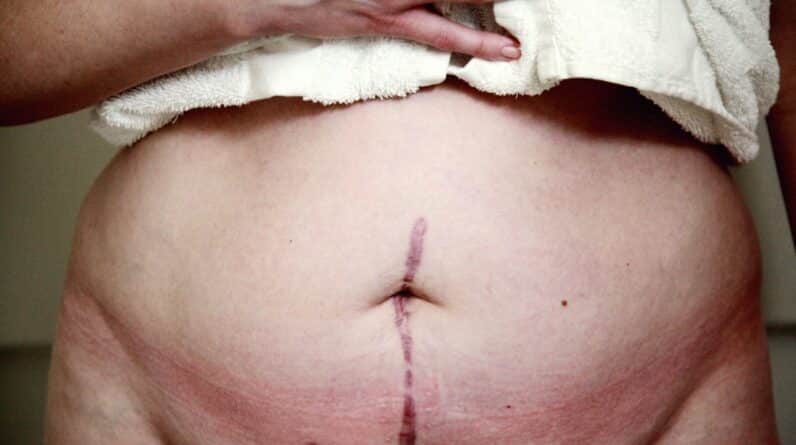
You embark on a journey, a quest for a leaner midsection, often fueled by health aspirations, aesthetic desires, or a combination of both. As you meticulously track your macros, increase your activity levels, and perhaps even experiment with various fad diets, you might overlook a crucial, yet often underestimated, component of your progress: your mental health. This article explores the profound interconnectedness between your psychological well-being and your success in reducing abdominal fat, offering insights grounded in scientific understanding rather than fleeting trends.
Your body is not merely a collection of isolated systems; it’s an intricate symphony, with your mind acting as the conductor. The state of your mental health profoundly influences your physical processes, especially those related to fat storage and metabolism. When you experience chronic stress, anxiety, or depression, your body doesn’t differentiate between a looming deadline and a saber-toothed tiger; it responds with a cascade of physiological changes designed for survival.
Stress Hormones and Visceral Fat: A Vicious Cycle
At the forefront of this mind-body interplay is cortisol, often dubbed the “stress hormone.” When you’re under stress, your adrenal glands pump out cortisol, preparing your body for a “fight or flight” response. While acute surges of cortisol are essential for survival, chronic elevation leads to detrimental effects, particularly on your abdominal fat.
Cortisol’s Role in Fat Redistribution
Cortisol specifically promotes the accumulation of visceral fat, the metabolically active fat stored around your organs. This isn’t merely an aesthetic concern; visceral fat is strongly linked to increased risk of heart disease, type 2 diabetes, and certain cancers. It’s like a silent, unwelcome guest setting up residence in your core, actively contributing to inflammation and insulin resistance.
The Impact on Appetite and Cravings
Beyond direct fat storage, chronic stress also alters your appetite. You might find yourself gravitating towards high-calorie, high-sugar foods – comfort foods – that offer a fleeting sense of solace but ultimately contribute to calorie surplus and weight gain, particularly around your waistline. This isn’t a lack of willpower; it’s a hormonally driven response, a biological imperative to seek readily available energy.
The Gut-Brain Axis: A Two-Way Street
Your gut, often referred to as your “second brain,” is intricately linked to your actual brain. The trillions of microorganisms residing in your digestive system, collectively known as your microbiota, play a pivotal role in everything from nutrient absorption to immune function. And, crucially, they influence your mood and stress response.
Microbial Influence on Mood and Metabolism
An imbalanced gut microbiome, often exacerbated by stress and poor dietary choices, can contribute to inflammation throughout your body, including your brain. This inflammation can, in turn, worsen anxiety and depression, creating a feedback loop. Furthermore, certain gut bacteria strains are associated with increased fat storage and altered metabolism, directly impacting your abdominal fat accumulation.
The Vagus Nerve Connection
The vagus nerve, a major neural pathway, directly connects your brain to your gut. It acts as a superhighway for communication, transmitting signals between these two crucial organs. When you’re stressed, this communication can become disrupted, leading to digestive issues and, in some cases, contributing to visceral fat accumulation. It’s like a damaged telephone line, hindering clear communication and leading to misinterpretations.
In the journey towards achieving abdominal fat loss, it’s crucial to recognize the significant role that mental health plays in overall progress. A related article that delves deeper into this connection is titled “The Role of Mental Well-Being in Fitness Success.” This piece emphasizes how maintaining a positive mindset can enhance motivation and adherence to fitness routines, ultimately leading to better results. For more insights, you can read the article here: The Role of Mental Well-Being in Fitness Success.
Emotional Eating: Seeking Comfort in Calories
You’ve likely experienced it: reaching for a bag of chips or a tub of ice cream after a particularly frustrating day. This is emotional eating, a common coping mechanism where food is used to soothe uncomfortable feelings rather than to satisfy genuine hunger. While it offers temporary relief, it ultimately sabotages your abdominal fat loss efforts.
Identifying Your Emotional Triggers
The first step to overcoming emotional eating is to identify your triggers. Are you eating out of boredom, loneliness, stress, or sadness? Keeping a food and mood journal can be an invaluable tool here, allowing you to observe patterns and understand the underlying emotions driving your food choices. It’s like being a detective, gathering clues to solve a mystery.
Distinguishing Physical Hunger from Emotional Hunger
Learning to differentiate between true physical hunger (a gnawing sensation, an empty stomach) and emotional hunger (a sudden craving, a desire for a specific food) is paramount. Physical hunger can be satisfied by a wide range of healthy foods; emotional hunger often demands something specific, usually high in sugar, fat, or salt.
Developing Alternative Coping Mechanisms
Once you identify your triggers, you can begin to develop healthier coping mechanisms. Instead of reaching for food, try going for a walk, listening to music, talking to a friend, or engaging in a hobby. These activities provide genuine emotional relief without derailing your dietary goals. It’s about building a toolkit of alternative strategies.
The Role of Sleep in Appetite Regulation
Often overlooked, the quality and quantity of your sleep have a profound impact on your hormones that regulate appetite and fat storage. When you’re sleep-deprived, your body’s delicate hormonal balance is thrown off kilter.
Leptin and Ghrelin Imbalance
Sleep deprivation leads to an increase in ghrelin, the “hunger hormone,” and a decrease in leptin, the “satiety hormone.” This double whammy leaves you feeling hungrier and less satisfied, making it incredibly difficult to stick to a calorie-controlled diet. It’s like having your hunger accelerator pressed down while your brake pedal is unresponsive.
Increased Cortisol Levels and Insulin Resistance
Lack of sleep also elevates cortisol levels, further promoting abdominal fat storage and increasing insulin resistance, making it harder for your body to process glucose effectively. This creates a challenging environment for abdominal fat loss.
Stress Management: Your Secret Weapon Against Abdominal Fat
Given the profound impact of stress on your abdominal fat, developing effective stress management techniques is not just beneficial for your mental well-being; it’s a critical component of your fat loss strategy. Think of it as proactively disarming a bomb that could sabotage your efforts.
Mindfulness and Meditation: Cultivating Inner Calm
Practices like mindfulness and meditation have been scientifically shown to reduce cortisol levels, promote relaxation, and improve overall mental well-being. Even a few minutes a day can make a significant difference in your ability to cope with daily stressors.
Techniques for Stress Reduction
- Deep Breathing Exercises: Simple yet powerful, controlled breathing can quickly activate your parasympathetic nervous system, countering the “fight or flight” response.
- Mindful Movement: Practices like yoga and Tai Chi combine physical activity with mental focus, promoting both relaxation and physical well-being.
- Progressive Muscle Relaxation: This technique involves tensing and relaxing different muscle groups, helping you become aware of and release tension in your body.
Building a Supportive Social Network
Humans are social creatures, and strong social connections are vital for mental health. Sharing your struggles and successes with trusted friends, family, or a support group can provide emotional sustenance and reduce feelings of isolation.
Seeking Professional Help When Needed
If you find yourself struggling with chronic stress, anxiety, or depression that seems insurmountable, do not hesitate to seek professional help from a therapist or counselor. They can provide personalized strategies and support to navigate these challenges effectively. A professional can act as a guide through a dimly lit forest.
The Power of Positive Affirmations and Self-Compassion
Your inner dialogue significantly shapes your perception of yourself and your progress. Negative self-talk can be as detrimental as a poor diet, eroding your motivation and reinforcing unhealthy habits.
Reframing Your Inner Narrative
Challenge negative thoughts and replace them with positive, realistic affirmations. Instead of “I’ll never lose this belly fat,” try “I am making progress, and I am committed to my health.” This isn’t about ignoring reality but about focusing on actionable steps and celebrating small victories. It’s like tending to a garden, pulling out weeds and nurturing healthy plants.
Setting Realistic Expectations
Abdominal fat loss is a gradual process, not a sprint. Setting unrealistic expectations can lead to frustration and burnout. Celebrate every step forward, no matter how small, and view setbacks as learning opportunities rather than failures.
Practicing Self-Compassion
Be kind to yourself. You are human, and challenges are an inevitable part of any journey. Instead of self-criticism, practice self-compassion, treating yourself with the same understanding and kindness you would offer a good friend.
Forgiveness and Moving Forward
If you have a slip-up, don’t dwell on it. Forgive yourself, learn from the experience, and recommit to your goals. One indulgent meal or a missed workout doesn’t negate all your hard work. It’s a bump in the road, not the end of the journey.
In the journey of achieving abdominal fat loss, it’s crucial to recognize the significant role that mental health plays in the process. A positive mindset can enhance motivation and adherence to fitness routines, making it easier to reach your goals. For those looking to complement their physical efforts with effective strategies, a related article on achieving a six-pack in just one month offers valuable insights. You can explore this resource further by visiting this link, which provides practical tips that align with maintaining a healthy mental state throughout your fitness journey.
Integrating Mental Well-being into Your Fat Loss Strategy
| Metric | Initial Measurement | Current Measurement | Change | Notes |
|---|---|---|---|---|
| Abdominal Fat Percentage | 28% | 22% | -6% | Significant reduction over 12 weeks |
| Waist Circumference (inches) | 38 | 34 | -4 | Consistent decrease correlating with fat loss |
| Body Mass Index (BMI) | 29.5 | 27.0 | -2.5 | Improved overall body composition |
| Stress Levels (Scale 1-10) | 7 | 4 | -3 | Reduced stress linked to better fat loss outcomes |
| Sleep Quality (Hours per night) | 5.5 | 7.0 | +1.5 | Improved sleep supports metabolic health |
| Mental Health Score (Scale 1-10) | 5 | 8 | +3 | Better mental health correlates with sustained progress |
Ultimately, your abdominal fat loss journey should be holistic, encompassing both your physical and mental well-being. Ignoring one for the sake of the other is like trying to row a boat with only one oar; you’ll expend a lot of effort without reaching your destination efficiently.
Creating a Sustainable Lifestyle
Your goal shouldn’t be a temporary fix but a sustainable lifestyle change. This involves adopting habits that support both your physical health and your mental equilibrium. A regimen that causes immense stress will likely be unsustainable in the long run.
Prioritizing Self-Care Activities
Incorporate self-care activities into your daily or weekly routine. This could be anything from reading a book and taking a relaxing bath to pursuing a hobby or spending time in nature. These activities act as an emotional recharge, allowing you to approach your fat loss goals with renewed energy and focus.
Monitoring Progress Beyond the Scale
While the scale can be a useful tool, it only tells part of the story. Pay attention to other markers of progress: how your clothes fit, your energy levels, your sleep quality, and, crucially, your overall mood and sense of well-being. These non-scale victories often reflect deeper, more sustainable changes.
You are not merely shedding pounds; you are cultivating a healthier, more resilient you. By acknowledging and actively nurturing your mental health, you are not just making progress towards a leaner midsection; you are building a stronger foundation for a more fulfilling and harmonious life. Your mental health isn’t a sideline player in your fat loss journey; it’s a star performer, essential for your success.
FAQs
1. How does mental health impact abdominal fat loss progress?
Mental health plays a significant role in abdominal fat loss because stress, anxiety, and depression can lead to hormonal imbalances, increased cortisol levels, and unhealthy eating habits, all of which contribute to fat accumulation around the abdomen.
2. Can managing stress improve abdominal fat loss results?
Yes, managing stress through techniques such as mindfulness, meditation, and regular physical activity can help reduce cortisol levels, which may promote more effective abdominal fat loss and overall better health.
3. Why is a positive mindset important during fat loss journeys?
A positive mindset helps maintain motivation, adherence to healthy habits, and resilience against setbacks, which are crucial for sustained abdominal fat loss and long-term wellness.
4. Are there specific mental health practices recommended to support fat loss?
Practices such as cognitive-behavioral therapy (CBT), meditation, adequate sleep, and stress management techniques are recommended to support mental well-being and enhance fat loss efforts.
5. How can poor mental health hinder abdominal fat loss progress?
Poor mental health can lead to emotional eating, lack of motivation for exercise, disrupted sleep patterns, and increased stress hormones, all of which can slow down or reverse progress in losing abdominal fat.