
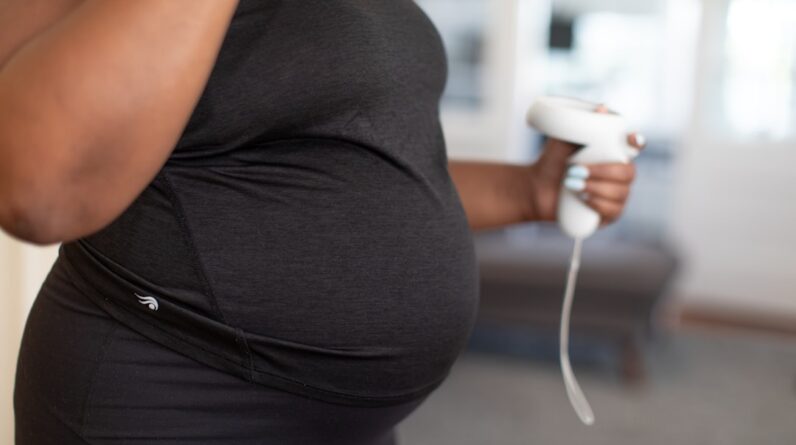
You embark on a journey towards reducing abdominal fat, a goal often pursued with intense fervor. However, in your dedicated pursuit of physical transformation, you might overlook a cornerstone of progress: rest and recovery. This often-neglected component is not merely a passive interlude between demanding workouts; it is a vital, active process that dictates the efficiency of your efforts and the sustainability of your results. To truly understand and harness its power, you must delve into the intricate physiological and psychological mechanisms that underpin its importance. Without adequate rest and recovery, your battle against abdominal fat becomes an uphill struggle against your own biology, much like trying to build a solid structure on shifting sands.
When you engage in rigorous exercise, particularly high-intensity interval training (HIIT) or strength training, you are intentionally creating micro-traumas within your muscle fibers. This controlled damage, far from being detrimental, is the catalyst for growth and adaptation. However, this reparative process, alongside numerous other critical biological functions, cannot occur optimally without sufficient rest.
Muscle Repair and Growth
Your muscles don’t grow in the gym; they grow during your recovery periods. Exercise acts as the stimulus, but rest provides the necessary resources and time for your body to repair damaged muscle tissue and rebuild it stronger and bigger. This process is crucial for increasing your lean muscle mass, which itself is a significant contributor to a higher resting metabolic rate – your body’s calorie-burning engine even when you’re at rest.
Hormone Regulation and Balance
Rest plays a delicate and essential role in maintaining your hormonal equilibrium. When you consistently push your body without adequate recovery, you can disrupt the finely tuned balance of hormones that directly influence fat storage, particularly in the abdominal region.
Cortisol Management
Chronic stress, whether from overtraining, insufficient sleep, or psychological pressures, leads to elevated levels of cortisol, often dubbed the “stress hormone.” High cortisol levels are strongly correlated with increased abdominal fat storage and a greater likelihood of insulin resistance. During rest, your body can regulate cortisol levels, preventing this detrimental cycle. Imagine cortisol as a vigilant guard dog; a short, intense watch is beneficial, but prolonged activation becomes counterproductive, eventually leading to exhaustion and misdirected aggression.
Growth Hormone and Testosterone Production
Sleep, in particular, is a critical period for the pulsatile release of growth hormone (GH) and, in men, testosterone. Both hormones are anabolic, meaning they promote muscle growth and fat loss. Disruptions to your sleep cycle directly impact their production, thereby impeding your abdominal fat loss efforts.
Insulin Sensitivity
Adequate sleep and recovery are fundamental for maintaining healthy insulin sensitivity. When you are well-rested, your body is more efficient at utilizing glucose for energy, preventing its storage as fat. Conversely, sleep deprivation and overtraining can lead to insulin resistance, making it harder for your body to shed belly fat.
In the journey towards achieving abdominal fat loss, understanding the role of rest and recovery is crucial for maximizing results. For those interested in the broader context of fitness and health, a related article that showcases the inspiring stories of successful fitness models can be found here: Top 30 Male Fitness Models with Biography. This article not only highlights their fitness journeys but also emphasizes the importance of balanced training, nutrition, and recovery in achieving a well-defined physique.
The Metabolic Connection to Recovery
Your metabolism isn’t a static entity; it’s a dynamic system heavily influenced by your overall recovery status. Neglecting rest can slow down your metabolic rate, effectively making your fat loss journey longer and more arduous.
Energy Restoration
Exercise depletes your body’s energy stores, primarily glycogen in your muscles and liver. Rest allows your body to replenish these stores, ensuring you have the fuel for subsequent workouts. Without adequate replenishment, your performance will suffer, and you’ll be less effective at burning calories and building muscle. Think of your body as a high-performance vehicle; you wouldn’t expect it to run optimally without refueling after a long drive.
Thermic Effect of Food (TEF)
While often overlooked, your body expends energy to digest, absorb, and metabolize the food you eat, a process known as the Thermic Effect of Food (TEF). A well-rested body, with its hormones in balance and systems running efficiently, can optimize this energy expenditure. Conversely, a stressed and fatigued body may not be as efficient in this process.
Basal Metabolic Rate (BMR)
Your Basal Metabolic Rate (BMR) is the number of calories your body burns at rest to maintain essential bodily functions. Building lean muscle mass, which happens during recovery, is one of the most effective ways to increase your BMR. By consistently breaking down and rebuilding muscle tissue, you’re essentially creating a more metabolically active body, which burns more calories even when you’re not working out.
The Psychological Dimension of Rest
Beyond the physiological benefits, rest and recovery profoundly impact your psychological well-being, which in turn influences your adherence to your fat loss plan.
Reduced Cravings and Improved Dietary Adherence
Sleep deprivation is a potent trigger for increased ghrelin (the “hunger hormone”) and decreased leptin (the “satiety hormone”). This hormonal imbalance leads to intensified cravings for calorie-dense, often unhealthy, foods. When you’re well-rested, you’re better equipped to make conscious, healthy food choices, rather than succumbing to fatigue-induced cravings. Your willpower, like a battery, recharges during rest.
Enhanced Motivation and Consistency
Overtraining and chronic fatigue can quickly lead to burnout, demotivation, and ultimately, a complete abandonment of your fitness goals. Regular rest breaks and sufficient sleep prevent this spiral, keeping your motivation high and ensuring consistent adherence to your workout routine and dietary plan. Would you expect a marathon runner to perform optimally without adequate sleep and recovery between races?
Stress Reduction
The act of resting itself is a powerful stress reliever. Incorporating deliberate relaxation techniques, such as meditation, deep breathing exercises, or even simply engaging in enjoyable leisure activities, can significantly reduce your overall stress levels, further aiding in abdominal fat loss by mitigating cortisol production.
Practical Strategies for Optimal Recovery
Understanding the importance of rest and recovery is only the first step. You must actively integrate these principles into your daily routine to see tangible results in your abdominal fat loss journey.
Prioritize Sleep Quality and Quantity
Aim for 7-9 hours of high-quality sleep per night. This is not a negotiable aspect of your recovery; it is fundamental.
Establish a Regular Sleep Schedule
Go to bed and wake up at roughly the same time each day, even on weekends, to regulate your circadian rhythm.
Optimize Your Sleep Environment
Ensure your bedroom is dark, quiet, and cool. Avoid electronic devices an hour before bed.
Limit Caffeine and Alcohol Intake
These substances can disrupt your sleep architecture, even if they initially make you feel drowsy.
Incorporate Active Recovery
Active recovery involves low-intensity exercise that promotes blood flow and aids in flushing out metabolic waste products without putting undue stress on your muscles.
Light Walking or Cycling
Engage in gentle activities on your rest days to keep your body moving and improve circulation.
Stretching and Foam Rolling
These practices improve flexibility, reduce muscle soreness, and can aid in overall recovery.
Strategic Rest Days
Don’t view rest days as missed opportunities; view them as essential components of your training schedule.
Listen to Your Body
Pay attention to signs of overtraining, such as persistent muscle soreness, fatigue, irritability, and decreased performance. Don’t be afraid to take an additional rest day if needed.
Plan Non-Exercise Activities
Use your rest days to engage in hobbies, spend time with loved ones, or simply relax, further reducing stress.
Nutritional Support for Recovery
Your diet plays a crucial role in providing the building blocks for muscle repair and energy replenishment.
Adequate Protein Intake
Consume sufficient protein to support muscle protein synthesis and repair. Aim for 1.6-2.2 grams of protein per kilogram of body weight.
Carbohydrate Replenishment
Replenish your glycogen stores with complex carbohydrates, especially after intense workouts.
Micronutrient-Rich Foods
Ensure you’re consuming a wide variety of fruits, vegetables, and whole grains to provide essential vitamins, minerals, and antioxidants that support recovery processes.
In the journey toward abdominal fat loss, understanding the significance of rest and recovery is crucial for achieving optimal results. A related article discusses effective home workouts that can complement your fitness routine, ensuring that you not only burn fat but also build muscle effectively. For more insights on how to enhance your training regimen, check out this informative piece on six-pack abs workouts that you can do at home. Balancing intense workouts with adequate recovery will help you maximize your efforts and reach your goals more efficiently.
The Long-Term Perspective on Abdominal Fat Loss
| Metric | Week 1 | Week 2 | Week 3 | Week 4 | Notes |
|---|---|---|---|---|---|
| Abdominal Fat Percentage | 28% | 26.5% | 25% | 23.5% | Consistent fat loss with proper rest |
| Rest Days per Week | 1 | 2 | 2 | 3 | Increased rest correlates with better recovery |
| Sleep Duration (hours) | 6 | 7 | 7.5 | 8 | Improved sleep supports fat loss |
| Workout Intensity (1-10) | 7 | 7 | 6 | 6 | Reduced intensity to allow recovery |
| Muscle Soreness (1-10) | 8 | 6 | 4 | 2 | Less soreness with adequate rest |
You might be tempted to expedite your abdominal fat loss by continuously pushing your body to its limits. However, this approach is often counterproductive and unsustainable. Think of your body as a finely tuned machine; consistent operation without proper maintenance will inevitably lead to breakdowns and diminished performance.
Sustainability and Injury Prevention
A consistent focus on recovery minimizes your risk of injuries, which can set back your progress significantly. By integrating rest, you create a sustainable routine that you can adhere to in the long term, leading to lasting results rather than fleeting victories.
Enhanced Performance
Well-rested muscles perform better. You’ll lift heavier, run faster, and have more energy during your workouts when your body has had ample time to recover. This improved performance translates to more effective fat burning and muscle building sessions.
Reduced Risk of Burnout
The journey to sustained abdominal fat loss is a marathon, not a sprint. Prioritizing rest and recovery prevents physical and mental burnout, ensuring you remain motivated and engaged throughout the process. It’s about building resilience, not just pushing boundaries.
In conclusion, your pursuit of reduced abdominal fat will be significantly more effective and sustainable if you embrace rest and recovery as integral, non-negotiable components of your overall strategy. Just as diligent training and a balanced diet are crucial, so too is the often-underestimated power of allowing your body the time and resources it needs to repair, adapt, and grow. By honoring your body’s need for rest, you are not merely pausing; you are actively optimizing your path to success.
FAQs
1. Why is rest important for abdominal fat loss?
Rest is crucial for abdominal fat loss because it allows the body to recover from exercise, reduces stress hormone levels like cortisol, and supports metabolic functions that aid in fat burning.
2. How does recovery impact fat loss progress?
Recovery helps repair muscle tissue, replenish energy stores, and prevent overtraining, all of which contribute to maintaining a consistent workout routine and optimizing fat loss results.
3. How much rest is recommended between abdominal workouts?
It is generally recommended to allow 48 hours of rest between intense abdominal workouts to enable muscle recovery and prevent injury.
4. Can lack of sleep affect abdominal fat loss?
Yes, insufficient sleep can disrupt hormone balance, increase appetite, and reduce metabolism, making it harder to lose abdominal fat.
5. What are effective recovery methods to support abdominal fat loss?
Effective recovery methods include adequate sleep, proper nutrition, hydration, stretching, and low-intensity activities like walking or yoga to promote blood flow and muscle repair.