
What is Six-Pack Abs And Calorie Counting?
When you hear the phrases “six-pack abs” and “calorie counting,” it’s about understanding how managing your daily calorie intake plays a pivotal role in unveiling those defined abdominal muscles. Six-pack abs aren’t just about doing endless crunches; they’re mainly about reducing body fat so your abdominal muscles can show through. And calorie counting is the most effective way to control fat loss.
Calorie counting means tracking the number of calories you consume through food and drink, ensuring you stay in a calorie deficit—burning more calories than you consume. This deficit forces your body to use stored fat for energy, which is essential for revealing six-pack abs.
In other words, you can’t out-train a bad diet. No matter how many ab exercises you do, if you don’t control your calories, your abs will stay hidden under a layer of fat.
Why It Matters / Key Benefits
Understanding the connection between six-pack abs and calorie counting matters because it directly impacts your results. Here’s why:
- Fat Loss is Key: You need to lose fat to see your abs. Calorie counting helps you create the necessary deficit.
- Precision and Control: Counting calories gives you control over your diet, preventing overeating and guesswork.
- Improved Body Composition: You can maintain muscle mass while losing fat by balancing calories and protein intake
- Motivation and Accountability: Tracking calories keeps you accountable and motivated as you see progress.
- Better Energy Management: Knowing your calorie intake helps you fuel workouts effectively without overeating.
Detailed Components / Types / Variations
When it comes to six-pack abs and calorie counting, there are several components to understand:
1. Basal Metabolic Rate (BMR)
This is the number of calories your body burns at rest to maintain basic functions like breathing and circulation. Knowing your BMR helps set your calorie baseline.
2. Total Daily Energy Expenditure (TDEE)
TDEE includes your BMR plus the calories you burn through physical activity. This is the total calories you need to maintain your current weight.
3. Calorie Deficit
To lose fat and reveal six-pack abs, you need to eat fewer calories than your TDEE. A safe and effective deficit is usually 15-25% below your maintenance calories.
4. Macronutrient Ratios
Counting calories also involves balancing macronutrients—protein, carbs, and fats—to support muscle retention and energy levels.
5. Tracking Methods
- Manual Tracking: Writing down calories and macros in a journal.
- Apps and Software: Using apps like MyFitnessPal or Lose It! for easier tracking.
- Meal Planning: Preparing meals in advance to control calorie intake.
How It Works / Step-by-Step
- Calculate Your BMR and TDEE: Use an online calculator to estimate your daily calorie needs based on age, weight, height, and activity level.
- Set a Calorie Deficit: Reduce your daily calorie intake by 15-25% from your TDEE to promote fat loss.
- Track Your Food Intake: Log everything you eat and drink using a calorie-counting app or journal. Be honest and precise.
- Adjust Macronutrients: Aim for around 1 gram of protein per pound of body weight to preserve muscle, moderate carbs for energy, and healthy fats for hormone support.
- Combine With Ab-Focused Workouts: Incorporate resistance training and core exercises to build and define your abs.
- Monitor Progress Weekly: Track your weight, body measurements, and how your clothes fit to adjust your calorie intake if needed.
- Stay Consistent: Consistency in calorie counting and exercise is key to seeing your six-pack abs.
Best Tools / Products / Services
To make six-pack abs and calorie counting easier and more effective, consider these top tools:
- MyFitnessPal: The most popular calorie-counting app with a massive food database and barcode scanner.
- Lose It!: User-friendly app focused on calorie tracking and goal setting.
- Fitbit / Apple Watch: Wearable devices that track your activity and estimate calories burned.
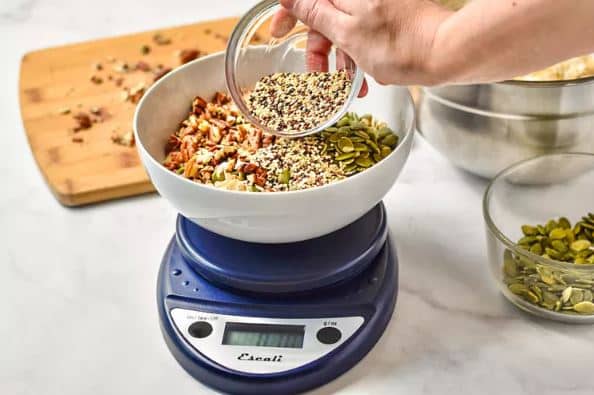
- Food Scales: Essential for accurately measuring portion sizes.
- Meal Prep Containers: Help you portion meals in advance to stay on track.
- Protein Supplements: Whey or plant-based protein powders to help meet your protein goals.
Mistakes to Avoid
- Ignoring Portion Sizes: Not measuring food can lead to underestimating calories.
- Overly Restrictive Diets: Cutting calories too low can cause muscle loss and fatigue.
- Neglecting Macronutrients: Focusing only on calories without balancing protein, carbs, and fats.
- Inconsistent Tracking: Skipping days or guessing intake reduces accuracy.
- Relying Solely on Scale Weight: Muscle gain or water retention can mask fat loss; use multiple progress indicators.
Expert Tips / Action Plan
- Start Simple: Begin by tracking just calories, then add macro tracking as you get comfortable.
- Plan Your Meals: Prepare meals ahead to avoid impulsive eating and stay within calorie goals.
- Stay Hydrated: Drinking water supports metabolism and appetite control.
- Include Strength Training: Build muscle to boost metabolism and improve ab definition.
- Be Patient: Fat loss takes time; focus on consistent habits rather than quick fixes.
- Adjust as Needed: If progress stalls, tweak your calorie intake or increase your activity level.
Mini-FAQ
Q: Can I get six-pack abs without counting calories?
A: While possible, calorie counting is the most reliable way to ensure fat loss. Without it, you risk eating more than you burn, hiding your abs.
Q: How many calories should I eat to get six-pack abs?
A: It depends on your TDEE, but generally a 15-25% calorie deficit is effective. Use a calculator to find your maintenance calories and reduce from there.
Q: Do I need to count calories forever?
A: Not necessarily. Many people count calories during fat loss phases and then transition to intuitive eating while maintaining portion control.
Mastering six-pack abs and calorie counting is your best bet to reveal those defined muscles you’ve been working hard for. By understanding your calorie needs, tracking intake, and combining smart nutrition with targeted workouts, you set yourself up for lasting success. Remember, consistency beats perfection—stick with your plan, adjust when needed, and celebrate progress along the way.
Ready to take control of your calorie intake and accelerate your six-pack abs journey? Try MyFitnessPal today—the top-rated calorie counting app trusted by millions to track macros, set goals, and stay on course. Start your free trial now and see the difference precise calorie management makes!
Back to main guide: How to Get Six-Pack Abs Guide: Your Ultimate Step-by-Step Plan
RELATED TOPICS ABOUT Six-Pack Abs And Calorie Counting
How to Get Six-Pack Abs Guide: Calorie Counting Edition
Six-Pack Abs and Calorie Counting: A Comprehensive Guide
Calorie Counting for Six-Pack Abs: A Detailed Guide
How to Get Six-Pack Abs: Best Calorie Counting Tips
Six-Pack Abs Guide: Mastering Calorie Counting for Abs
Calorie Counting Strategies for Six-Pack Abs: A Practical Guide
How to Get Six-Pack Abs: Implementing Calorie Counting
Six-Pack Abs Guide: Effective Calorie Counting Techniques
Calorie Counting for Six-Pack Abs: A Guide to Success
How to Get Six-Pack Abs: Calorie Counting for Beginners
Six-Pack Abs Guide: Calorie Counting Methods for Abs
Achieving Six-Pack Abs: Understanding Calorie Counting
How to Get Six-Pack Abs: Calorie Counting for Muscle Definition
Six-Pack Abs Guide: Importance of Calorie Counting
Calorie Counting for Six-Pack Abs: A Step-by-Step Guide
How to Get Six-Pack Abs: Balancing Workouts and Calorie Counting
Six-Pack Abs Guide: Ideal Calorie Counting Techniques
Calorie Counting Techniques for Six-Pack Abs
How to Get Six-Pack Abs: Maximizing Calorie Counting
Six-Pack Abs Guide: The Role of Calorie Counting in Abs Definition