
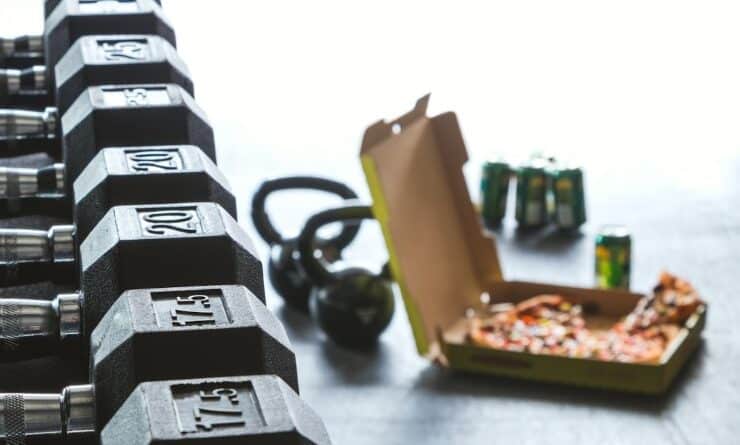
What is the Six-Pack Abs Diet Plan?
When you hear “six-pack abs,” you probably picture a lean, muscular midsection with clearly defined abdominal muscles. But getting those chiseled abs isn’t just about endless crunches or ab workouts—it starts in the kitchen. The Six-Pack Abs Diet Plan is a targeted nutrition strategy designed to reduce body fat while preserving muscle, helping your abs become visible and well-defined.
This diet plan focuses on maintaining an appropriate balance of macronutrients, timing meals, and choosing foods that support fat loss and muscle retention. Unlike fad diets or extreme calorie cutting, it’s a sustainable approach that supports your fitness goals and overall health.
Think of it as the foundation for your six-pack journey. Without a solid diet plan, even the best ab workouts won’t reveal the muscles beneath the fat layer.
Why It Matters: Key Benefits of a Targeted Abs Diet
- Fat Loss Focus: The diet prioritizes fat burning, which is essential because abs won’t show if covered by a layer of fat.
- Muscle Preservation: It ensures you keep your hard-earned muscle mass, so your abs look full and defined, not flat or wasted.
- Improved Energy: Proper nutrition fuels your workouts and daily activities, helping you stay consistent.
- Better Digestion & Metabolism: Whole foods and balanced meals support a healthy metabolism, making fat loss easier.
- Long-Term Sustainability: Unlike crash diets, this plan encourages habits you can maintain for lasting results.
For example, Sarah, a 29-year-old office worker, combined a six-pack abs diet plan with moderate exercise. Within 12 weeks, she lost 10 pounds of fat and finally saw her abs after years of frustration. Her secret? Consistency with nutrition, not just workouts.
Key Components of a Six-Pack Abs Diet Plan
To build an effective six-pack abs diet plan, you need to understand its core components. Here’s what you should focus on:
1. Calorie Deficit with Adequate Protein
Fat loss requires a calorie deficit, meaning you burn more calories than you consume. But cutting calories too drastically can cause muscle loss. Aim for a moderate deficit of 10-20% below your maintenance calories.
Protein is critical here—it supports muscle repair and growth. A good target is 0.8 to 1 gram of protein per pound of body weight daily.
2. Balanced Macronutrients
| Macronutrient | Role | Recommended Percentage |
|---|---|---|
| Protein | Muscle preservation, satiety | 30-40% |
| Carbohydrates | Energy, workout fuel | 30-40% |
| Fats | Hormone balance, satiety | 20-30% |
3. Whole, Nutrient-Dense Foods
Choose foods rich in vitamins, minerals, and fiber. Examples include:
- Lean proteins: chicken breast, turkey, fish, tofu
- Complex carbs: brown rice, quinoa, sweet potatoes, oats
- Healthy fats: avocados, nuts, olive oil, fatty fish
- Vegetables and fruits for antioxidants and fiber
4. Meal Timing and Frequency
While meal timing isn’t as critical as overall intake, spacing meals every 3-4 hours can help control hunger and sustain energy. Some find benefits in pre- and post-workout nutrition to maximize fat loss and muscle recovery.
5. Hydration
Water supports metabolism and helps reduce bloating, making your abs look sharper. Aim for at least 8 cups (64 oz) daily, more if active.
How to Get Started: Step-by-Step Guide
- Calculate Your Calorie Needs: Use an online calculator to find your maintenance calories, then reduce by 10-20% for fat loss.
- Set Your Macronutrient Targets: Based on your calories, allocate protein, carbs, and fats according to the percentages above.
- Plan Your Meals: Build a weekly meal plan using whole foods. Include lean proteins, complex carbs, and healthy fats.
- Track Your Intake: Use apps like MyFitnessPal to log your food intake and ensure you stay within your targets.
- Adjust as Needed: Monitor progress every 2 weeks. If fat loss stalls, slightly reduce calories or increase activity.
- Combine with Exercise: Incorporate strength training and cardio to maximize fat loss and muscle definition.
- Stay Consistent: Consistency over weeks and months is key. Avoid quick fixes or extreme diets.
For instance, John, a 35-year-old with a busy schedule, started by calculating his calorie needs and prepping meals on Sundays. Tracking his macros helped him stay accountable, and within 10 weeks, his abs became noticeably defined.
Best Tools, Products, and Supplements for Abs Nutrition
While food is the foundation, specific tools and supplements can support your six-pack abs diet plan:
- Food Scale: Accurate portion control helps maintain your calorie deficit.
- Meal Prep Containers: Make meal prep and portioning easier.
- Protein Powder: A Convenient way to meet protein goals, especially post-workout.
- Branched-Chain Amino Acids (BCAAs): May help reduce muscle breakdown during calorie deficits.
- Fat Burners: Use cautiously; some can boost metabolism, but are not magic solutions.
- Multivitamins: Fill any nutritional gaps to support overall health.
Remember, supplements complement your diet—they don’t replace good nutrition. For example, using a high-quality whey protein helped Lisa meet her protein targets on busy days, accelerating her progress.
Common Mistakes to Avoid on Your Six-Pack Abs Diet Plan
- Relying on Crunches Alone: Abs are made in the kitchen. Without a diet, exercises won’t reveal your abs.
- Cutting Calories Too Low: Extreme deficits cause muscle loss and slow metabolism.
- Ignoring Protein Intake: Without enough protein, you risk losing muscle mass.
- Overlooking Hydration: Dehydration can cause bloating and hinder fat loss.
- Falling for Quick Fixes: Avoid fad diets or supplements promising instant abs.
- Being Inconsistent: Results require steady effort over time.
Avoid these pitfalls to stay on track and make your six-pack abs diet plan effective and sustainable.
FAQs About the Six-Pack Abs Diet Plan
- How long does it take to see six-pack abs with this diet plan?
- It varies by starting point, but most people notice changes within 8-12 weeks of consistent diet and exercise.
- Can I eat carbs and still get six-pack abs?
- Yes! Carbs are essential for energy and workout performance. Focus on complex carbs and balance them with protein and fats.
- Do I need to avoid all fats to get six-pack abs?
- No. Healthy fats are essential for hormone balance and satiety. Include sources like avocados, nuts, and olive oil.
- Is intermittent fasting effective for six-pack abs?
- Intermittent fasting can help some people control calories, but it’s not necessary. Choose a meal pattern that fits your lifestyle.
- Should I take supplements to get six-pack abs faster?
- Supplements can support your diet, but aren’t required. Prioritize whole foods and consistent habits first.
Next Steps to Achieve Your Six-Pack
Getting six-pack abs is a rewarding journey that blends smart nutrition, consistent training, and patience. The Six-Pack Abs Diet Plan is your roadmap to cutting fat while preserving muscle, fueling your workouts, and improving your overall health.
Start by calculating your calorie needs, focusing on protein, and choosing whole, nutrient-dense foods. Use tools like food scales and meal prep containers to stay on track. Remember: avoid common mistakes such as extreme calorie cutting or neglecting hydration.
If you’re ready to take your abs to the next level, consider integrating high-quality protein supplements or consulting a nutrition coach for personalized guidance.
Your six-pack is within reach—fuel your body right, stay consistent, and watch your hard work pay off. Begin your six-pack abs diet plan today and transform your midsection for good.
Explore top-rated protein powders here to help hit your protein goals easily and accelerate your results.

RELATED TOPICS ABOUT Six-Pack Abs Diet Plan
Foods For Six-Pack Abs
Eating For Six-Pack Abs
Nutrition For Six-Pack Abs
Meal Prep For Six-Pack Abs
Healthy Foods For Six-Pack Abs
Six-Pack Abs Diet For Vegetarians
Six-Pack Abs Diet For Vegans
Protein Intake For Six-Pack Abs
Carbs For Six-Pack Abs
Best Drinks For Six-Pack Abs
Six-Pack Abs Diet For Beginners
Six-Pack Abs Diet For Women
Six-Pack Abs Diet For Men
Six-Pack Abs Diet And Exercise
Avoidable Foods For Six-Pack Abs
Six-Pack Abs Diet Schedule
Low-Calorie Foods For Six-Pack Abs
High-Protein Foods For Six-Pack Abs
Six-Pack Abs Diet Tips