
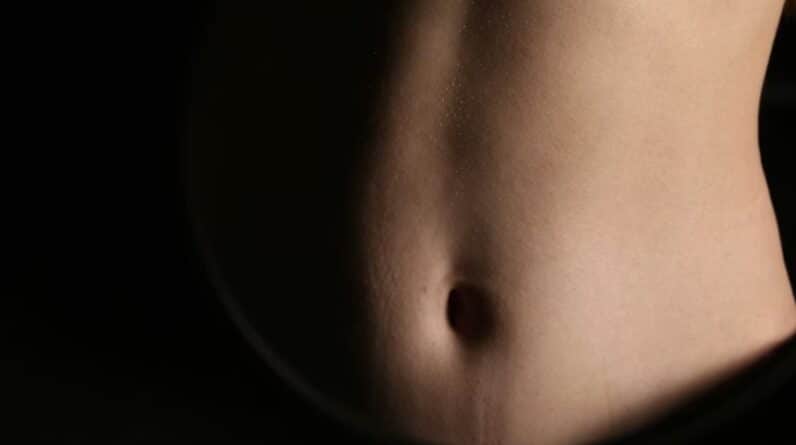
What is Six-Pack Abs For Women Post-Pregnancy?
Six-pack abs for women post-pregnancy refers to regaining visible abdominal muscle definition and core strength after giving birth. Pregnancy naturally stretches and weakens your abdominal muscles, especially the rectus abdominis—the muscle responsible for the “six-pack” look. Postpartum, your body undergoes significant changes, including diastasis recti (separation of abdominal muscles), hormonal shifts, and altered posture. This makes the journey to six-pack abs different from general fitness goals.
Understanding this distinction is key to setting realistic expectations and choosing the right exercises and strategies. Your focus should be on safely rebuilding your core, improving muscle tone, and reducing excess fat while respecting your body’s recovery timeline.
Why It Matters / Key Benefits
- Improved Core Strength: Strengthening your abs supports your back and pelvis, reducing postpartum pain and improving posture.
- Enhanced Physical Function: A strong core improves balance, stability, and overall fitness, making daily activities and childcare easier.
- Boosted Confidence: Achieving six-pack abs post-pregnancy can restore your body image and self-esteem.
- Reduced Risk of Injury: Proper abdominal strength helps prevent injuries from daily lifting, bending, and other movements in motherhood.
- Support for Diastasis Recti Healing: Targeted exercises can help close abdominal separation and restore muscle function.
Detailed Components / Types / Variations
When targeting six-pack abs for women post-pregnancy, it’s essential to understand the key muscle groups and variations involved:
- Rectus Abdominis: The vertical muscle that creates the six-pack appearance. Pregnancy often causes this muscle to stretch and separate.
- Transverse Abdominis (TVA): The deep core muscle that acts like a natural corset, critical for stabilizing your spine and pelvis.
- Obliques: Located on the sides of your abdomen, these muscles assist with twisting and side bending.
- Pelvic Floor Muscles: Though not part of the abs, these muscles work closely with your core and are often weakened postpartum.
Variations in postpartum six-pack abs development depend on factors like your pregnancy experience, delivery type, genetics, and fitness level before and after childbirth.
How It Works / Step-by-Step
Rebuilding six-pack abs post-pregnancy requires a careful, progressive approach. Here’s a step-by-step plan to guide you:
- Get Medical Clearance: Before starting any exercise, consult your healthcare provider to ensure you are ready.
- Assess Diastasis Recti: Check for abdominal separation by lying on your back and gently lifting your head. If you feel a gap, focus on healing exercises first.
- Start with Gentle Core Activation: Begin with pelvic tilts, diaphragmatic breathing, and TVA engagement exercises to rebuild foundational strength.
- Incorporate Pelvic Floor Training: Strengthening these muscles supports your core and prevents urinary incontinence.
- Progress to Low-Impact Core Workouts: Introduce modified planks, heel slides, and leg lifts as your strength improves.
- Add Resistance and Intensity: Use light weights or resistance bands to challenge your muscles safely.
- Combine with Cardiovascular Exercise and Nutrition: Fat loss is essential for visible abs, so include cardio and a balanced diet.
- Track Progress and Adjust: Regularly assess your strength, muscle tone, and diastasis recti status, modifying your routine accordingly.
Best Tools / Products / Services
Using the right tools can accelerate your journey to a six-pack after pregnancy. Here are some top recommendations:
- Postpartum Support Belts: Help support your abdominal muscles and reduce discomfort during exercise.
- Resistance Bands: Great for adding controlled resistance to core workouts without strain.
- Fitness Apps for Postpartum Women: Apps such as FitOn and Peloton offer tailored postpartum workouts focused on core rebuilding.
- Foam Rollers and Massage Tools: Aid muscle recovery and improve flexibility.
- Professional Services: Consider working with postpartum fitness specialists or physical therapists experienced in diastasis recti and core rehabilitation.
Mistakes to Avoid
- Rushing Into Intense Workouts: Starting high-impact or heavy core exercises too soon can worsen muscle separation or cause injury.
- Ignoring Diastasis Recti: Not addressing abdominal separation can delay recovery and limit your results.
- Neglecting Pelvic Floor Health: Failing to strengthen pelvic muscles can lead to incontinence and poor core stability.
- Overemphasizing Crunches and Sit-Ups: These can strain your weakened abs and cause more harm than good postpartum.
- Skipping Nutrition and Cardio: Visible abs require low body fat, so diet and cardiovascular exercise are essential.
Expert Tips / Action Plan
- Be Patient and Consistent: Postpartum core rebuilding takes time. Aim for gradual progress over weeks and months.
- Focus on Quality Movement: Prioritize proper form and controlled breathing during exercises.
- Incorporate Functional Training: Exercises that mimic daily movements improve strength and reduce injury risk.
- Use Mind-Body Techniques: Practices like Pilates and yoga can enhance core engagement and flexibility.
- Track Your Progress: Take photos, measure waist circumference, and note strength gains to stay motivated.
- Seek Support: Join postpartum fitness groups or hire a coach for accountability and expert guidance.
Mini-FAQ
| Question | Answer |
|---|---|
| How soon can I start working on six-pack abs after pregnancy? | Typically, you can begin gentle core activation exercises 6-8 weeks postpartum, but always get clearance from your healthcare provider first. |
| Can I get six-pack abs if I have diastasis recti? | Yes, with targeted rehabilitation exercises to close the muscle gap and rebuild strength, many women successfully regain abdominal definition. |
| Do I need special equipment to build six-pack abs post-pregnancy? | No, many practical exercises use just your body weight, but resistance bands and support belts can enhance your workouts safely. |
Achieving six-pack abs for women post-pregnancy is a rewarding journey that requires patience, the right approach, and respect for your body’s unique needs. By focusing on safe core strengthening, addressing diastasis recti, and combining exercise with proper nutrition, you can rebuild your abdominal muscles and regain confidence in your postpartum body.
If you’re ready to take the next step, explore specialized postpartum fitness programs and tools designed to support your transformation. Start your journey today with expert guidance and the best resources tailored just for you.
Discover top-rated postpartum fitness programs and gear here to safely and effectively reclaim your core strength.
Back to main guide: Six-Pack Abs For Women: Top Tips To Reveal Your Strongest Core

RELATED TOPICS ABOUT Six-Pack Abs For Women Post-Pregnancy
Effective Six-Pack Abs Workout for Post-Pregnancy Women
Achieving Six-Pack Abs for Women After Pregnancy: Tips and Tricks
Six-Pack Abs at Home for Women Post-Pregnancy
Six-Pack Abs Exercises Tailored For Post-Pregnancy Women
Time-Saving Six-Pack Abs Routine for Women After Baby
Proven Techniques for Six-Pack Abs For Women Post-Pregnancy
Six-Pack Abs For Post-Pregnancy Women: No Gym Needed
Easy Six-Pack Abs Workout for Women After Pregnancy
Six-Pack Abs Moves For Busy Women Post-Pregnancy
Six-Pack Abs For Post-Pregnancy Women: A Comprehensive Guide
30-Minute Six-Pack Abs Workout for Women Post-Pregnancy
Benefits of Six-Pack Abs Exercises for Women After Baby
Lunchtime Six-Pack Abs Routine for Women Post-Pregnancy
Six-Pack Abs Exercise Plan for Women After Pregnancy
Six-Pack Abs and Overall Body Toning For Post-Pregnancy Women
Daily Six-Pack Abs Routine for Women After Baby
Quick Six-Pack Abs Tips for Women Post-Pregnancy
Six-Pack Abs For Women Post-Pregnancy: Limited Time Workouts
Achieving Six-Pack Abs for Women After Pregnancy
Six-Pack Abs For Post-Pregnancy Women: A Step-By-Step Guide