
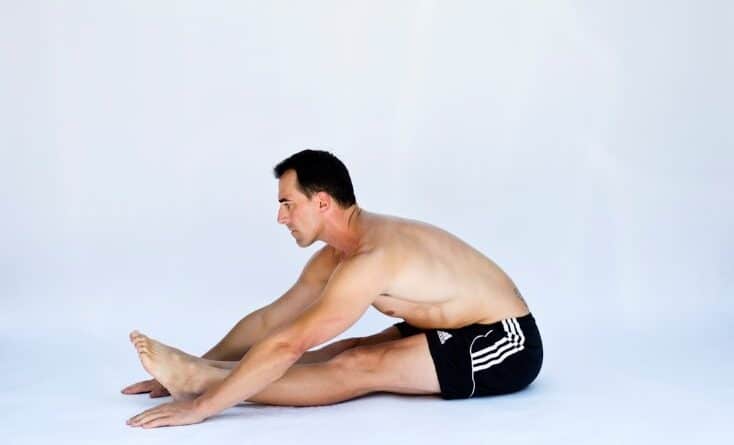
What is the Six-Pack Abs Routine For Posture And Stability?
When you think of a six-pack abs routine, the first image that comes to mind is often a chiseled midsection focused solely on looks. However, a six-pack abs routine for posture and stability is different. It’s a targeted workout plan that not only sculpts your abdominal muscles but also strengthens your core to support better posture and overall body stability.
This routine emphasizes functional strength, engaging deep core muscles such as the transverse abdominis and obliques, which play a crucial role in stabilizing the spine and pelvis. In other words, it’s about building abs that do more than look good—they help you stand taller, move more efficiently, and avoid injuries.
Why It Matters / Key Benefits
Focusing on a six-pack abs routine for posture and stability offers benefits that go beyond vanity:
- Improved Posture: Strong abs support your spine, helping you maintain an upright posture throughout the day.
- Enhanced Core Stability: A stable core improves balance and coordination, which is essential for all physical activities.
- Reduced Back Pain: Strengthening your core can reduce pressure on your lower back, reducing discomfort and the risk of injury.
- Better Athletic Performance: Improved stability and posture translate to greater power and control in sports and workouts.
- Injury Prevention: A strong core helps protect your body during lifting, twisting, and bending.
By integrating this routine into your fitness plan, you’re investing in a healthier, more resilient body.
Detailed Components / Types / Variations
A six-pack abs routine for posture and stability incorporates a variety of exercises targeting different abdominal layers and related muscles. Here are the main components:
1. Activation of Deep Core Muscles
Exercises like the plank and dead bug target the transverse abdominis, which acts as a natural corset, stabilizing your torso.
2. Oblique Strengthening
Side planks and Russian twists engage your obliques, improving rotational stability and posture alignment.
3. Dynamic Movements
Mountain climbers and hanging leg raises challenge your core under movement, enhancing functional stability.
4. Postural Alignment Exercises
Incorporating exercises like bird dogs and pelvic tilts helps reinforce proper spinal alignment and pelvic positioning.
5. Progressive Overload and Variation
To continually improve, you’ll vary intensity by adding resistance bands or weights, or by increasing hold times.
How It Works / Step-by-Step
Here’s a simple step-by-step guide to implementing a six-pack abs routine for posture and stability into your weekly workout:
- Warm-Up (5-10 minutes): Begin with light cardio and dynamic stretches focusing on your core and hips.
- Core Activation (5 minutes): Start with planks or dead bugs to engage deep core muscles.
- Main Routine (20-30 minutes): Perform three sets of 8-15 reps of each exercise, including:
- Side Planks (30-60 seconds per side)
- Russian Twists (with or without weight)
- Bird Dogs
- Mountain Climbers
- Hanging Leg Raises, or Lying Leg Raises
- Pelvic Tilts
- Cool Down (5 minutes): Gently stretch your hip flexors, lower back, and abs to improve flexibility.
- Consistency: Aim for 3-4 sessions per week, progressively increasing difficulty.
Remember, form is key. Focus on controlled movements and breathing to maximize posture benefits.
Best Tools / Products / Services
To enhance your six-pack abs routine for posture and stability, consider these tools and services:
- Yoga Mat: Provides cushioning and support during floor exercises.
- Resistance Bands: Add resistance to planks and twists for increased challenge.
- Stability Ball: Great for engaging core muscles with balance exercises.
- Ab Wheel Roller: Helps build core strength and control.
- Online Coaching Programs: Many platforms offer posture-focused core training plans tailored to your goals.
- Wearable Posture Trainers: Devices that provide feedback to maintain proper posture throughout the day.
Investing in the right equipment can make your routine more effective and enjoyable.
Mistakes to Avoid
When following a six-pack abs routine for posture and stability, steer clear of these common pitfalls:
- Neglecting Form: Poor technique can worsen posture and cause injury.
- Overtraining: Your core needs recovery time—avoid daily intense ab workouts.
- Focusing Only on Appearance: Don’t ignore deep core muscles and functional movements.
- Skipping Warm-Up or Cool-Down: These are essential for injury prevention and flexibility.
- Ignoring Breathing: Proper breathing supports core engagement and stability.
Addressing these mistakes ensures your routine is safe and effective.
Expert Tips / Action Plan
To get the most from your six-pack abs routine for posture and stability, follow these expert recommendations:
- Engage Your Core Mindfully: Visualize pulling your belly button toward your spine during exercises.
- Integrate Functional Movements: Include exercises that mimic daily activities or sports motions.
- Progress Gradually: Increase reps, sets, or resistance slowly to avoid burnout.
- Complement With Full-Body Workouts: Strong legs and back support overall posture.
- Maintain Consistency: Regular sessions lead to better posture and improved stability.
- Track Your Progress: Use a journal or app to note improvements in endurance and form.
By following this action plan, you’ll build a strong, stable core that supports your posture and daily activities.
Mini-FAQ
Q: How long does it take to see posture improvements from this routine?
A: Most people notice better posture and stability within 4-6 weeks of consistent training, but results vary based on individual effort and starting fitness level.
Q: Can I do a six-pack abs routine for posture and stability if I have back pain?
A: Yes, but it’s essential to start with gentle core activation exercises and consult a healthcare professional to tailor the routine safely.
Q: How often should I perform this routine?
A: Aim for 3-4 sessions per week, allowing rest days for muscle recovery and adaptation.
A six-pack abs routine for posture and stability is a wise investment in your health, combining the aesthetic appeal of toned abs with the functional benefits of a strong, balanced core. By focusing on proper form, varied exercises, and consistent practice, you’ll stand taller, move better, and reduce your risk. of injury
Ready to take your core training to the next level? Explore our curated selection of core-strengthening tools and expert-designed workout programs that simplify your journey to better posture and a rock-solid six-pack. Start today and feel the difference in every step you take!
Back to main guide: The Perfect Six-Pack Abs Routine: Weekly Schedule For Peak Results

RELATED TOPICS ABOUT Six-Pack Abs Routine For Posture And Stability
Easy Six-Pack Abs Routine for Improved Posture
Effective Six-Pack Abs Routine for Enhanced Stability
Improve Your Posture with this Six-Pack Abs Routine
Six-Pack Abs Routine to Boost Stability and Strength
Quick Six-Pack Abs Routine for Better Posture
Six-Pack Abs Routine: The Key to Body Stability
Daily Six-Pack Abs Routine for a Strong Posture
Six-Pack Abs Routine to Help Correct Your Posture
Six-Pack Abs Routine for Posture and Stability for Beginners
Six-Pack Abs Routine to Improve Balance and Stability
How a Six-Pack Abs Routine can Improve your Posture
Six-Pack Abs Workout Routine for Postural Stability
Master Your Posture with this Six-Pack Abs Routine
Six-Pack Abs Routine for Posture Correction and Stability
Six-Pack Abs Routine: Get Stable and Strong Posture
Six-Pack Abs Routine for Optimum Posture and Balance
The Benefits of Six-Pack Abs Routine on Posture and Stability
Achieving Perfect Posture with a Six-Pack Abs Routine
Six-Pack Abs Routine: Your Solution for Better Posture
Six-Pack Abs Routine: A Comprehensive Guide for Posture and Stability