
How to Plank
The plank exercise is a fundamental movement that has gained immense popularity in fitness. It is a simple yet effective way to engage multiple muscle groups simultaneously, making it a staple in many workout routines. When you perform a plank, you are essentially holding a position that mimics a push-up, but instead of moving up and down, you maintain a static hold.
This isometric exercise primarily targets your core muscles, including the rectus abdominis, obliques, and transverse abdominis, while also engaging your shoulders, back, and glutes. As you delve deeper into the mechanics of the plank, you will discover its versatility. The plank can be performed in various forms and adapted to suit different fitness levels.
Whether you are a beginner or an experienced athlete, understanding the plank’s foundational principles will help you maximize its effectiveness. Focusing on your body alignment and engaging the right muscles can create a strong base for your overall fitness journey.
Key Takeaways
- The plank exercise is a core-strengthening exercise that targets multiple muscle groups.
- Proper form and technique are crucial for maximizing the benefits of the plank exercise and preventing injury.
- There are various variations and modifications of the plank exercise to cater to different fitness levels and goals.
- Planking offers numerous benefits, including improved core strength, posture, and stability.
- Common mistakes to avoid during planking include sagging hips, holding breath, and overarching the lower back.
Proper Form and Technique
Mastering the Plank Position
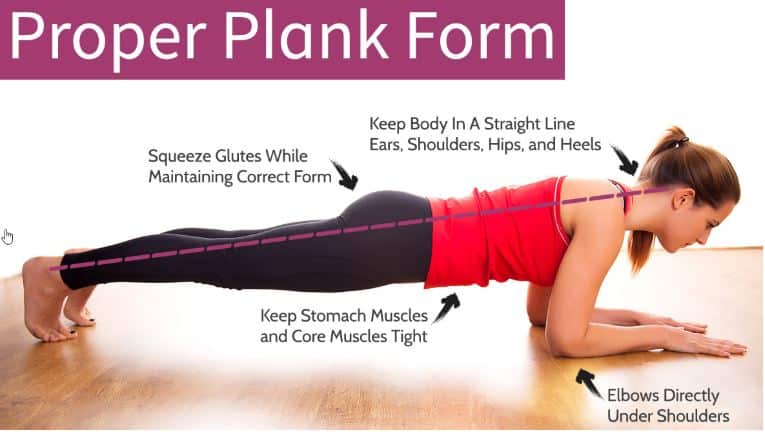
Mastering proper form and technique is crucial to reaping the full benefits of the plank exercise. Begin by positioning yourself on the floor, resting on your forearms and toes. Your elbows should be directly beneath your shoulders, and your body should form a straight line from your head to your heels.
Key Elements of Proper Form
Keeping your neck neutral is essential, avoiding strain by looking slightly ahead rather than directly down. Engaging your core is vital; think of pulling your belly button towards your spine to stabilize your torso. As you hold the plank position, pay attention to your hips. They should neither sag towards the ground nor rise too high; maintaining a neutral position is key to preventing lower back strain.
Additional Tips for Optimal Performance
Your legs should be straight and together, with your feet hip-width apart for stability. Remember to breathe steadily throughout the exercise; holding your breath can lead to unnecessary tension and fatigue. Focusing on these elements of form and technique will enhance your performance and reduce the risk of injury.
Variations and Modifications
One of the most appealing aspects of the plank exercise is its adaptability. If you find the standard plank too challenging or want to add variety to your routine, there are numerous variations and modifications to explore. For beginners, starting with a knee plank can be beneficial.
You can rest on your knees instead of balancing on your toes while maintaining the exact body alignment. This modification allows you to build strength gradually without compromising form. As you progress, consider trying side or forearm planks to target different muscle groups.
In a side plank, you balance on one forearm while stacking your feet on each other, engaging your obliques more intensely. Another option is the plank with shoulder taps, where you alternate tapping each shoulder with the opposite hand while maintaining stability in your core. These variations keep your workouts fresh and challenge your body in new ways, promoting overall strength and endurance.
Benefits of Planking
Incorporating planks into your fitness routine offers a multitude of benefits that extend beyond mere aesthetics. One of the primary advantages is improved core strength. A strong core is essential for overall stability and balance, translating into better performance in various physical activities.
By regularly practicing planks, you will develop greater control over your body movements, enhancing your ability to perform exercises like squats and deadlifts more effectively. Additionally, planking can contribute to better posture. As you strengthen your core muscles, you will find it easier to maintain an upright position throughout daily activities.
This can reduce back pain and discomfort associated with poor posture. Furthermore, planks engage multiple muscle groups simultaneously, making them an efficient exercise for building overall strength without requiring extensive equipment or a time commitment.
Common Mistakes to Avoid
While planking may seem straightforward, several common mistakes can hinder your progress or lead to injury. One frequent error is allowing the hips to sag or rise too high during the hold. This misalignment can place undue stress on your lower back and diminish the effectiveness of the exercise.
To avoid this mistake, focus on maintaining a straight line from head to heels and engage your core throughout the plank. Another mistake is holding your breath while planking. Many individuals instinctively hold their breath when exerting effort, which can lead to increased tension and fatigue.
Instead, practice steady breathing by inhaling your nose and exhaling your mouth. Additionally, be mindful of your shoulder positioning; avoid shrugging them up towards your ears. Keeping them relaxed and away from your ears will help maintain proper alignment and reduce tension in the neck.

Incorporating Planks into Your Workout Routine
Focus on Planks
If you’re looking for a quick yet effective core workout, consider dedicating a specific day to planks and their variations. You can create a circuit that includes different planks, such as forearm planks, side planks, and plank jacks, performing each for 30 seconds to one minute with short rest intervals in between.
Balance Your Workout
Alternatively, incorporate planks into your existing workouts as a complementary exercise if you prefer a more balanced approach. For instance, after completing a set of squats or lunges, take a moment to perform a plank hold before moving on to the next exercise.
Benefits of Planks
This enhances core engagement and allows active recovery between more intense movements.
Tips for Progression and Challenge
As with any exercise, progression is key to continued improvement and strength gains. Once you feel comfortable with the standard plank hold, consider gradually increasing the duration of each hold. Aim for small increments—adding 10 to 15 seconds each week—to challenge yourself without risking injury.
You can also explore advanced variations, such as plank reaches or stability ball planks, requiring excellent balance and coordination. Another effective way to progress is by incorporating dynamic movements into your planking routine. For example, try transitioning from a forearm plank to a high plank (push-up position) or adding leg lifts while holding the plank position.
These variations increase the intensity and engage additional muscle groups, providing a comprehensive workout that keeps you motivated.
Precautions and Considerations
While planking is generally safe for most individuals, there are certain precautions and considerations to consider before incorporating it into your routine. If you have any pre-existing injuries or conditions related to the back or shoulders, consult with a healthcare professional or certified trainer before attempting planks or any new exercise regimen. Listen to your body during workouts; if you experience pain or discomfort while holding a plank position, it may indicate that you’re not using the proper form or pushing yourself too hard.
Always prioritize quality over quantity; it’s better to hold a plank for a shorter duration with correct form than to struggle through longer holds that could lead to injury. By being mindful of these considerations, you can enjoy the many benefits of planking while minimizing risks associated with improper technique or overexertion.
If you’re interested in fitness and looking to take your passion to the next level, check out this article on becoming a personal trainer. Becoming a personal trainer requires discipline and consistency, like mastering the plank exercise. Celebrating milestones along the way is also essential in both fitness journeys and professional development. So, if you’re ready to take your fitness goals to the next level, consider exploring the world of personal training.
FAQs
What is planking?
Planking is a core-strengthening exercise involving a position similar to a push-up but with the body weight supported on the forearms, elbows, and toes.
What are the benefits of planking?
Planking strengthens the core muscles, including the abdominals, back, and shoulders. It also improves posture, balance, and overall stability.
How do you perform a plank?
To perform a plank, start by getting into a push-up position. Then, bend your elbows and rest your weight on your forearms. Keep your body straight from head to heels, engage your core, and hold the position for a set time.
How long should you hold a plank?
The time you should hold a plank depends on your fitness level. Beginners may start with 20-30 seconds, while more advanced individuals may have a plank for 1-2 minutes or longer.
Are there different variations of planking?
Yes, there are several variations of planking, including side planks, forearm planks, and planks with leg lifts. These variations target different muscle groups and add variety to the exercise.
Another Tips About How to Plank
Planking is a popular core strengthening exercise that can help improve posture, balance, and overall fitness. It is simple yet effective and can be done anywhere, anytime. In this blog post, we will discuss the proper form and technique for planking and offer some tips to help you get the most out of this exercise.

Proper Form and Technique
When performing a plank, it is essential to maintain proper form to avoid any strain or injury. Here are some tips to help you perfect your plank –
- Start in a push-up position with your hands directly under your shoulders.
- Engage your core muscles by pulling your belly button towards your spine.
- Keep your body in a straight line from head to heels making sure not to let your hips sag or lift too high.
- Hold the position for at least 20 to 30 seconds, focusing on breathing deeply and keeping your muscles engaged.
- To increase the challenge, try different plank variations, such as side or forearm planks.
Remember to listen to your body and stop if you feel any pain or discomfort. It is better to start with shorter holds and gradually increase your time as you get stronger.
Tips for a Killer Plank
Here are some tips to help you take your planking to the next level –
- Focus on quality over quantity. It is better to hold a proper plank for a shorter time than to do a longer plank with poor form.
- Engage your glutes and leg muscles to help stabilize your body and increase the intensity of the exercise.
- Try adding movement, such as lifting one leg or arm at a time, to challenge your core muscles even more.
- Visualize a straight line from your head to your heels and focus on keeping your body in that position throughout the hold.
By following these tips and techniques, you can master plank exercises and see improvements in your core strength and overall fitness level.
Benefits of Planking
Planking offers a variety of benefits for your body and overall health. Some of the key benefits of planking include –
- Improved core strength and stability
- Better posture and alignment
- Increased balance and coordination
- Stronger back muscles, which can help prevent injury
- Enhanced overall fitness level
By incorporating planks into your regular exercise routine, you can reap these benefits and improve your overall health and well-being.
Planking is a simple yet effective exercise that can help improve your core strength, posture, and overall fitness level. By following the proper form and technique and incorporating some tips and variations, you can take your planking to the next level and see great results. So, next time you hit the gym or workout at home, don’t forget to include some planks in your routine!
Related Topics About How to Plank
How Long To Plank Each Day,
How To Do Plank Exercise Correctly,
How To Do The Plank,
How To Plank Correctly For Beginners,
How To Plank Easy, How To Plank In Bed,
How To Plank On Elbows,
How To Plank Step By Step,
How To Plank Up And Down