
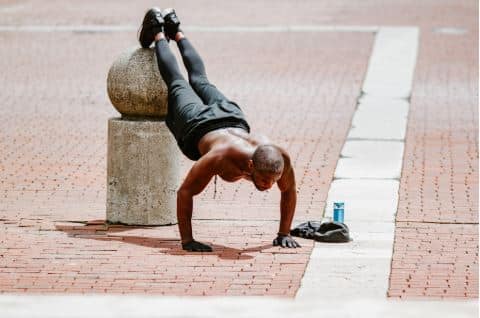
Core Strength Vs Stability
When you think about core strength, you might picture a chiseled abdomen or a fitness enthusiast performing impressive planks. However, core strength encompasses much more than just aesthetics. It refers to the ability of your body to stabilize and control movement through the muscles in your abdomen, lower back, hips, and pelvis.
These muscles work together to support your spine and maintain proper posture, which is essential for overall physical health. Developing core strength enhances your athletic performance and improves your daily functional movements. Your core acts as a powerhouse for your body, providing the necessary support for almost every movement you make.
Whether lifting heavy objects, running, or even sitting at your desk, a strong core helps distribute forces evenly throughout your body. This distribution minimizes the risk of injury and allows you to perform tasks with greater efficiency. Understanding the role of core strength in your overall fitness journey is crucial, as it lays the foundation for more advanced exercises and activities.

Key Takeaways
- Core strength refers to the muscles in the abdomen, back, and pelvis that work together to support the spine and provide stability for the body.
- Stability is crucial for maintaining proper posture, preventing injury, and improving overall balance and coordination.
- Core strength exercises include planks, crunches, and leg raises, which target the abdominal and back muscles.
- Stability exercises, such as single-leg stands, stability ball exercises, and yoga poses, focus on improving balance and control.
- Core strength and stability are closely linked, as a strong core provides the foundation for stability and proper movement throughout the body.
The Importance of Stability
Stability is a critical component of physical fitness that often goes hand in hand with core strength. It refers to your body’s ability to control its position and movement, especially during dynamic activities. With good stability, you can perform exercises and daily tasks with greater ease and less risk of injury.
This is particularly important in activities requiring balance, coordination, and agility, such as sports or simple movements like walking or climbing stairs. Incorporating stability into your fitness routine can improve performance in various physical activities. For instance, if you’re an athlete, having a stable core allows you to execute complex movements with precision and power.
Stability is vital in everyday life even if you’re not an athlete. It helps you maintain balance while standing or moving, reducing the likelihood of falls and injuries. Focusing on stability training can enhance your overall physical capabilities and ensure your body functions optimally.
Core Strength Exercises

To build core strength effectively, you must engage in various exercises targeting different muscle groups within your core. Traditional exercises like crunches and sit-ups are often the first that come to mind, but they only scratch the surface of what’s possible. Planks are an excellent way to engage multiple muscle groups simultaneously while promoting stability.
By holding a plank position, you activate not only your abdominal muscles but also your shoulders, back, and glutes. Another effective exercise is the dead bug, which challenges your coordination while strengthening your core. By lying on your back with your arms extended toward the ceiling and legs raised at a 90-degree angle, you can alternate lowering opposite limbs while maintaining a stable core.
This exercise builds strength and enhances your ability to control movement, which is essential for overall stability. Incorporating various exercises into your routine will ensure you develop a well-rounded core that supports all your physical activities.
Stability Exercises
Stability exercises challenge balance and coordination while engaging your core muscles. One popular exercise is the single-leg balance, in which you stand on one leg while maintaining an upright posture. This simple yet effective exercise forces your body to engage stabilizing muscles throughout your core and lower body.
You can increase the difficulty by closing your eyes or performing small movements with your free leg. Another excellent stability exercise is the stability ball roll-out. This exercise challenges your strength and stability by kneeling before a stability ball and rolling it forward while keeping your core engaged.
This exercise requires control and balance as you extend your body forward, making it an effective way to enhance core stability. Incorporating these types of exercises into your routine will improve your balance and contribute to overall core strength.
How Core Strength and Stability are Linked
The relationship between core strength and stability is intricate and essential for optimal physical performance. A strong core provides the foundation for stability during movement; maintaining balance becomes more effortless. When you engage in activities that require coordination and control, such as running or jumping, a stable core allows for efficient energy transfer throughout your body.
This means every movement becomes more effective when core strength and stability are present. Moreover, when you lack core strength, you may compensate with other muscle groups, leading to imbalances and potential injuries. For instance, if your abdominal muscles are weak, you might rely more heavily on your lower back during physical activities, resulting in strain or discomfort.
By understanding how these two elements are interconnected, you can create a more effective training program that simultaneously addresses core strength and stability.
Benefits of Core Strength and Stability

Improved Posture and Reduced Musculoskeletal Issues
A strong core supports proper spine alignment, reducing the risk of slumping or developing musculoskeletal issues over time. Improved posture contributes to better physical appearance and alleviates strain on muscles and joints.
Increased Functional Fitness
Focusing on core strength and stability can lead to increased functional fitness. This means that everyday activities—such as lifting groceries, playing with children, or gardening—become more manageable and safer as you develop a stronger foundation.
Enhanced Athletic Performance
Regular core training can enhance athletic performance by improving power output and agility in sports activities. This ultimately leads to better overall performance and a competitive edge.
A Stronger Foundation for Life
Ultimately, investing time in building core strength and stability pays off in numerous aspects of life. By developing a stronger core, you can improve your posture, increase your functional fitness, and enhance your athletic performance, leading to a better quality of life.
Common Misconceptions
Despite the growing awareness of the importance of core strength and stability, several misconceptions may hinder individuals from fully embracing these concepts in their fitness routines. One common myth is that core training is about achieving visible abs or a flat stomach. While aesthetics can motivate some, core strength goes far beyond appearance; it’s about functionality and overall health.
Another misconception is that only advanced athletes must focus on core strength and stability. Everyone can benefit from these elements regardless of their fitness level or goals. Whether you’re a beginner looking to improve daily movements or an experienced athlete aiming for peak performance, incorporating core training into your routine is essential for everyone.
By dispelling these myths, you can better appreciate the value of developing a strong and stable core.
Incorporating Core Strength and Stability into Your Fitness Routine
To effectively incorporate core strength and stability into your fitness routine, start by assessing your current fitness level and identifying areas for improvement. Begin with foundational exercises that target both aspects simultaneously—such as planks or bird dogs—and gradually increase the intensity as you become more comfortable. Aim to include these exercises at least two to three times per week for optimal results.
Also, could you consider integrating stability challenges into other workouts? For example, maintain balance by engaging your core throughout the movement when performing squats or lunges. You can also use tools like stability balls or balance boards to add variety and challenge to your routine.
Remember that consistency is key; over time, you’ll notice improvements in core strength and overall stability that will enhance your workouts and daily life. In conclusion, understanding the significance of core strength and stability is vital for anyone looking to improve their fitness journey. By recognizing how these elements are interconnected and incorporating targeted exercises into your routine, you can reap numerous benefits beyond physical appearance.
Embrace the challenge of building a strong and stable core; it will serve as a solid foundation for all aspects of your health and well-being.
If you want to learn more about getting a six-pack, check out this article. This article provides tips and techniques for achieving a toned and defined midsection through proper diet and exercise. Understanding the importance of core strength and stability is crucial in achieving your fitness goals, and this article can help guide you in the right direction.
FAQs
What is core strength?
Core strength refers to the ability of the muscles in the abdomen, pelvis, lower back, and hips to work together to support the spine and maintain stability during movement.
What is stability?
Stability refers to the body’s ability to maintain a controlled and balanced position during movement or at rest. It involves coordinating muscles, joints, and the nervous system to prevent excessive movement or instability.
What is the difference between core strength and stability?
Core strength refers explicitly to the strength of the muscles in the core region, while stability is the overall ability of the body to maintain control and balance. Core strength is a component of stability, but stability also involves other factors such as joint mobility, proprioception, and neuromuscular control.
Why are core strength and stability necessary?
Both core strength and stability are essential for overall physical health and performance. They help prevent injuries, improve posture, support the spine, and enhance athletic performance.
How can I improve my core strength and stability?
Core strength and stability can be improved through exercises such as planks, dead bugs, bird dogs, and stability balls. Incorporating functional movements and balance exercises into your workout routine is also essential.
Can core strength and stability training help with back pain?
Yes, strengthening the core muscles and improving overall stability can help alleviate back pain by providing better support for the spine and reducing the risk of injury. However, consulting with a healthcare professional before starting any new exercise program for back pain is essential.
Another Tips About Core Strength vs Stability
Core strength and stability are often used interchangeably regarding fitness and overall health. However, two distinct concepts play essential roles in the body. This blog post will explore the differences between core strength and stability and their benefits for overall health and fitness.
Core Strength
Core strength refers to the ability of the muscles in the abdomen, pelvis, lower back, and hips to work together effectively. When these muscles are strong, they support the spine and help with daily activities such as bending, twisting, and lifting. A strong core can also improve posture and reduce the risk of injury during physical activity.
Benefits of Core Strength
- Improved posture
- Reduced risk of back injury
- Increased stability
Core strength can be developed through planks, crunches, and deadlifts. Incorporating these exercises into your fitness routine can strengthen your core and improve your overall physical performance.
Core Stability
Core stability, on the other hand, refers to the ability of the core muscles to maintain a strong and steady position during movement. This stability type is crucial for running, jumping, and lifting heavy weights. A stable core allows the limbs to move more efficiently and reduces the risk of injury.
Benefits of Core Stability
- Improved balance
- Enhanced performance in sports and physical activities
- Reduced risk of falls and injuries
Exercises such as planks, bird dogs, and stability balls can improve core stability. Focusing on stability training can also enhance balance coordination and overall athletic performance.
So Which is Better?
Both core strength and stability are essential components of a well-rounded fitness routine. While core strength focuses on building strong muscles, core stability emphasizes maintaining a steady and controlled position during movement. Ideally, it would be best if you incorporated exercises that target both aspects of core fitness to achieve optimal results.
Tips for Improving Core Strength and Stability
- Include a variety of exercises in your routine, such as planks, crunches, bird dogs, and stability ball exercises
- Focus on proper form and technique to maximize the benefits of each exercise
- Gradually increase the intensity and duration of your core workouts to challenge your muscles and improve your overall fitness
Prioritizing core strength and stability in your fitness routine can enhance your overall health and physical performance. Whether you are a beginner or a seasoned athlete, incorporating these key components into your workouts can help you achieve your fitness goals and improve your quality of life.
Remember, a strong core is the foundation of a healthy body. Prioritize your core fitness and reap the benefits of improved posture, reduced risk of injury, and enhanced athletic performance.
Related Topics About Core Strength Vs Stability
Core Stability Vs Core Strength,
Core Strength Stability Test,
Core Strength Vs Core Stability,
Strong Core Vs Weak Core,
What Is The Difference Between Core Strength And Core Stability