
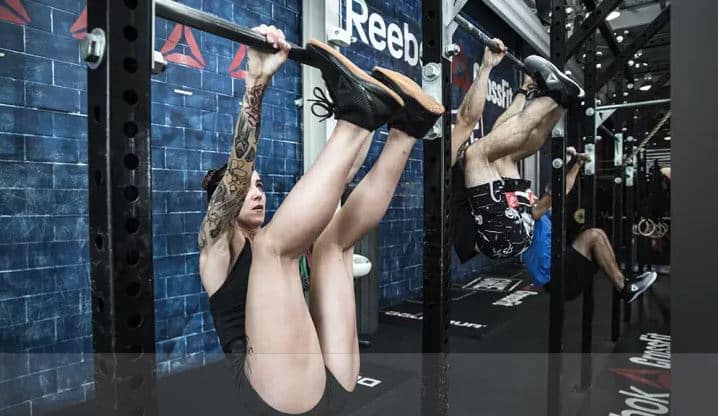
Core Strength Crossfit
Have you ever wondered how crucial core strength is in your fitness journey? Whether lifting weights, doing cardio, or participating in a high-energy CrossFit workout, a strong core can significantly impact your performance and reduce the risk of injury. Let’s unpack the importance of core strength in CrossFit and how you can enhance it.
Understanding Core Strength
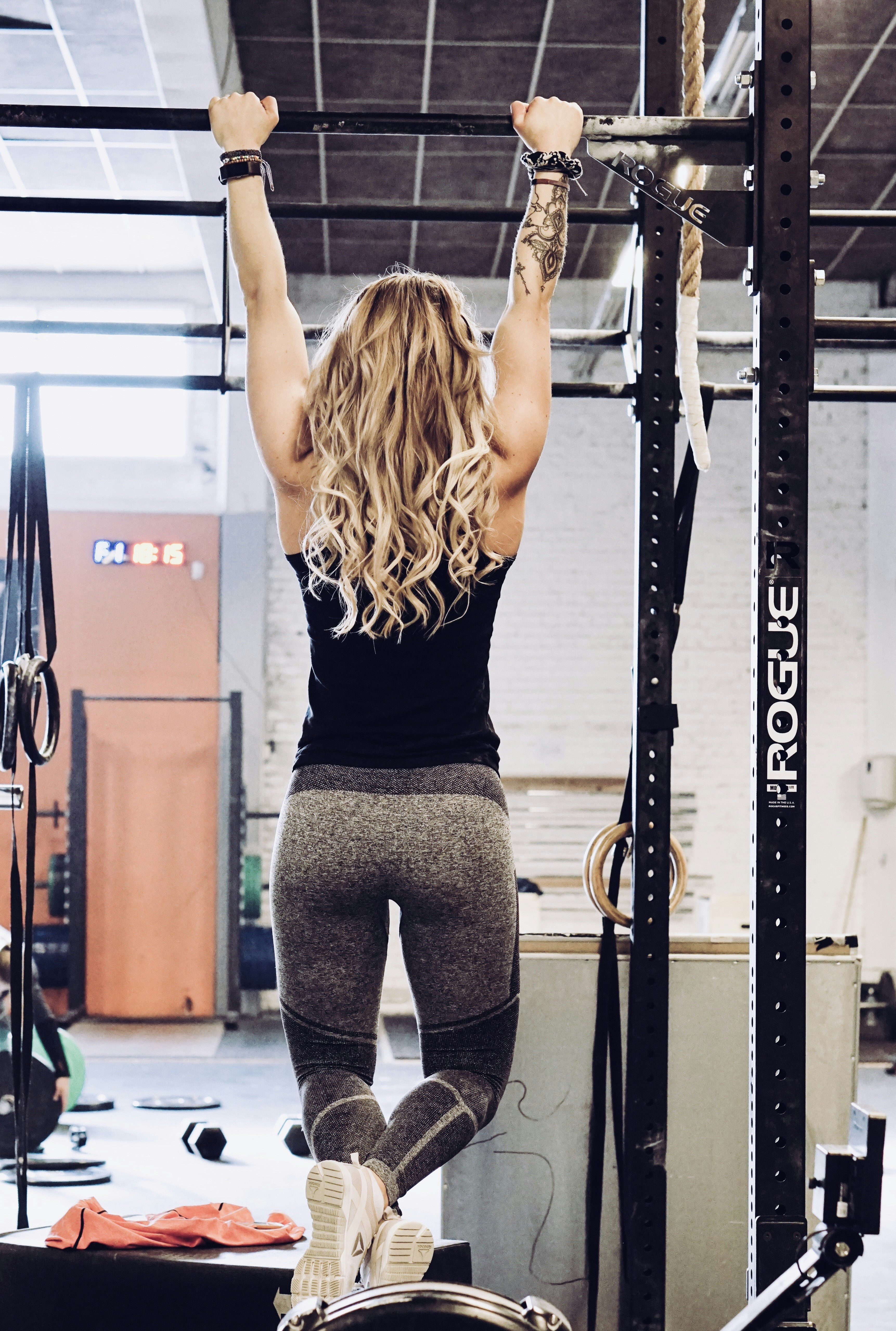
Core strength refers to the ability of your trunk muscles to work in harmony to support your body. This includes the “six-pack” abdominals and your obliques, back, hips, and pelvis. A strong core stabilizes your body, improves your balance, and allows you to execute movements with better efficiency. Without it, you could struggle in various physical activities, including daily tasks!
Why Core Strength Matters in CrossFit
In the realm of CrossFit, a robust core is not just an accessory—it’s a necessity. Think of your core as the central hub that connects your upper and lower body, enabling you to perform complex movements effectively. Here’s how core strength plays a role in CrossFit:
- Enhanced Performance: A strong core allows you to lift heavier weights and perform more reps. It stabilizes Olympic lifts, kettlebell swings, and other dynamic movements.
- Injury Prevention: Weak core muscles can lead to poor posture and imbalances, increasing your risk of injury. A strong core helps maintain proper alignment, reducing strain on your spine and joints.
- Improved Endurance: Core strength contributes to overall endurance. In high-intensity workouts, having a powerful core helps you maintain form, allowing for longer-duration activities without fatigue.
- Better Balance: Balance is key to executing movements safely and efficiently, whether during a squat, a deadlift, or a box jump. A robust core translates to improved balance and coordination.
Core Strength Exercises in CrossFit
When you’re looking to build core strength specifically for CrossFit, specific exercises can be more effective than others. Here’s a breakdown of essential movements targeting different core muscle groups.
Planks
Planks are a simple yet powerful exercise for developing core strength. They engage multiple muscles, including your abs, back, and shoulders.
- How to Perform:
- Start on your hands and toes, keeping your body straight.
- Hold this position for 20-60 seconds, focusing on tucking your pelvis to engage your core.
Deadlifts
Deadlifts are not only great for your posterior chain but also your core. They require significant stabilization to perform correctly.
- How to Perform:
- Stand with your feet about hip-width apart with a barbell over your midfoot.
- Bend at your hips and knees, grip the bar, and lift while keeping your back straight.
Russian Twists
Russian twists are fantastic for building rotational core strength, which is vital for many CrossFit movements.
- How to Perform:
- Sit on the ground with your knees bent and lean back slightly.
- Hold a weight with both hands and rotate your torso to one side, then the other.
Wall Balls
Wall balls are a compound movement that works your entire body while heavily engaging your core.
- How to Perform:
- Stand a few feet away from a wall, holding a medicine ball at your chest.
- Squat down, then come up and throw the ball against the wall, catching it as it comes back down.
Lateral Barbell Raises
While often overlooked, lateral movements are essential for developing stabilizing muscles in the core.
- How to Perform:
- Stand with feet shoulder-width apart while holding a barbell before you.
- Raise the barbell laterally until your arms are parallel to the ground, engaging your core throughout.
Sit-Ups
A classic core exercise, sit-ups can help build strength in your abdominal muscles.
- How to Perform:
- Lie on your back, knees bent, and feet flat on the floor.
- Engage your core as you lift your upper body towards your knees, then lower back down.
Kettlebell Swings
Kettlebell swings work your hips, glutes, and core, emphasizing explosive movement and stability.
- How to Perform:
- Stand with your feet shoulder-width apart, holding a kettlebell with both hands.
- Hinge at the hips and swing the kettlebell between your legs, then thrust your hips forward to swing it to eye level.
Integrating Core Work into Your CrossFit Routine
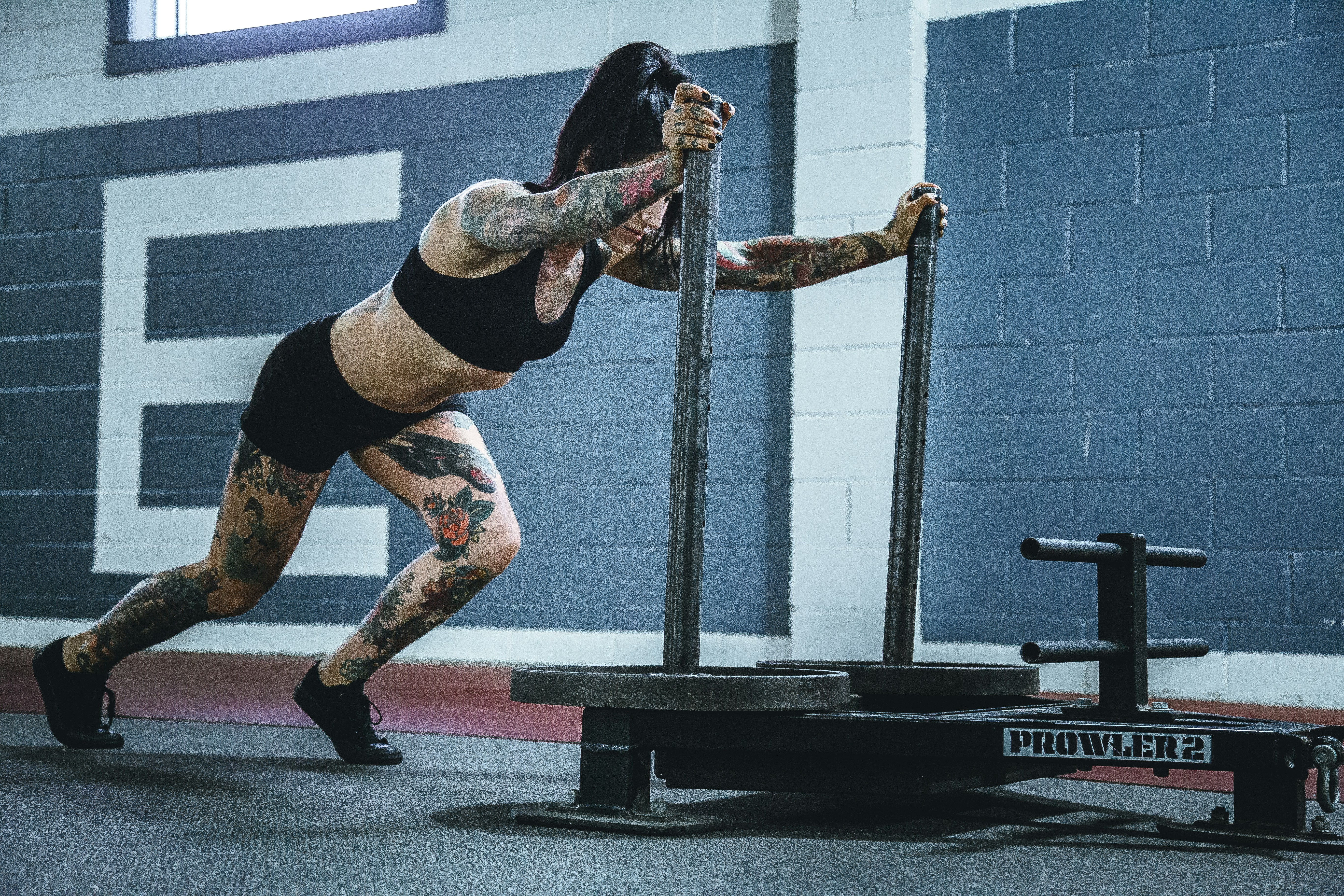
Integrating core-strengthening exercises into your CrossFit routine can happen in various ways. You can either dedicate specific days to core training or include them in your warm-up or cooldown routines. Here are a few strategies:
Dedicated Core Days
You might want to set aside specific workout days focusing solely on core training. This allows you to target those muscles with various exercises without getting sidetracked by other movements.
Warm-Up Routine
Could you incorporate core work into your warm-up? This will prime your muscles for the workout while enhancing your overall stability.
Example Warm-Up:
- 5-minute jog or row
- 30-second plank
- 15 sit-ups
- 10 Russian twists
Cool Down
It would be best to consider adding gentle stretches and core exercises to your cooldown. This will allow the core to recover while remaining engaged.
Nutrition for Core Strength
Building core strength isn’t just about what you do in the gym; it’s also about what you put into your body. A balanced diet is essential if you’re looking to build muscle and lose fat. Here’s what you might consider:
Protein Intake
Protein is crucial for muscle recovery and growth. Including lean protein sources like chicken, fish, eggs, and plant-based proteins in your diet can help you meet your daily requirements.
Healthy Fats
Incorporate healthy fats from sources like avocados, nuts, and olive oil. These fats support hormone production and overall health, which is essential when training intensively.
Carbohydrates for Energy
Carbohydrates are your fuel. Eating complex carbohydrates such as whole grains, fruits, and vegetables can help sustain your energy levels through workouts.
Staying Hydrated
Remember to underestimate the power of hydration. Staying well-hydrated helps your body perform optimally and supports muscle recovery.
Importance of Recovery
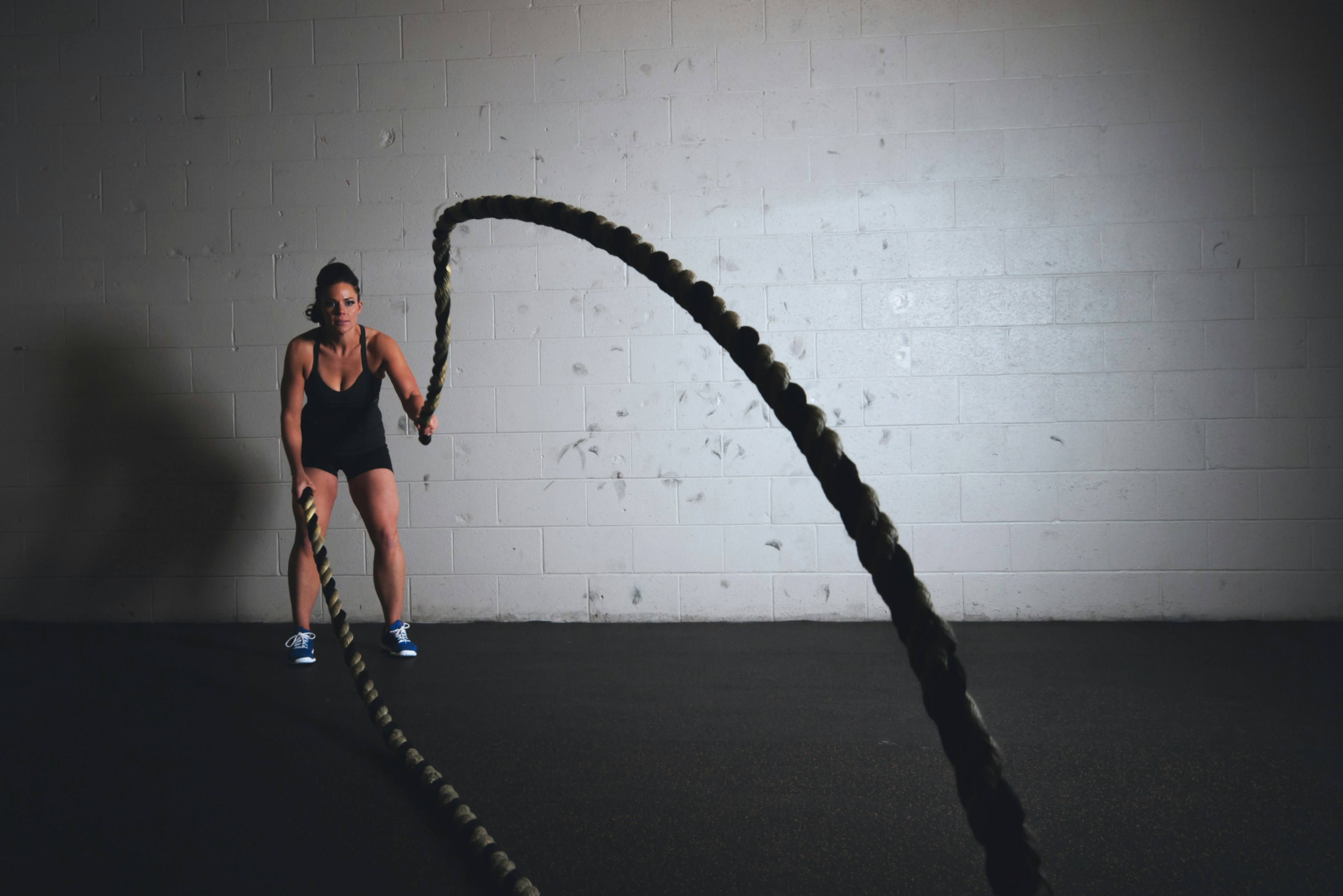
Like any muscle group, your core muscles need time to recover after workouts. Listening to your body and allowing adequate rest is essential for growth and performance. Here are a few recovery tips:
Rest Days
Adding rest days to your workout routine allows your muscles, including the core, to repair and strengthen. Aim for at least one or two weekly rest days, depending on your workout intensity.
Stretching and Mobility Work
Engaging in stretching or yoga can aid in recovery. It helps reduce soreness while improving flexibility, which is vital for performance.
Foam Rolling
A foam roller can alleviate tension in your core muscles and other areas. On recovery days, spend 10-15 minutes foam rolling to enhance blood flow and reduce muscle tightness.
Setting Goals for Core Strength
Setting attainable goals can help you measure your progress and stay motivated to enhance your core strength through CrossFit.
SMART Goals
Consider using the SMART criteria—specific, Measurable, Achievable, Relevant, and Time-bound. For example, you might set a goal like, “I want to hold a plank for 90 seconds in four weeks.” This takes into account both progress and accountability.
Tracking Progress
Keep a journal or use fitness apps to log your workouts—track improvements in core exercises, weight lifted, or even how you feel during sessions. Recognizing progress can increase your motivation and drive.
Finding the Right Classes or Coaches
If you’re new to CrossFit or uncertain about the proper technique for core exercises, don’t hesitate to seek professional guidance. Look for certified coaches or classes that emphasize core training. Personalized coaching can help you perform exercises correctly, maximizing your efforts while avoiding injury.
Community Support
One of CrossFit’s unique aspects is the sense of community it fosters. Engaging with fellow members provides a supportive environment that can make one’s fitness journey more enjoyable and achievable.
Partner Workouts
Please consider teaming up with a workout partner to share your goals. A partner can aid your motivation and ensure you stay accountable during training sessions.
Group Classes
Joining a group class can provide the benefit of camaraderie, motivating you to push yourself harder. You can also learn new techniques and share tips with fellow members.
Strengthening your core through CrossFit isn’t just about aesthetics; it’s about building a solid foundation for your entire body. With improved balance, performance, and a significant reduction in injury risk, focusing on core workouts will undoubtedly elevate your fitness game.
As you achieve your fitness goals, incorporate core exercises, proper nutrition, recovery techniques, and community support. This enhances your physical abilities and brings a sense of satisfaction from functional strength as you conquer new challenges in and out of the gym.
The Importance of Core Strength in Crossfit
A strong core is essential when improving your fitness and performance in CrossFit. Core strength is the foundation for all movements in CrossFit, from lifting heavy weights to performing gymnastics skills. Without a strong core, you are more prone to injury and less likely to reach your full potential.
Benefits of Core Strength in Crossfit
There are several benefits to having a strong core in Crossfit –
- Improves overall stability and balance
- Enhances performance in all movements
- Reduces the risk of injury
- Increases power and efficiency
Focusing on core strengthening exercises can improve CrossFit performance and help you reach your fitness goals more effectively.
Core Strengthening Exercises
There are a variety of exercises that can help strengthen your core for Crossfit. Some practical exercises include –
- Planks
- Russian Twists
- Deadlifts
- Leg Raises
Incorporating these exercises into your regular CrossFit routine can help improve your core strength and overall performance.
Core Strength and Crossfit Movements
Having a strong core is particularly important for specific Crossfit movements such as –
- Olympic lifts
- Toes to bar
- Handstand push-ups
By strengthening your core, you can improve your technique and efficiency in these movements, leading to better performance and results in your CrossFit workouts.
Additional Tips for Core Strength in Crossfit
In addition to core strengthening exercises, there are a few other tips to help improve your core strength in Crossfit –
- Focus on proper form and technique in all movements
- Engage your core throughout your workouts
- Include core-specific exercises in your warm-up and cool-down routines
- Listen to your body and rest when needed to prevent overtraining
By following these tips and incorporating core strengthening exercises into your CrossFit routine, you can improve your performance, reduce the risk of injury, and reach your fitness goals more effectively.
Related Topics About Core Strength Crossfit
Core Strength Training Crossfit,
Core Workout Crossfit Wod,
Is Core Strength Important,
Is Crossfit Strength Training,
Is Crossfit The Hardest Workout,
What Is Core Strength