
Core Strength Kids
What if building core strength in kids could transform their physical abilities and boost their confidence? As parents, caregivers, or educators, understanding how to foster this vital aspect of physical development can lead to healthier, more active lives for children.
Understanding Core Strength
Core strength is the stability and strength of your abdomen, back, and pelvis muscles. These muscles play a crucial role in almost every movement you make, from simple everyday tasks to more complex physical activities. Core strength is significant for kids as they grow and explore their physical capabilities.
Why is Core Strength Important for Kids?
Developing core strength in children is essential for several reasons. Not only does it contribute to better posture and balance, but it also minimizes the risk of injuries during physical activities. Strong core muscles can enhance athletic performance, improve coordination, and boost self-esteem. In a world where technology often leads to sedentary lifestyles, ensuring kids have muscular core strength can promote a more active and healthier life.
Benefits of Core Strength in Children
The advantages of fostering core strength in children are manifold:
- Improved Posture: A strong core helps maintain proper body alignment, reducing the likelihood of slouching.
- Enhanced Athletic Performance: Many sports require good core stability, which can lead to better performance.
- Injury Prevention: Strong core muscles support and protect the spine and internal organs, reducing injury risks during physical activities.
- Better Balance and Coordination: A stable core aids in a child’s ability to balance, which is vital for growth and development.
- Increased Confidence: Children often feel more confident in their abilities as they gain strength and skill.
How to Assess Core Strength in Kids
Before diving into exercises, it’s essential to understand how to assess a child’s core strength. Here are a few simple tests you can apply at home:
Plank Test
This test evaluates endurance and stability:
- Have your child lie face down on a mat.
- Ask them to lift their body off the ground, resting on their forearms and toes.
- Check how long they can hold this position. Aim for at least 20–30 seconds.
Sit-Up Test
This observes dynamic strength:
- Ask your child to lie on their back with their knees bent and feet flat on the floor.
- Measure how many sit-ups they can complete in one minute. A good target is around 10–15.
Bridge Test
To assess glute and lower back strength:
- Your child lies on their back with their knees bent and feet on the floor.
- Have them lift their hips towards the ceiling and hold this position for 10 seconds. See how many they can do in a minute.
Fun Ways to Build Core Strength in Kids
Transforming core strength training into a fun family activity will keep kids engaged and ensure they look forward to staying active. Here are some enjoyable ways to build core strength:
Obstacle Course Challenges
Designing a backyard or indoor obstacle course can be an exciting way for kids to engage their cores. Activities can include crawling under tables, jumping over pillows, or balancing on a line drawn on the ground.
Yoga for Kids
Yoga is an excellent way to enhance core strength while promoting relaxation and focus. Simple poses like the boat, plank, and bridge can be modified for kids.
Sample Yoga Poses for Core Strength:
| Pose | Description |
|---|---|
| Boat Pose | Sit with your knees bent, lean back slightly, and lift your feet off the ground. Hold this position, keeping your core engaged. |
| Plank | Have your child hold a plank position, focusing on keeping the body straight. |
| Bridge | Lie on the back and lift your hips while pushing through the feet. |
Dancing
Put on some music and let the kids dance! Dancing engages muscles throughout the body, particularly the core, and it’s an enjoyable way to promote physical activity. You can even create dance-offs or follow along with children’s dance videos online.
Playing Sports
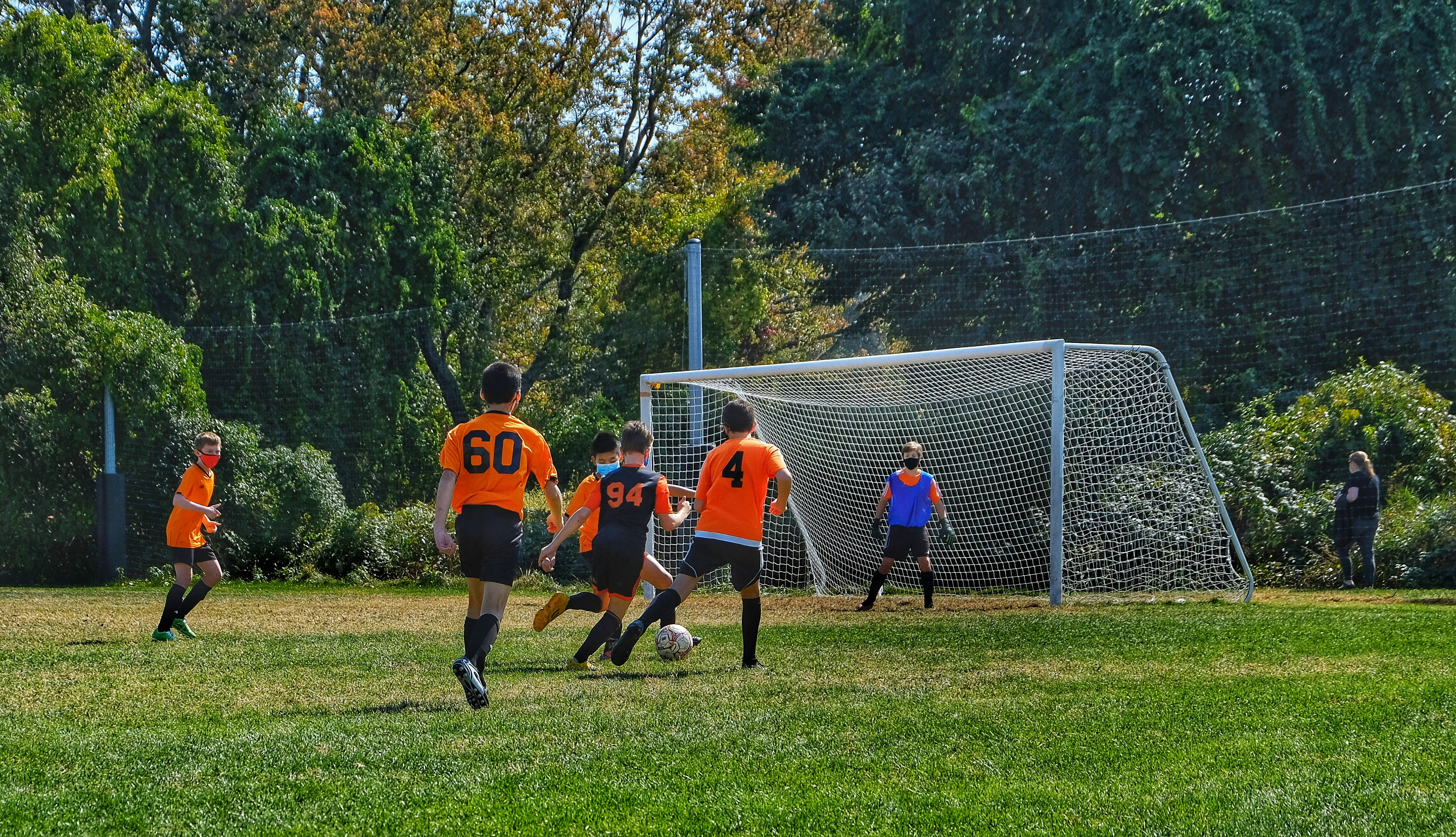
Outdoor or indoor sports can significantly enhance a child’s core strength as various movements engage these muscles. Think soccer, gymnastics, swimming, or even tag!
Balance Games
Incorporating balance games helps foster stability and core control. Consider activities like:
- Balancing on one foot
- Standing on a balance board or beam
- Playing games like “Simon Says” that include balance instructions
Age-Appropriate Core Strength Activities
Different age groups may require varied approaches to core strength activities. You can tailor exercises to suit developmental stages.
Ages 2-4: Playful Movement
For toddlers, movements should be simple and playful. Encourage activities like:
- Crawling games
- Simple Yoga poses
- Dancing and singing with actions
Ages 5-7: Structured Play
Introduce a bit more structure at this age. Activities could include:
- Simple obstacle courses
- Team games that include running and jumping
- Basic Yoga poses adapted for children
Ages 8-12: Fun and Challenging Routines
As kids grow, they can handle more complex routines and longer workouts. Consider:
- Increasing the complexity of obstacle courses
- Group classes focused on activities like martial arts or gymnastics
- Structured yoga sessions tailored for kids
Nutritional Aspects of Core Strength Development
Nutrition plays a vital role in overall physical development, and it’s no different regarding core strength.
Balanced Diet
Ensure your child gets a balanced diet of essential nutrients, promoting muscle growth and development. Focus on:
- Proteins: Essential for muscle repair and growth, include lean meats, dairy, eggs, beans, and nuts.
- Carbohydrates: Provide energy required for energetic play. Opt for whole grains, fruits, and vegetables.
- Healthy Fats: Important for hormone production and overall health. Incorporate avocados, nuts, seeds, and fish.
Hydration
Proper hydration is crucial, particularly during physical activities. Encourage your child to drink water before, during, and after exercise.
Core Strength and Mental Health
An often overlooked aspect of core strength is its impact on mental health. Engaging kids in physical activities can lead to numerous psychological benefits:
Anxiety and Stress Relief
Regular physical activity can significantly reduce anxiety levels, providing children with coping mechanisms for stress.
Boosting Mood
Exercise stimulates the release of endorphins, leading to improved mood and emotional well-being in children.
Discipline and Focus
Physical activities require discipline, which can translate to improved focus in academic settings. This added focus allows kids to concentrate better on tasks and manage challenges more effectively.
Safety Considerations
While it’s essential to encourage core strength activities, safety should always be the priority.
Proper Technique
Ensure your child understands how to perform exercises correctly, preventing misunderstandings that could lead to injury.
Supervision
Supervise younger children during activities. This can help prevent accidents and ensure that exercises are done safely.
Listen to Their Bodies
Encourage kids to listen to their bodies. Remind them to stop or modify the activity if something feels uncomfortable or painful.
Incorporating Core Strength Activities into Daily Routine
Making core strength activities a part of your family’s daily routine can be simple and effective:
Create a Routine
Establish specific times during the week dedicated to core-strengthening activities. This could be part of a family game night, a morning stretch routine, or a weekend wellness session.
Use Everyday Activities
Core strengthening doesn’t always require structured time. Please encourage your child to engage their core during everyday activities, like carrying groceries, standing in line, or riding a bike.
Could you make it
Engage the entire family in core-strengthening activities. Having fun together encourages bonding and motivates everyone to stay active.
Encouraging Self-Motivation in Children
Cultivating your child’s love for fitness and core strength can lead to lifelong healthy habits. Here are some strategies to encourage self-motivation:
Setting Goals
Please help your child set small, achievable goals for their core strength journey. Celebrate those milestones, whether holding a plank for longer or mastering a new skill.
Positive Reinforcement
Always praise your child for their efforts, even if they struggle with specific activities. Please let them know that everyone starts at their level and that the effort matters most.
Be a Role Model
Children often emulate their parents’ behaviors. Promote a healthy and active lifestyle by participating in activities fostering core strength. Your enthusiasm can inspire them to adopt similar habits.
Building core strength in kids is not just about physical development; it’s a complex blend of enhancing performance, improving mental health, and instilling essential life skills. By focusing on fun and engaging activities, you can help cultivate stronger, healthier, and more confident children who feel empowered in their abilities. Remember, it’s not solely about the outcome but also the journey leading to a healthier lifestyle and a lifetime love for physical activity.
The Importance of Core Strength for Kids
Core strength is crucial for children’s overall development and well-being. A strong core helps kids maintain good posture, balance, stability, and coordination.
It also plays a key role in preventing injuries, improving sports performance, and enhancing physical endurance. In this blog post, we will delve into the importance of core strength for kids and explore practical exercises to help them strengthen their core muscles.
Benefits of Core Strength for Kids
There are numerous benefits of core strength for children, including –
- Improved posture and balance
- Enhanced coordination and stability
- Reduced risk of injuries
- Increased sports performance
- Improved physical endurance
Incorporating core strengthening exercises into your child’s routine can help them develop these essential skills and reap the benefits of a strong core.
Effective Core Strengthening Exercises for Kids
Here are some fun and effective core strengthening exercises that you can incorporate into your child’s fitness routine –
Plank
The plank is a simple yet effective exercise that targets the core muscles. Please have your child get into a push-up position, but instead of resting on their hands, they should rest on their forearms. Please encourage them to hold the plank position for 30 seconds to 1 minute, gradually increasing the duration as they build strength.
Superman
The Superman exercise targets the lower back and core muscles. Please have your child lie face down on the floor with their arms extended overhead. Instruct them to lift their arms, chest, and legs off the ground, simultaneously holding the position for a few seconds before lowering back down. Please encourage them to repeat this movement for 10 to 15 reps.
Bicycle Crunches
Bicycle crunches are an excellent exercise for targeting the obliques and strengthening the core. Please have your child lie on their back with their hands behind their head. Instruct them to bring one knee towards the opposite elbow while extending the other leg straight out and then switch sides in a pedaling motion. Please encourage them to perform 15 to 20 reps on each side.
V ups
V ups are an advanced core strengthening exercise targeting upper and lower abs. Please have your child lie on their back with their arms extended overhead and legs straight out.
Instruct them to lift their legs and arms simultaneously, forming a V shape with their body before lowering back down. Please encourage them to perform 10 to 12 reps.
Core strength is essential for children’s overall health and development. Incorporating core strengthening exercises into your child’s routine can help them improve their posture, balance, stability, and coordination while reducing the risk of injuries and enhancing their sports performance.
Please encourage your child to stay active and engage in regular physical activity to ensure they develop a strong and healthy core.
Related Topics About Core Strength Kids
Best Activities For Core Strength Kids,
Core Exercises For 10 Year Olds,
Core Strength Activities For Kids Ot,
Core Strength Activities Kids,
Core Strength Exercises For Kids Pdf,
Core Strength Games For Kids,
Core Strength Norms For Kids,
Core Strength Yoga For Kids,
How To Assess Core Strength In Kids,
How To Help A Child Build Core Strength,
Occupational Therapy Core Strength Kids