

Isometric Core Strength Exercise
Have you ever considered how important core strength is to your daily life and physical activities? Your core muscles support everything from maintaining good posture to executing complex movements in sports and fitness.
Building core strength doesn’t always mean doing endless crunches. One effective method is strengthening these muscles through 10 minutes of isometric exercises.
Understanding Core Strength
Core strength refers to the stability and strength of your body’s core muscles, including the abdominal muscles, obliques, lower back, hips, and pelvis. A strong core is essential as it influences your balance, stability, and overall physical performance. It also helps prevent injuries and improves your posture.
Benefits of Core Strength
Enhancing your core strength can lead to a multitude of benefits, such as:
- Improved Balance: A strong core stabilizes your body, making it easier to maintain balance in various activities, from walking to sports.
- Enhanced Performance: Whether running, swimming, or participating in any other sport, your core supports your limbs, contributing to better performance.
- Injury Prevention: A well-conditioned core helps protect your spine and other joints, reducing the risk of injuries during physical activities.
- Posture Improvement: Strong core muscles help maintain proper posture, reducing aches and pains associated with poor alignment.
Understanding these benefits motivates you to incorporate core-strengthening exercises into your routine.
What Are Isometric Exercises?
Isometric exercises are unique because they focus on inducing a contraction in your muscles without changing their length. This means you hold a specific position to engage your muscles rather than performing dynamic movements. Isometric exercises can be particularly beneficial for building strength without putting undue stress on your joints.
Characteristics of Isometric Exercises
- Static Engagement: Your muscles remain contracted in a fixed position.
- No Movement: There is no joint movement; the focus is entirely on muscle contraction.
- Varied Durations: You can hold the contractions for various lengths, providing flexibility in your workout.
Why Choose Isometric Core Exercises?
Isometric core exercises are a fantastic addition to your fitness regime for various reasons:
- Convenient: You can perform these exercises anywhere without needing equipment.
- Effective: Holding positions can significantly engage your core muscles over time.
- Versatile: They can be modified to suit different fitness levels, making them accessible to everyone.
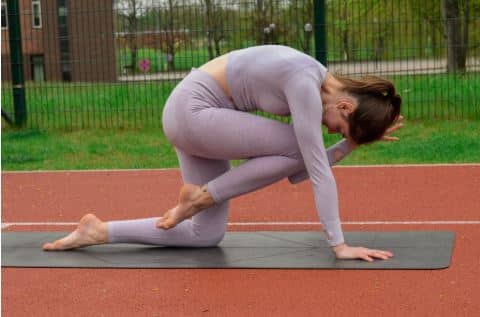
Effective Isometric Core Strength Exercises
Now that you understand the concept of isometric exercises, let’s explore some practical isometric core strength exercises you can incorporate into your fitness routine. You don’t need a gym for these; you only need some floor space!
Plank
The plank is one of the most popular and practical isometric core exercises.
How to Perform:
- Begin in a push-up position with your elbows directly beneath your shoulders.
- Keep your body straight from head to heels, engaging your core muscles.
- Hold this position for as long as possible while maintaining proper form.
Benefits:
- Engages multiple muscle groups, including abs, back, and shoulders.
- Improves stability and balance.
| Duration | Level |
|---|---|
| 15-30 seconds | Beginner |
| 30-60 seconds | Intermediate |
| 60 seconds or more | Advanced |
Side Plank
The side plank targets your obliques, adding further strength to your core.
How to Perform:
- Lie on your side and stack your feet on each other.
- Prop yourself with one elbow, ensuring it’s under your shoulder.
- Raise your hips, creating a straight line from head to foot.
- Hold this position, focusing on your breathing.
Benefits:
- Strengthens the lateral core muscles crucial for stability.
- Improves hip and shoulder strength.
| Duration | Level |
|---|---|
| 15-30 seconds | Beginner |
| 30-60 seconds | Intermediate |
| 60 seconds or more | Advanced |
Dead Bug
This exercise is excellent for engaging the entire core and promoting coordination.
How to Perform:
- Start lying on your back with your arms pointing towards the ceiling and knees bent at 90 degrees.
- Slowly lower your right arm and left leg towards the floor without letting your back arch.
- Return to the starting position and repeat on the opposite side.
Benefits:
- Promotes coordination and control of your core muscles.
- Reduces the risk of lower back strain.
| Repetitions | Level |
|---|---|
| 5-10 per side | Beginner |
| 10-15 per side | Intermediate |
| 15-20 per side | Advanced |
Glute Bridge
This exercise affects not only your core but also your glutes and hamstrings.
How to Perform:
- Lie on your back with your knees bent and feet flat on the floor hip-width apart.
- Press through your heels, lifting your hips towards the ceiling.
- Hold this position, squeezing your glutes tightly.
Benefits:
- Strengthens the glutes while also engaging the core.
- Helps alleviate back pain by promoting better posture.
| Duration | Level |
|---|---|
| 15-30 seconds | Beginner |
| 30-60 seconds | Intermediate |
| 60 seconds or more | Advanced |
Hollow Body Hold
The hollow body hold is a more challenging exercise that strengthens your core.
How to Perform:
- Lie on your back and lift your arms and legs off the ground, forming a hollow shape with your body.
- Keep your lower back pressed into the ground as you hold the position.
Benefits:
- Engages multiple core muscle groups simultaneously.
- Enhances overall core strength and stability.
| Duration | Level |
|---|---|
| 10-30 seconds | Beginner |
| 30-60 seconds | Intermediate |
| 60 seconds or more | Advanced |
Superman Hold
The Superman hold focuses on your lower back while also targeting the core.
How to Perform:
- Lie face down with your arms extended in front of you and legs straight.
- Simultaneously lift your arms, chest, and legs off the ground, holding the position.
Benefits:
- Strengthens the lower back muscles, helping to counteract the effects of prolonged sitting.
- Enhances overall core stability.
| Duration | Level |
|---|---|
| 10-30 seconds | Beginner |
| 30-60 seconds | Intermediate |
| 60 seconds or more | Advanced |
Incorporating Isometric Core Exercises into Your Routine
To make the most out of isometric core exercises, consider the following tips:
Create a Balanced Routine
Integrate a mix of isometric and dynamic movements to ensure you’re developing all areas of strength. For instance, combining planks with traditional crunches or leg raises can yield effective results.
Set Realistic Goals
When starting, it’s crucial to set realistic goals. Aim to hold each position for a specific duration, gradually increasing the time as your strength develops.
Listen to Your Body
Pay attention to how your body responds. If you feel fatigued or your form begins to falter, take a break or reduce the intensity. Preventing overexertion will yield better long-term results.
Frequency
Aim to incorporate core exercises into your routine 2-3 times weekly. Consistency is key to building strength, and your core will appreciate it!
Mix It Up
Variety is essential. Change the exercises regularly to target different areas of your core, preventing boredom and stimulating new muscle growth.
Troubleshooting Common Mistakes
As you integrate isometric exercises into your routine, you may encounter some challenges. Here are a few common mistakes to avoid:
Poor Form
Maintaining proper form during isometric exercises is vital. Please ensure your body is aligned correctly to avoid strain and maximize effectiveness.
Holding Your Breath
It’s easy to hold your breath while concentrating on maintaining a position, but this can cause unnecessary tension. Focus on deep, controlled breathing to engage your core effectively.
Rushing Through Sessions
You can take your time with each position, focusing on quality rather than quantity. It’s better to hold a position correctly for a short duration than to rush through multiple repetitions with poor form.
Tracking Progress
Monitoring your progress will keep you motivated and accountable. Here are some tips on how to do this effectively:
Keep a Workout Journal
Please just document your workouts, noting your exercises, duration or repetitions, and how you feel. This will help you track improvements and keep motivated.
Take Measurements
Consider measuring your waist or taking photos before starting your core routine. Over time, you’ll be able to see the tangible results of your hard work.
Celebrate Milestones
Set milestones for yourself, whether improving your hold time or trying a more advanced variation of an exercise. Celebrate these accomplishments – they’re all part of your journey!

Strengthening your core through isometric exercises offers numerous benefits, including improved performance, enhanced stability, and reduced injury risk. The beauty of isometric training is that its execution is straightforward, allowing you to focus on form and muscle engagement without fancy equipment.
Integrating these isometric core exercises into your routine can lead to remarkable improvements with consistent practice and adherence to proper techniques. So, are you ready to give your core the strength it deserves? Start slow, listen to your body, and watch your core strength blossom over time!
Related Topics About Isometric Core Strength Exercise
Isometric Exercises To Strengthen Core,
What Are Core Strength Exercises,
What Are Isometric Core Exercises