
Best Protein Powder For Six Pack Abs
Have you ever wondered how you can get the most out of your workouts and sculpt those six-pack abs you’ve been dreaming about? One of the most effective ways to support your fitness goals is through the nutrition you choose.
Among the various supplements available, protein powder is a key player. Let’s break down this topic and see how you can select the best protein powder for achieving those coveted abs.
Understanding Protein’s Role in Abs Development
Protein is essential for muscle repair and growth, and if you’re aiming for visible six-pack abs, it becomes even more critical. Your muscles undergo stress and tiny tears when you engage in strength training. Eating sufficient protein helps repair these muscles, leading to growth and strength.
Moreover, protein can aid in fat loss. It helps you feel fuller longer, reducing cravings and the tendency to snack aimlessly. This feature can help you maintain a calorie deficit, leading to weight loss.
Different Types of Protein Powders
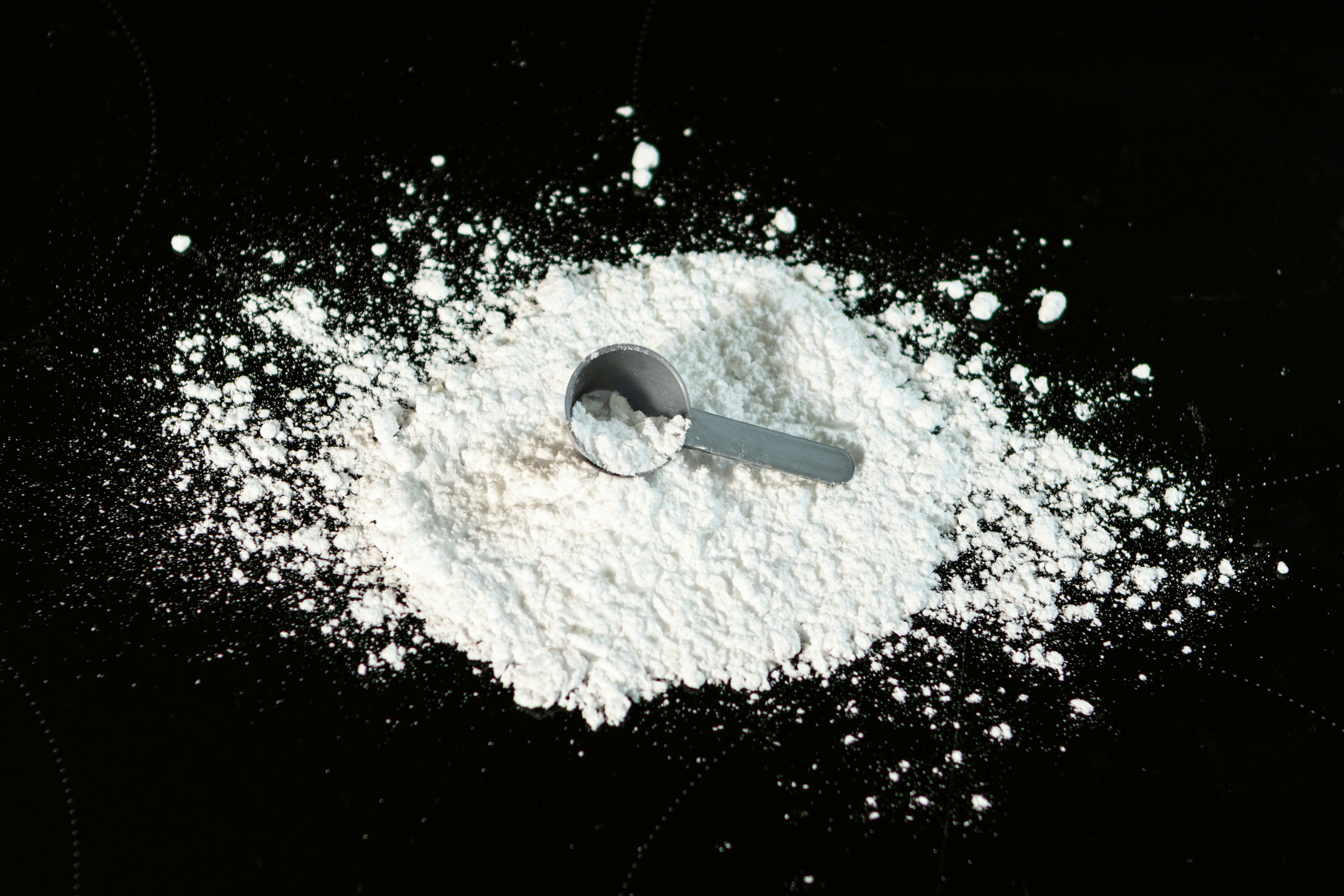
Numerous protein powders are available, and each comes with its benefits. Here’s a closer look at the most common options:
| Protein Type | Source | Benefits |
|---|---|---|
| Whey Protein | Dairy | Quick absorption, ideal for post-workout |
| Casein Protein | Dairy | Slow absorption, excellent for nighttime use |
| Soy Protein | Plant-based | Complete protein source contains all essential amino acids |
| Pea Protein | Plant-based | Easily digestible, suitable for vegans |
| Egg Protein | Eggs | High in nutrients, excellent bioavailability |
By understanding the differences, you can better tailor your protein intake to meet your goals.
Whey Protein: The Fast-Acting Muscle Builder
Whey protein is undoubtedly one of the most popular options among fitness enthusiasts. It is a complete protein containing all the essential amino acids necessary for muscle repair and growth.
The allure of whey lies in its rapid absorption; it enters your bloodstream quickly, making it perfect for post-workout shakes. It’s also been shown to significantly support strength and muscle gains when combined with regular exercise.
Pros and Cons of Whey Protein
- Pros: Quick absorption, high protein content, beneficial for muscle recovery.
- Cons: Not suitable for those with lactose intolerance or dairy allergies.
Casein Protein: The Slow-Digesting Powerhouse
While whey is fast-acting, casein protein is the opposite. It digests slowly, releasing amino acids steadily into your bloodstream over several hours. This characteristic makes casein an excellent choice for nighttime consumption, offering prolonged support to your muscles while you sleep.
Pros and Cons of Casein Protein
- Pros: Sustained release of protein, ideal for overnight recovery.
- Cons: Also derived from dairy, which may not be suitable for everyone.

Plant-Based Protein Powders: A Growing Trend
Plant-based protein powders are a fantastic option if you prefer a vegan approach or have dairy sensitivities. Soy and pea protein are popular choices.
- Soy protein is a complete source, which is rare in plant-based proteins. It can help in muscle recovery and growth.
- Pea protein is easily digestible and allergen-free, making it another great alternative.
Pros and Cons of Plant-Based Protein Powders
- Pros: Suitable for vegans, lactose-free, easier on digestion.
- Cons: Some plant proteins may not provide a complete amino acid profile.
Egg Protein: The Nutrient-Dense Choice
Egg protein is another excellent choice, mainly because it comes from the white of the egg. This offers high-quality protein without the fat found in the yolk. It boasts an excellent amino acid profile and is absorbed moderately.
Pros and Cons of Egg Protein
- Pros: Rich in essential nutrients, high bioavailability.
- Cons: Not suitable for vegans or those with egg allergies.
How to Choose the Right Protein Powder for You
Selecting the right protein powder can be overwhelming, given the variety of options. Here are a few tips to help you make an informed decision:
- Determine Your Dietary Restrictions: If you’re lactose intolerant, avoid whey and casein. If you’re vegan, opt for plant-based proteins.
- Consider Your Goals: Whey might be your best bet if you’re focused on post-workout recovery. On the other hand, if you’re looking for a nighttime protein source, consider casein.
- Please take a look at the Ingredients: Pay attention to additional ingredients. The best protein powders have minimal additives and sweeteners.
- Please check for Third-Party Testing: You can just opt for protein powders that have undergone third-party testing. This ensures that what’s on the label is accurate and that the product is free from harmful substances.
How Much Protein Do You Need?
Finding the right amount of protein can be confusing, but here’s a straightforward guideline. The general recommendation for muscle growth and repair is around 1.6 to 2.2 grams of protein per kilogram of body weight.
For someone weighing 70 kg (around 154 lbs), that translates to approximately:
- Minimum: 112 grams
- Maximum: 154 grams
For optimal results, it’s important to distribute this protein intake throughout the day, particularly around workouts.
Timing Your Protein Intake
Post-workout is often considered an essential time for protein intake because your muscles need it for recovery. However, consuming protein regularly throughout the day is crucial for building muscle and burning fat.
The key moments include:
- Breakfast: Kickstart your day with protein.
- Pre-Workout: Fuel your body for exercise.
- Post-Workout: Repair those muscles post-training.
- Before Bed: Support overnight recovery by consuming casein or other slow-digesting proteins.
Sample Protein-Packed Meals and Shakes
Let’s include a few meals and shake ideas that integrate protein powder effectively into your diet.
| Meal or Shake | Ingredients | Protein Content Approximation |
|---|---|---|
| Morning Smoothie | One scoop whey protein, banana, spinach, almond milk | 25 grams |
| Post-Workout Shake | One scoop casein, 1 tbsp peanut butter, oats | 30 grams |
| Vegan Protein Bowl | Quinoa, black beans, one scoop pea protein | 22 grams |
| Nighttime Snack | Greek yogurt, one scoop casein protein, berries | 30 grams |
Incorporating these meals can help you meet your protein requirements effortlessly.
The Role of Diet in Achieving Six-Pack Abs
While protein powder is a fantastic ally, it’s crucial to remember that no supplement can replace a well-rounded diet. Combine your protein intake with a balanced diet rich in whole foods to achieve six-pack abs.
Incorporate plenty of vegetables, fruits, healthy fats, and carbohydrates. Aim for whole grains, lean meats, and ample hydration. Tracking your caloric intake can also help you maintain or lose weight.
The Importance of Regular Exercise
Protein, alone, will not give you those six-pack abs. A structured workout routine focused on strength training and cardiovascular exercise is vital. Here are a few exercise strategies to consider:
- Core Workouts: To strengthen your abdominal muscles, incorporate targeted exercises like planks, leg raises, and Russian twists.
- Strength Training: Building overall muscle mass through exercises like squats, deadlifts, and bench presses will enhance your metabolism.
- Cardio: Engage in regular cardio activities, such as running, cycling, or swimming, to help burn fat and reveal those abs.
Common Myths About Protein Powders
As you journey toward getting six-pack abs, you might encounter several myths about protein powders. Let’s clear some of these up:
- Myth 1: Protein powders will make you bulky.
Truth: Protein aids muscle growth but won’t bulk you up unless you consume excessive calories paired with rigorous strength training. - Myth 2: You should only take protein powder after workouts.
Truth: While post-workout intake is essential, it’s equally important to spread your protein intake throughout the day. - Myth 3: All protein powders are created equal.
Truth: Quality varies, and choosing protein powders that fit your dietary needs and goals is crucial.
Potential Side Effects of Protein Powders
While protein powders are safe for most people, you should be aware of potential side effects:
- Digestive Issues: Some individuals may experience bloating or gas, especially with dairy-based proteins.
- Kidney Strain: Very high protein intake might strain your kidneys if you have pre-existing conditions.
- Nutrient Imbalance: Relying too heavily on protein powders could lead to deficiencies in other nutrients, particularly if whole foods are neglected.
How to Properly Use Protein Powder
To maximize the benefits of your chosen protein powder, consider these tips:
- Mix it with liquids like water, milk, or plant-based milk for added nutrition.
- Add fruits and veggies to your shakes for a nutrient boost.
- Store protein powder correctly to maintain its freshness and potency.
Achieving six-pack abs is a combination of proper nutrition, including choosing the right protein powder and consistent exercise. By understanding the types of protein powders available, their benefits, how much protein you need, and how to incorporate them into your diet best, you’re better equipped to meet your fitness goals.
So, whether you opt for whey, casein, plant-based, or egg protein, remember: it’s not just about the protein—the whole picture matters. Embrace a balanced diet and a solid workout routine, and you’ll be well on your way to showing off those abs!
Related Topics About Best Protein Powder For Six Pack Abs
Best Protein Powder For 6 Pack Abs