
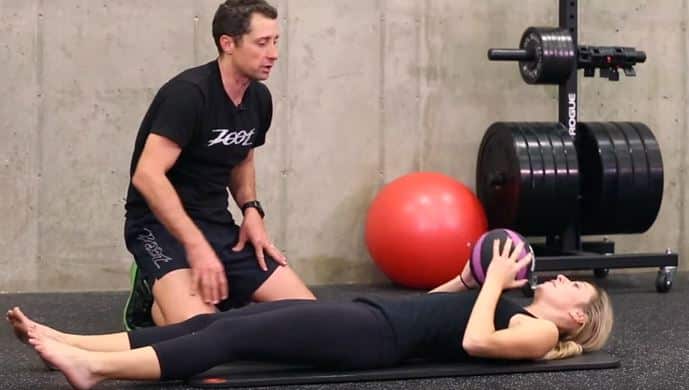
Core Training for Athletes
As an athlete, you understand that core strength is not just a buzzword but a fundamental aspect of your overall performance. Your core is the central link between your upper and lower body, crucial in stabilizing your movements. Whether you are sprinting down the field, swinging a racket, or executing a perfect dive, a strong core allows you to maintain balance and control.
This stability is essential for executing complex movements efficiently and effectively, which can ultimately make the difference between winning and losing. Moreover, core strength is vital for enhancing your endurance and power. When your core is strong, it can better support your spine and pelvis, allowing for more efficient energy transfer during physical activities.
This means you can generate more force with less effort, improving performance in your chosen sport. As you continue to train and push your limits, neglecting your core can lead to imbalances and weaknesses that may hinder your progress. Therefore, prioritizing core strength is beneficial and essential for any athlete aiming to reach their peak potential.

Key Takeaways
- Core strength is crucial for athletes, providing stability, balance, and power for optimal performance.
- Core training can improve athletic performance by enhancing agility, speed, and strength.
- Key core muscles for athletes include the rectus abdominis, obliques, transverse abdominis, and erector spinae.
- Effective core training exercises for athletes include planks, Russian twists, and stability ball exercises.
- Incorporating core training into athletic workouts can be done through circuit training, interval training, and functional movements.
Benefits of Core Training for Athletic Performance
Core training offers many benefits that can significantly enhance your athletic performance. One of the most notable advantages is improved stability and balance. A well-developed core allows you to maintain proper posture and alignment during dynamic movements, reducing the risk of falls or missteps.
This stability is crucial in sports that require quick changes in direction or sudden bursts of speed, as it enables you to react swiftly without losing control. In addition to stability, core training can also increase power output. When your core muscles are strong, they can effectively transfer energy from your lower body to your upper body and vice versa.
This energy transfer is crucial for explosive movements such as jumping, throwing, or sprinting. Incorporating core training into your routine can enhance your ability to generate force, resulting in improved performance metrics like speed and agility. Ultimately, the benefits of core training extend beyond mere aesthetics; they directly contribute to your success as an athlete.
Key Core Muscles for Athletes

Understanding the key muscles involved is essential to fully appreciating the importance of core strength. The core is not limited to just the abdominal muscles; it encompasses a complex network of muscles that work together to provide stability and support. The rectus abdominis, commonly known as the “six-pack,” plays a significant role in flexing the spine and stabilizing the pelvis.
However, the deeper muscles, such as the transverse abdominis and multifidus, are crucial for maintaining spinal stability during movement. Additionally, the obliques—both internal and external—are vital for rotational movements and lateral stability. These muscles help you maintain balance, like swinging a bat or pivoting on the court.
The erector spinae, which runs along your spine, also contributes to maintaining an upright posture and supporting your back during various athletic activities. By strengthening these key muscle groups, you can create a solid foundation that enhances your overall athletic performance.
Core Training Exercises for Athletes
Incorporating practical core training exercises into your routine is essential for developing strength and stability. Planks are one of the most popular exercises for building core strength, as they engage multiple muscle groups simultaneously. By holding a plank position, you activate not only your abdominal muscles but also your shoulders, back, and glutes.
Variations such as side planks or plank rotations can further challenge your stability and engage different areas of your core. Another excellent exercise is the medicine ball Russian twist. This dynamic movement targets the obliques while also improving rotational strength.
Sitting on the ground with your knees bent and leaning back slightly, you can twist your torso from side to side while holding a medicine ball. This exercise mimics the rotational movements often required in tennis or baseball, making it particularly beneficial for athletes. Incorporating various exercises into your core training routine will ensure you develop a well-rounded core that supports all aspects of your athletic performance.
Incorporating Core Training into Athletic Workouts
To maximize the benefits of core training, it is essential to integrate it seamlessly into your overall workout regimen. One practical approach is to include core exercises at the beginning or end of your training sessions. This ensures that your core muscles are adequately warmed up and ready to engage during more intense workouts.
Alternatively, you can incorporate core exercises into your warm-up routine to activate these muscles before diving into sport-specific drills. Another strategy is to combine core training with other strength exercises. For instance, performing squats or deadlifts emphasizing maintaining proper core engagement can simultaneously enhance your strength and stability.
This integrated approach saves time and reinforces the connection between your core and other muscle groups, improving overall performance. Please remember that consistency is key; for optimal results, you should aim to include core training in your workouts at least two to three times per week.
Core Training for Injury Prevention in Athletes
The Importance of Core Stability
For example, when running or jumping, a strong core can help absorb impact forces more effectively, reducing the likelihood of injuries such as sprains or strains.
Addressing Muscle Imbalances
Additionally, many common athletic injuries stem from muscle imbalances or weaknesses in the core region. By prioritizing core training, you can address these imbalances and create a more resilient body capable of withstanding the demands of your sport. Incorporating exercises that promote flexibility and mobility alongside strength training will further enhance your injury-prevention efforts.
Enhancing Performance and Prevention
Investing time in core training improves performance and safeguards your body against potential setbacks.
Core Training for Specific Sports
Different sports require unique movements and demands on the body, making it essential to tailor your core training accordingly. For instance, focusing on exercises that enhance pelvic stability and hip strength will be beneficial if you are a runner. Incorporating movements like single-leg deadlifts or lateral band walks can help improve your running form and efficiency.
On the other hand, athletes involved in sports that require rotational power—such as golf or baseball—should prioritize exercises that target the obliques and rotational strength. Medicine ball throws or cable woodchoppers are excellent choices for developing this type of power. By customizing your core training program based on your sport’s specific requirements, you can ensure that you are building the necessary strength and stability to excel in your chosen discipline.
Nutrition and Recovery for Effective Core Training
While core training is vital for enhancing athletic performance, it is equally important to consider nutrition and recovery as part of your overall strategy. Proper nutrition fuels your workouts and aids muscle recovery after intense training sessions. A balanced diet of protein, healthy fats, and complex carbohydrates will provide the necessary nutrients to support muscle growth and repair.
Additionally, prioritizing recovery techniques such as stretching, foam rolling, and adequate sleep will enhance the effectiveness of your core training efforts. Allowing time for recovery helps prevent overtraining and reduces the risk of injury, ensuring you remain at peak performance levels throughout your athletic endeavors. Combining practical core training with proper nutrition and recovery strategies can create a comprehensive approach that maximizes your potential as an athlete.
Developing core strength is an essential component of athletic performance that must be considered. Understanding its importance and incorporating targeted exercises into your training regimen while prioritizing nutrition and recovery can enhance your performance and overall well-being as an athlete. Embrace the journey of building a strong core; it will undoubtedly pay dividends in all aspects of your athletic pursuits.
If you’re an athlete looking to enhance your core training routine, consider incorporating spirulina into your diet. Spirulina is a nutrient-rich superfood that can benefit athletes, including improved endurance and muscle recovery. To learn more about the benefits of spirulina for athletes, check out this article on how-togetsixpackabs.com.
FAQs
What is core training for athletes?
Core training for athletes involves exercises and workouts targeting the core muscles, including the abdominals, obliques, lower back, and hips. These exercises improve stability, strength, and power for athletic performance.
Why is core training necessary for athletes?
Core training is essential for athletes because a strong and stable core is essential for optimal athletic performance. It helps improve balance, coordination, and overall body control, crucial for running, jumping, throwing, and changing direction.
What are some examples of core training exercises for athletes?
Core training exercises for athletes include planks, Russian twists, medicine ball throws, stability ball exercises, and various types of crunches and leg raises. These exercises can be performed using body weight, resistance bands, or free weights.
How often should athletes incorporate core training into their workout routine?
Athletes should aim to incorporate core training into their workout routine at least 2-3 times per week. Rest and recovery between core training sessions are essential to prevent overtraining and injury.
Can core training help prevent injuries in athletes?
Yes, core training can help prevent injuries in athletes by improving overall body stability and reducing the risk of imbalances and weaknesses in the core muscles. A strong core can also help athletes maintain proper form and technique during sports activities, reducing the risk of injury.
The Importance of Core Training for Athletes
Core training is an essential component of any athlete’s workout routine. The core muscles, including the rectus abdominis obliques and lower back muscles, provide stability, balance, and power during athletic movements. Whether you’re a sprinter, a basketball player, or a weightlifter, having a strong core can significantly enhance your performance and reduce your risk of injury.
Benefits of Core Training for Athletes
There are numerous benefits to incorporating core training into your workout routine –
- Improved balance and stability
- Enhanced power and explosiveness
- Reduced risk of injury
- Better posture and alignment
- Increased athletic performance
By strengthening your core muscles, you can improve your overall athletic performance and reduce the likelihood of developing imbalances or compensations that can lead to injury.
Core Training Exercises for Athletes
There are a variety of core exercises that athletes can incorporate into their training routine. Some practical core exercises include –
- Planks
- Russian twists
- Medicine ball throws
- Leg raises
- Dead bugs
These exercises target the core musculature and can be easily modified to suit your fitness level and goals. Proper form and technique are essential to maximize their effectiveness.
Programming Core Training into Your Workout Routine
When incorporating core training into your workout routine, it’s essential to consider the following factors –
- Frequency – Aim to include core exercises in your routine at least 2 3 times per week.
- Volume – Perform 2 4 sets of each exercise focusing on quality over quantity.
- Intensity – Gradually increase the difficulty of your core exercises as you progress in strength and stability.
- Rest – Allow your core muscles to rest and recover between training sessions to prevent overtraining.
It’s also important to remember that core training is just one component of a well-rounded workout routine. To maintain overall strength and balance, include exercises that also target other muscle groups.
Putting It All Together
Core training is an essential component of any athlete’s workout routine. Incorporating core exercises into your training regimen can improve your balance, stability, and power, ultimately enhancing your athletic performance and reducing your risk of injury.
Remember to perform core exercises with proper form and technique and gradually increase the difficulty of your workouts to continue challenging your core muscles. With consistency and dedication, you’ll soon see the benefits of a strong and stable core in your athletic endeavors.
Related Topics About Core Training for Athletes
Basic Training In Athletics,
Basic Training Of Athletics,
Basic Training Of Athletics And Swimming,
Core Exercises For Athletes At Home,
Core Exercises For High School Athletes,
Core Exercises For Wheelchair Athletes,
Core Training For Young Athletes,
Core Workout For Track Athletes,
Does Core Help With Running,
How Athletes Recover From Training,
How To Train For An Athletic Body,
Importance Of Core Strength For Athletes,
What Athletes Use Continuous Training,
What Sports Require A Strong Core,
What Sports Require Core Strength,
What Workouts Are Good For Your Core