
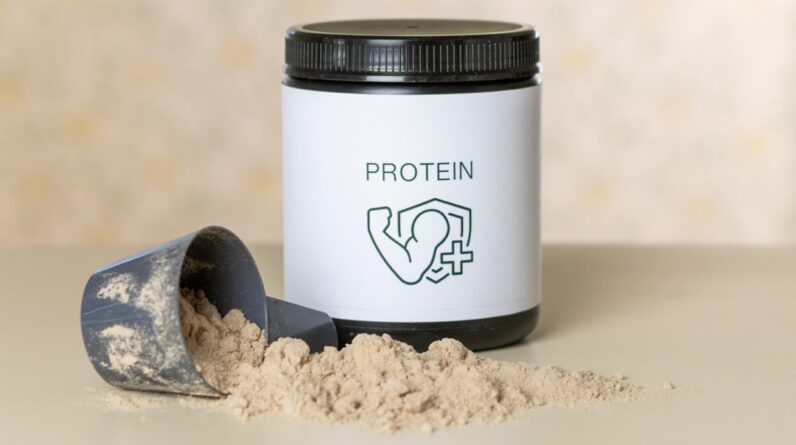
This is your guide to unlocking those coveted visible abs through the power of a high-protein diet. You’re here because you want to see the definition you’ve been working for, and you’re ready to understand how nutrition plays a starring role. You’re not just looking for a temporary fix; you’re aiming for sustainable results, and that’s exactly what this listicle will deliver. You’re going to learn why protein is your abs’ best friend, how to fuel your body effectively, and what delicious, protein-packed meals will get you closer to your goal with every bite.
Let’s dive into the science and the strategy that will transform your physique. You’re in the driver’s seat of your nutrition, and by the end of this, you’ll have the knowledge and the actionable steps to make your high-protein diet work for visible abs.
1. Understanding Why Protein is Your Ab Definition’s Secret Weapon
You’re probably hearing a lot about protein, and for good reason. It’s not just about building big muscles; it’s crucial for revealing the toned physique you desire, especially your abdominal muscles. Think of protein as the cornerstone of your body’s construction project.
The Muscle-Building Blocks You Need
- Amino Acid Power: Protein is made up of amino acids, which are the fundamental building blocks of all your body’s tissues, including muscle. When you consume protein, your body breaks it down into these essential amino acids. They are then used to repair and rebuild muscle fibers that have been broken down during your workouts. For visible abs, this means maintaining and even growing lean muscle mass in your core. More lean muscle increases your resting metabolism, meaning you burn more calories even when you’re not exercising, which is key for reducing body fat.
- Muscle Preservation During Fat Loss: This is where protein truly shines when you’re aiming for visible abs. When you reduce your calorie intake to lose fat, your body can sometimes break down muscle tissue for energy. A high-protein diet acts as a powerful defense against this. By providing your body with ample protein, you signal that there are plenty of building blocks available, so it’s less likely to cannibalize your hard-earned muscle. This ensures that as you shed fat, your underlying muscle definition remains intact and becomes more prominent.
The Satiety Factor: Keeping Cravings at Bay
- Feeling Fuller for Longer: One of the biggest challenges in achieving visible abs is managing your appetite and avoiding unhealthy snacking. Protein is significantly more satiating than carbohydrates or fats. This means that when you eat protein, you feel fuller for a longer period. This effect is due to several mechanisms, including its role in hormone regulation related to hunger and fullness, and the fact that protein takes longer to digest.
- Reducing Caloric Intake Naturally: Because protein keeps you feeling full, you’re naturally less likely to overeat at subsequent meals or reach for high-calorie, low-nutrient snacks. This can lead to a spontaneous reduction in your overall caloric intake without the feeling of deprivation that often accompanies restrictive diets. This is a sustainable strategy for fat loss, which is essential for revealing those abs that are hiding beneath a layer of body fat.
- Stabilizing Blood Sugar Levels: Protein has a minimal impact on your blood sugar levels compared to refined carbohydrates. When your blood sugar spikes and then crashes, you can experience energy dips and intense cravings, particularly for sugary foods. By incorporating protein into your meals, you help stabilize your blood sugar, leading to more consistent energy levels and fewer cravings, making it easier to stick to your healthy eating plan.
The Metabolic Boost: Burning More Calories
- Thermic Effect of Food (TEF): Every type of macronutrient requires energy for your body to digest, absorb, and metabolize. This is known as the thermic effect of food, or TEF. Protein has the highest TEF of the three macronutrients. This means your body burns more calories simply by digesting protein compared to digesting carbohydrates or fats. This subtle but consistent calorie expenditure contributes to your overall daily energy balance and can aid in fat loss, bringing those abs into focus.
- Increased Resting Metabolic Rate: As mentioned earlier, building and maintaining lean muscle mass through adequate protein intake directly increases your resting metabolic rate (RMR). Your RMR is the number of calories your body burns at rest to perform basic life-sustaining functions. The more lean muscle you have, the higher your RMR, meaning you burn more calories throughout the day, even when you’re sleeping or watching TV. This is a powerful ally in your quest for visible abs.
For those interested in achieving visible abs, a high protein diet can play a crucial role in fat loss and muscle definition. To further explore effective strategies for getting a six-pack, you may find the article on how to get a 6-pack in a week particularly insightful. It provides a comprehensive guide that complements the benefits of a high protein diet, offering tips on workouts and nutrition that can accelerate your journey to defined abs.
2. Calculating Your Protein Needs for Peak Definition
You’re not going to stumble into your protein goals; you need a plan. Calculating your specific protein needs ensures you’re providing your body with exactly what it requires to build muscle and shed fat effectively. This isn’t a one-size-fits-all situation.
Establishing Your Baseline: Body Weight and Activity Level
- The General Recommendation: A common starting point for active individuals aiming for body composition changes is around 0.7 to 1 gram of protein per pound of body weight. For those with a very high activity level or in a significant calorie deficit, you might lean towards the higher end of this range, and sometimes even slightly above.
- Example Calculation: Let’s say you weigh 150 pounds and you’re actively training for abs. You might aim for 1 gram of protein per pound of body weight, which would be 150 grams of protein per day. If you’re currently at 120 pounds but want to build muscle for better definition, you might calculate based on your target weight or a slightly higher current weight to support muscle growth.
- Considering Body Fat Percentage: If you have a higher body fat percentage, you might calculate your protein needs based on your lean body mass rather than your total body weight. This ensures you’re not overconsuming protein based on the weight of fat, which doesn’t require protein for its maintenance or growth in the same way muscle does. You can estimate lean body mass by subtracting your body fat weight from your total body weight. For instance, if you weigh 150 pounds and have 30% body fat, your fat weight is 45 pounds (150 * 0.30), and your lean body mass is 105 pounds (150 – 45). You would then aim for 0.7 to 1 gram of protein per pound of lean body mass (e.g., 74 to 105 grams).
Adjusting for Your Goals: Fat Loss vs. Muscle Gain
- Prioritizing Fat Loss: If your primary goal is to shed fat to reveal your abs, you’ll likely be in a calorie deficit. In this scenario, it’s crucial to maintain a higher protein intake (closer to 1 gram per pound of body weight or lean body mass). This helps preserve muscle mass during calorie restriction. You want to lose fat, not muscle.
- Focusing on Muscle Gain (for definition): If you’re looking to build more lean muscle to create a more defined “etched” look, you might also aim for a high protein intake. While some might suggest a slightly lower protein percentage in a calorie surplus for muscle gain, for visible abs, you still need ample protein to support muscle hypertrophy, and you’ll focus on a clean calorie surplus to minimize fat gain. The key is that the surplus is small and focused on protein.
- Your Training Intensity Matters: The more intense and frequent your workouts, the greater your protein needs are for muscle repair and growth. If you’re doing heavy lifting and consistent ab-specific training, you’ll be at the higher end of the protein recommendations.
Tracking Your Intake: Tools and Techniques
- Utilize Nutrition Tracking Apps: There are numerous excellent mobile applications and websites designed to help you track your daily food intake. These apps have vast databases of foods, allowing you to log your meals and snacks and see your macronutrient breakdown, including your total protein consumption. This is perhaps the most effective way to ensure you’re hitting your target.
- Food Scales for Accuracy: For precise tracking, especially with protein-rich foods like meats, poultry, and fish, using a kitchen food scale is invaluable. It helps you accurately measure portion sizes, ensuring you’re consuming the correct amount of protein from each serving.
- Manual Journaling (Traditional Approach): If you prefer a more analog method, a simple notebook can work. You’ll need to be diligent about estimating portion sizes and looking up the protein content of your foods using online resources or nutrition labels. This method requires more effort but can be very effective if you’re consistent.
- Pre-Portioned Meals: Planning and preparing your meals in advance can simplify tracking. Once you’ve calculated the protein content of your regular meals, you can prepare them in batches, making it easy to grab and log.
3. Top Protein Sources for Your Abs-Sculpting Diet
You’re now armed with the “why” and the “how much.” Let’s talk about the delicious “what.” Selecting the right protein sources will fuel your body effectively and make your high-protein journey enjoyable and sustainable.
Lean Animal Proteins: The Foundation of Your Diet
- Chicken Breast and Turkey Breast: These are your lean protein powerhouses. They are incredibly versatile, low in fat, and packed with high-quality protein. You can grill, bake, stir-fry, or shred them for a variety of meals. They are staples for a reason – they work.
- Lean Beef (Sirloin, Tenderloin): Don’t shy away from beef entirely. Opt for leaner cuts like sirloin or tenderloin, which provide excellent protein and essential nutrients like iron. Enjoy them in moderation for delicious and satisfying meals.
- Fish (Salmon, Tuna, Cod): Fatty fish like salmon are rich in omega-3 fatty acids, which have anti-inflammatory benefits that can aid recovery. Leaner fish like cod and tilapia are excellent low-fat protein sources. Canned tuna in water is a convenient and budget-friendly option.
- Eggs (Whole and Whites): Eggs are a complete protein source, meaning they contain all nine essential amino acids. The yolk contains healthy fats and nutrients, while the egg whites are almost pure protein. You can enjoy them scrambled, boiled, poached, or in omelets.
Plant-Based Protein Stars: For Variety and Fiber
- Legumes (Lentils, Beans, Chickpeas): These are nutritional powerhouses, offering a good amount of protein, complex carbohydrates, and fiber. They are incredibly versatile and can be used in soups, stews, salads, and dips.
- Tofu and Tempeh: Made from soybeans, tofu and tempeh are excellent plant-based protein options. They are incredibly adaptable to different flavors and cooking methods, making them a great addition to stir-fries, curries, and salads. Tempeh, being fermented, offers additional digestive benefits.
- Edamame: These young soybeans are a convenient and tasty snack or addition to meals. They provide a good dose of protein and fiber.
- Quinoa: Often mistaken for a grain, quinoa is actually a seed and a complete protein source, which is rare for plant-based foods. It’s a great base for salads, bowls, and side dishes.
- Nuts and Seeds (in moderation): While higher in fat, nuts and seeds like almonds, walnuts, chia seeds, and flaxseeds offer a decent amount of protein, healthy fats, and fiber. They are best consumed in smaller portions as snacks or additions to meals.
Dairy and Dairy Alternatives: Versatile Options
- Greek Yogurt: This is a protein-packed superstar. It’s thicker and more nutrient-dense than regular yogurt, with significantly more protein. It’s perfect for breakfast, snacks, or even as a base for savory dips.
- Cottage Cheese: Another dairy delight, cottage cheese is a fantastic source of casein protein, which is slow-digesting and provides a sustained release of amino acids. It’s great for a pre-bedtime snack to support overnight muscle repair.
- Whey Protein Powder: A highly popular supplement, whey protein is a fast-digesting protein derived from milk. It’s ideal for post-workout recovery but can also be used in smoothies or shakes to boost your daily protein intake.
- Plant-Based Protein Powders: For those who prefer or need to avoid dairy, there are excellent plant-based protein powders made from sources like pea, brown rice, hemp, or a blend of these.
4. Meal Planning and Timing for Optimal Ab Visibility
You’ve got the protein sources. Now, let’s talk about how to organize them throughout your day to maximize your results. Smart meal planning and strategic timing can significantly impact your journey to visible abs.
Structuring Your Day: Consistent Protein Intake
- Distribute Protein Evenly: Aim to spread your protein intake across all your meals and snacks throughout the day. This strategy helps maintain a steady supply of amino acids for muscle repair and growth and can contribute to sustained satiety. Eating all your protein in one or two large meals might not be as effective for muscle protein synthesis or appetite control.
- Aim for 20-30 Grams Per Meal: A good target for most of your main meals is to include 20-30 grams of high-quality protein. This amount is generally considered optimal for stimulating muscle protein synthesis without overwhelming your digestive system.
- Strategic Protein Snacks: Don’t underestimate the power of protein-rich snacks. They can help you bridge the gap between meals, prevent excessive hunger, and keep your metabolism humming. Think Greek yogurt, a handful of almonds, a hard-boiled egg, or a small protein shake.
Pre- and Post-Workout Nutrition: Fueling Your Efforts
- Pre-Workout Fuel (Optional but beneficial): While not strictly necessary for everyone, a small protein-rich snack or meal 1-2 hours before your workout can provide your body with readily available amino acids for energy and muscle support during your training session. Consider a small portion of chicken breast with some vegetables, or a protein shake with a small amount of complex carbohydrates.
- The Anabolic Window (It’s nuanced): The concept of a strict “anabolic window”—a short 30-60 minute period after training where you must consume protein for muscle growth—is largely overblown. However, consuming a protein-rich meal or shake within a few hours post-workout is still beneficial.
- Post-Workout Recovery: Your post-workout meal or shake should focus on readily digestible protein to initiate muscle repair and reduce muscle soreness. Combining it with some carbohydrates can help replenish glycogen stores, which is important for energy and recovery. A whey protein shake with some fruit is a classic and effective choice.
Hydration: The Unsung Hero of Ab Definition
- Water for Metabolism and Digestion: You can’t talk about nutrition without talking about water. Water is essential for countless bodily functions, including regulating body temperature, transporting nutrients, and lubricating joints. It’s also crucial for metabolism and digestion. Dehydration can negatively impact your energy levels and overall performance.
- Appetite Control: Sometimes, thirst can be mistaken for hunger. Staying well-hydrated can help you manage your appetite and prevent unnecessary snacking.
- Flush Out Waste Products: Proper hydration helps your kidneys function efficiently, flushing out waste products and toxins from your body. This contributes to overall health and can indirectly support your fat loss goals.
- Aim for Consistency: Don’t wait until you’re thirsty to drink. Sip water consistently throughout the day. Carry a reusable water bottle with you as a constant reminder. Your urine color is a good indicator; it should be pale yellow.
Sample Meal Plan Framework (You’ll customize this!)
- Breakfast: Scrambled eggs with spinach and a side of berries, or Greek yogurt with nuts and seeds.
- Mid-Morning Snack: Cottage cheese with a few almonds, or a small protein bar (check the protein content and sugar).
- Lunch: Grilled chicken breast salad with mixed greens, vegetables, and a light vinaigrette, or a lentil soup with whole-grain bread.
- Afternoon Snack: Hard-boiled eggs, or a small protein shake.
- Dinner: Baked salmon with roasted broccoli and quinoa, or lean ground turkey stir-fry with mixed vegetables.
- Evening Snack (Optional): Casein protein shake or a small serving of Greek yogurt (if truly hungry and not just craving).
A high protein diet can be a game changer for those looking to achieve visible abs, as it helps in muscle building and fat loss. To complement this dietary approach, staying properly hydrated is equally important for optimal performance and recovery. For more insights on how hydration impacts your fitness journey, you can check out this informative article on recommended daily water intake. By understanding the balance between protein consumption and hydration, you can enhance your results and work towards your fitness goals more effectively.
5. Beyond Protein: Complementary Lifestyle Factors for Visible Abs
You’re doing great by focusing on protein. But remember, visible abs are the result of a holistic approach. Protein is your engine, but you need the right environment and supporting systems to see those results.
The Crucial Role of Calorie Deficit for Fat Loss
- Revealing What You Build: No matter how much protein you consume or how strong your core muscles are, they won’t be visible if they’re covered by a layer of body fat. To reveal your abs, you need to be in a calorie deficit. This means you’re consuming fewer calories than your body expends.
- Sustainable Deficit: A healthy and sustainable calorie deficit is typically around 250-500 calories below your daily maintenance needs. This allows for gradual fat loss without sacrificing muscle mass or energy levels. Drastic deficits can lead to muscle loss and metabolic slowdown.
- Protein Helps Preserve Muscle in a Deficit: As discussed, your high-protein intake is your best defense against losing muscle when you’re in a calorie deficit. It ensures that your body prioritizes burning fat for energy.
Strength Training: Building and Sculpting Your Core
- Direct Abdominal Exercises: While compound movements (squats, deadlifts, overhead presses) engage your core, dedicated ab exercises are essential for building specific abdominal muscle strength and aesthetics. Think:
- Crunches and Bicycle Crunches: Classic moves that target the rectus abdominis.
- Leg Raises and Hanging Leg Raises: Excellent for the lower abdominal region.
- Planks and Side Planks: Develop isometric strength and endurance in your entire core.
- Russian Twists: Target the obliques.
- Overall Strength for Metabolism: Incorporating full-body strength training sessions throughout the week is vital. Building lean muscle mass across your entire body increases your resting metabolic rate, meaning you burn more calories 24/7. This contributes significantly to the overall fat loss required for visible abs.
Cardiovascular Exercise: Enhancing Fat Burning
- Calorie Expenditure: Cardio is an effective tool for burning additional calories and contributing to your calorie deficit. Whether it’s running, cycling, swimming, or high-intensity interval training (HIIT), find a form of cardio you enjoy and can stick with.
- HIIT for Efficiency: High-intensity interval training, in particular, can be very effective for fat burning in a shorter amount of time. It involves short bursts of intense exercise followed by brief recovery periods.
- Balance is Key: While cardio is important for fat loss, don’t overdo it to the detriment of your strength training. A balance between the two is crucial for optimal body composition results. You don’t want to burn through all your muscle-building fuel with excessive cardio.
Sleep and Stress Management: The Often-Overlooked Pillars
- Sleep for Recovery and Hormones: Adequate sleep (7-9 hours per night) is critical for muscle repair and recovery. During sleep, your body releases growth hormone, which plays a role in muscle building and fat metabolism. Lack of sleep can also disrupt hormones that regulate appetite, leading to increased cravings for unhealthy foods. This directly impacts your ability to maintain your high-protein diet and calorie deficit.
- Stress and Cortisol: Chronic stress increases cortisol levels, a hormone that can promote fat storage, particularly around the abdomen, and can also lead to muscle breakdown. Finding healthy ways to manage stress, such as meditation, yoga, deep breathing exercises, or spending time in nature, is paramount.
- Consistency is King: You’re building a lifestyle, not just following a diet. The habits you form around your protein intake, training, sleep, and stress management will determine your long-term success. You’re setting yourself up for sustained results.
You’ve got the blueprint. You understand the science behind protein, you know how to calculate your needs, you’ve got the food list, and you’ve got the strategy. Now it’s time to implement. You are capable of achieving visible abs through a smart, high-protein approach. Take this knowledge and make it your reality, one delicious and protein-packed meal at a time.
FAQs
What is a high protein diet?
A high protein diet is a diet that emphasizes the consumption of protein-rich foods such as lean meats, poultry, fish, eggs, dairy products, legumes, and nuts. This type of diet typically involves reducing the intake of carbohydrates and fats in favor of increasing protein intake.
How does a high protein diet help in achieving visible abs?
A high protein diet can help in achieving visible abs by promoting muscle growth and repair. Protein is essential for building and maintaining lean muscle mass, which can contribute to a more defined and toned appearance in the abdominal area. Additionally, protein can help control appetite and support weight management, which can also contribute to a leaner physique.
What are some examples of high protein foods?
Some examples of high protein foods include chicken breast, turkey, lean beef, fish, eggs, Greek yogurt, cottage cheese, tofu, lentils, chickpeas, and quinoa. These foods are rich in protein and can be incorporated into a high protein diet to support muscle growth and overall health.
Are there any potential risks or drawbacks to a high protein diet?
While a high protein diet can have benefits for muscle growth and weight management, it is important to consume a balanced diet that includes a variety of nutrients. Consuming too much protein can put strain on the kidneys and may lead to dehydration. Additionally, excessive intake of red and processed meats has been linked to an increased risk of certain health conditions, so it’s important to choose lean protein sources and balance protein intake with other essential nutrients.
Is a high protein diet suitable for everyone?
A high protein diet may not be suitable for everyone, especially those with certain medical conditions such as kidney disease. It’s important to consult with a healthcare professional or a registered dietitian before making significant changes to your diet, especially if you have any underlying health concerns.