
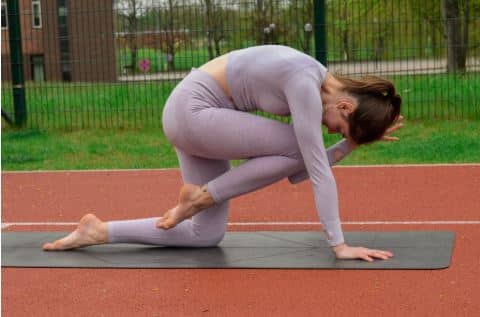
Yoga for Core Strength
When you think about your core, you might picture a six-pack or a toned abdomen. However, the core is much more than just the muscles you can see. It encompasses a complex network of muscles, including the abdominal muscles and the obliques, lower back, pelvic floor, and diaphragm.
This intricate system stabilizes your body, supports your spine, and facilitates movement. Understanding the core’s anatomy is essential for anyone looking to enhance their physical performance or improve their overall well-being. Your core acts as the body’s powerhouse, providing stability and strength for nearly every movement you make.
Whether lifting weights, running, or sitting at your desk, a strong core is vital for maintaining proper posture and preventing injuries. By recognizing the importance of your core, you can begin to appreciate how it influences your daily activities and overall health. Strengthening this area enhances your physical capabilities and contributes to better balance and coordination, making it an essential focus in any fitness regimen.

Key Takeaways
- Understanding the Core: The core is more than just the abs; it includes the back, hips, and pelvic floor muscles.
- Benefits of Core Strength: A strong core can improve posture, balance, and stability and reduce the risk of injury.
- Yoga Poses for Core Strength: Plank, boat pose, and side plank are effective yoga poses for building core strength.
- Breathing Techniques for Core Strength: Engaging the diaphragm and practicing deep belly breathing can enhance core strength.
- Incorporating Core Strength into Your Yoga Practice: To build strength and stability, focus on engaging the core in every yoga pose.
Benefits of Core Strength
Building core strength offers a multitude of benefits that extend far beyond aesthetics. A strong core improves your posture, alleviating back pain and reducing the risk of injury during physical activities. When your core muscles are engaged, they support your spine, allowing you to maintain proper alignment whether you’re standing, sitting, or moving.
This support is critical as you age, as it helps to counteract the natural decline in muscle mass and strength. Moreover, a well-developed core enhances athletic performance. Whether you’re a runner, a cyclist, or a dancer, having a strong core allows for more efficient movement and greater power output.
Core strength allows you to generate force from your center, improving speed and agility. Additionally, core strength is essential for activities that require balance and coordination, such as yoga or martial arts. Focusing on your core can unlock new performance levels in your chosen sport or activity.
Yoga Poses for Core Strength

Incorporating specific yoga poses into your routine can significantly enhance your core strength. Poses like Plank, Boat Pose, and Side Plank are excellent for targeting the abdominal muscles and building stability. The Plank pose engages your abs, shoulders, and back, creating a full-body workout emphasizing core engagement.
As you hold this position, focus on drawing your belly button toward your spine to activate those deep core muscles. Boat Pose is another powerful asana that challenges your balance while strengthening your core. As you lift your legs and torso off the ground, you’ll feel the burn in your abdominal muscles.
This pose not only builds strength but also improves concentration and mental focus. The Side Plank adds an additional layer of challenge by requiring you to stabilize your body while balancing on one arm. These poses can lead to noticeable improvements in core strength and overall stability when practiced regularly.
Breathing Techniques for Core Strength
Breathing techniques play a vital role in enhancing core strength during yoga practice. One effective method is diaphragmatic breathing, which involves engaging the diaphragm fully while inhaling deeply through the nose and exhaling through the mouth. This technique promotes relaxation and activates the deep abdominal muscles that support your core.
As you breathe deeply, visualize expanding your ribcage and filling your abdomen with air, allowing your core to engage naturally. Another beneficial technique is Ujjayi breath, often called “ocean breath.” This method involves slightly constricting the back of your throat while breathing in and out through the nose, creating a soft sound reminiscent of ocean waves. Ujjayi’s breath helps maintain focus and control during challenging poses while also providing stability to the core.
Incorporating these breathing techniques into your practice can enhance your connection to your core and improve overall strength.
Incorporating Core Strength into Your Yoga Practice
To effectively incorporate core strength into your yoga practice, it’s essential to be intentional about engaging these muscles throughout each pose. You can start by focusing on your core at the beginning of your session. As you move through various asanas, consciously draw in your abdominal muscles and maintain that engagement even in poses that may not seem directly related to the core.
Also, could you consider sequencing your practice to include poses explicitly targeting the core interspersed with other asanas? For example, after performing a series of standing poses, transition into a few core-focused poses like Boat Pose or Plank before returning to standing postures. This approach keeps your practice dynamic and reinforces the importance of core engagement throughout your entire routine.
Tips for Building Core Strength through Yoga

Building core strength through yoga requires consistency and mindfulness. One practical tip is starting with foundational poses emphasizing stability and control before progressing to more advanced variations. For instance, mastering the basic Plank pose will provide a solid foundation for later exploring the Side Plank or Forearm Plank.
To maximize effectiveness, maintain proper alignment and engage your core throughout each pose. Another helpful strategy is incorporating props such as blocks or straps into your practice. These tools can assist in achieving proper alignment and provide additional support as you work on building strength.
For example, using a block under your hands in Downward Dog can help you maintain a strong connection to your core while allowing for deeper engagement in other areas of the body. Remember that building core strength takes time; be patient and celebrate small victories.
Common Mistakes to Avoid in Yoga for Core Strength
As you embark on your journey to strengthen your core through yoga, you must be aware of common mistakes that can hinder progress or lead to injury. One frequent error that needs to be addressed is proper alignment during poses. Misalignment can place unnecessary strain on the back and other body areas instead of effectively engaging the core.
Always prioritize alignment over depth; it’s better to hold a modified version of a pose correctly than to push yourself into a more profound variation without proper form. Another mistake is holding your breath or breathing shallowly during challenging poses. Remember that breath is integral to yoga; it helps maintain focus and supports muscle engagement.
If you hold your breath during a challenging pose, step back and focus on breathing deeply and steadily instead. This will not only enhance your performance but also help you stay present in the moment.
Taking Your Core Strength Beyond the Mat
Once you’ve developed a strong core through yoga practice, it’s time to take that strength beyond the mat and into everyday life. One way to do this is by incorporating core engagement into daily activities such as walking, sitting at a desk, or lifting objects. For instance, when sitting at a desk, consciously engage your abdominal muscles to support good posture and prevent slouching.
Also, consider integrating other forms of exercise that complement your yoga practice and further challenge your core strength. Activities like Pilates or functional training can provide variety while continuing to build on the foundation you’ve established through yoga. Applying what you’ve learned about core engagement in different contexts will enhance your physical capabilities and cultivate a greater sense of body awareness and control in all aspects of life.
Understanding and strengthening your core is essential for overall health and well-being. You can build a strong foundation supporting physical performance and daily activities by incorporating targeted yoga poses, breathing techniques, and mindful practices into your routine. Remember to be patient with yourself as you progress on this journey; with dedication and consistency, you’ll reap the rewards of a powerful core that enhances every aspect of your life.
If you want to enhance your core strength through yoga, you may also be interested in learning how to get six-pack abs. This article provides tips and exercises to help you achieve a toned and defined midsection. Could you check it out here?
FAQs
What is yoga for core strength?
Yoga for core strength refers to a series of yoga poses and exercises designed to strengthen the abdomen, lower back, and pelvis muscles. These exercises help improve stability, balance, and overall strength in the body’s core area.
What are the benefits of yoga for core strength?
Practicing yoga for core strength can help improve posture, reduce the risk of back pain, enhance athletic performance, and increase overall body strength. It also helps improve balance and stability, which can benefit everyday activities.
What are some yoga poses for core strength?
Some yoga poses beneficial for core strength include plank pose, boat pose, side plank pose, and downward-facing dog. These poses engage the abdominal muscles, lower back, and pelvic floor, helping to build strength and stability in the core.
Is yoga for core strength suitable for beginners?
Yes, yoga for core strength can be modified to suit beginners. It is essential for beginners to start with basic poses and gradually progress to more challenging ones as their strength and flexibility improve.
How often should one practice yoga for core strength?
It is recommended that core strength yoga be practiced at least 2-3 times per week to see noticeable improvements in strength and stability. Consistency is key, so regular practice is essential for achieving desired results.
The Importance of Core Strength in Yoga
Core strength is the foundation of a strong and stable yoga practice. It is the key to maintaining proper alignment, improving balance, and preventing injury. When discussing core strength in yoga, we refer to the abdomen, lower back, and pelvis muscles. These muscles work together to support the spine and stabilize our yoga poses.
Benefits of Yoga for Core Strength
Yoga is a great way to strengthen your core muscles mindfully and holistically. Here are some of the key benefits of incorporating yoga into your core strengthening routine –
- Improves posture – Strong core muscles help to support the spine and improve overall posture
- Enhances balance – A strong core is essential for maintaining balance in yoga poses and everyday activities
- Prevents injury – Strengthening the core can help prevent injuries, especially in the lower back
- Increases stability – Core strength is essential for stability in challenging yoga poses
Yoga Poses for Core Strength
There are many yoga poses that target the core muscles and help to build strength and stability. Here are a few key poses to incorporate into your practice –
- Plank Pose – This pose strengthens the entire core as well as the arms and shoulders
- Boat Pose – Boat pose targets the abdominals and helps to improve core strength
- Side Plank – Side plank is excellent for targeting the obliques and improving overall core stability
- Downward Dog – Downward dog engages the core and helps to build strength in the arms and shoulders
Practicing Yoga for Core Strength
Engaging the core muscles throughout your practice is essential when practicing yoga for core strength. Here are some tips to help you build core strength in your yoga practice –
- Focus on your breath – Use your breath to engage the core muscles and create stability in your poses
- Engage the pelvic floor – Squeeze the pelvic floor muscles to activate the deep core muscles
- Keep the core engaged – Maintain core engagement in all poses even if they are not specifically targeting the core
- Listen to your body – Pay attention to how your body feels in each pose and make adjustments as needed
Building core strength is essential for a strong and stable yoga practice. Incorporating yoga poses that target the core muscles can help improve posture, enhance balance, and prevent injury. By engaging the core muscles in your practice and practicing regularly, you can build strength and stability in your core and improve your overall yoga practice.
Related Topics About Yoga for Core Strength
Best Type Of Yoga For Core Strength,
Best Yoga Exercises For Core Strength,
Chair Yoga For Core Strength,
Chair Yoga For Core Strength For Seniors,
Easy Yoga For Core Strength,
Is Yoga Good For Building Core Strength,
Standing Yoga Poses For Core Strength,
Strength Core And Yoga For Golfers,
Yoga Adriene Core Strength Ritual,
Yoga Asanas For Core Strength,
Yoga For Abs And Core Strength,
Yoga For Core And Back Strength,
Yoga For Core Strength And Balance,
Yoga For Core Strength And Flexibility,
Yoga For Core Strength Kassandra,
Yoga For Core Strength Men,
Yoga Or Pilates For Core Strength,
Yoga Poses For Core Strength,
Yoga Sequence For Core Strength,
Yoga To Strengthen Core Muscles